Iran just handed Trump a ceasefire roadmap hours after his annihilation threat
6 days ago · 25 September 2026Share
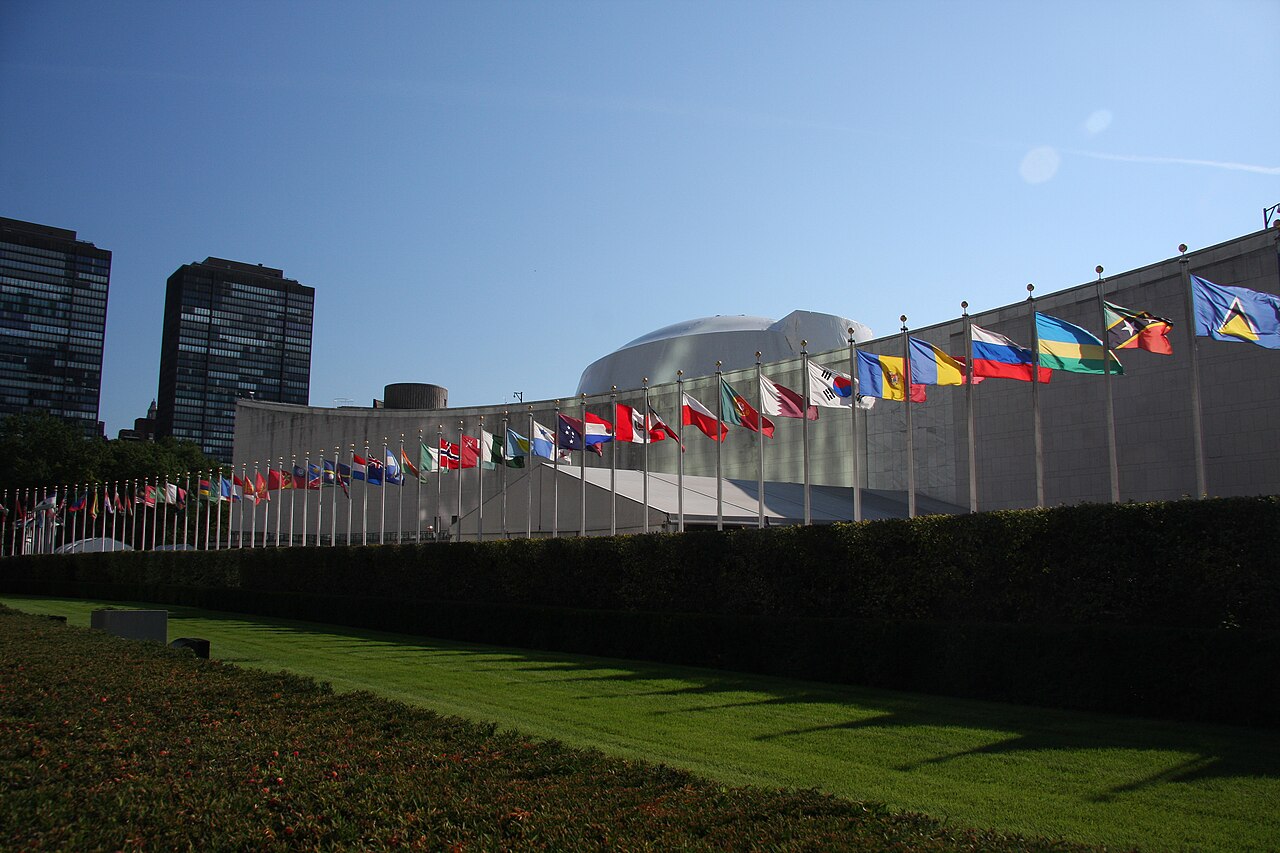
A row of national flags on tall poles in front of the United Nations General Assembly building in New York. Yerpo · CC BY-SA 3.0
Iran has just handed Washington a detailed roadmap to end the war.
This is hours after Donald Trump stood at the UN and said he has to decide whether to "annihilate" the country.
So what's in it? A region-wide ceasefire lasting up to 60 days. A reopening of the Strait of Hormuz done in stages. And a timetable for wider talks to end the conflict.
Regional sources briefed on the plan say there's more. A halt to Iranian attacks on its Arab neighbours too.
Where did this come from? Talks two days ago in New York, mediated by Qatar, Pakistan and Egypt. They started with a meeting between Abbas Araghchi, Iran's Foreign Minister, and two of Donald Trump's special envoys, Steve Witkoff and Jared Kushner.
Now the timing. This roadmap landed less than a day after Donald Trump told the UN General Assembly he must choose. Let Iran make a deal and rebuild. Or decide to wipe out the Islamic Republic entirely. He also said any deal would likely only happen after November's US midterm elections.
Iran's president, Masoud Pezeshkian, spoke at the same assembly. And in public, he was defiant. He said Iran will never bow its head or bend its knee. He also said Iran is ready for dialogue and negotiations, just not on the language of force. The US delegation walked out the moment he started speaking.
So in public, defiance. In private, a document with numbers and dates on it.
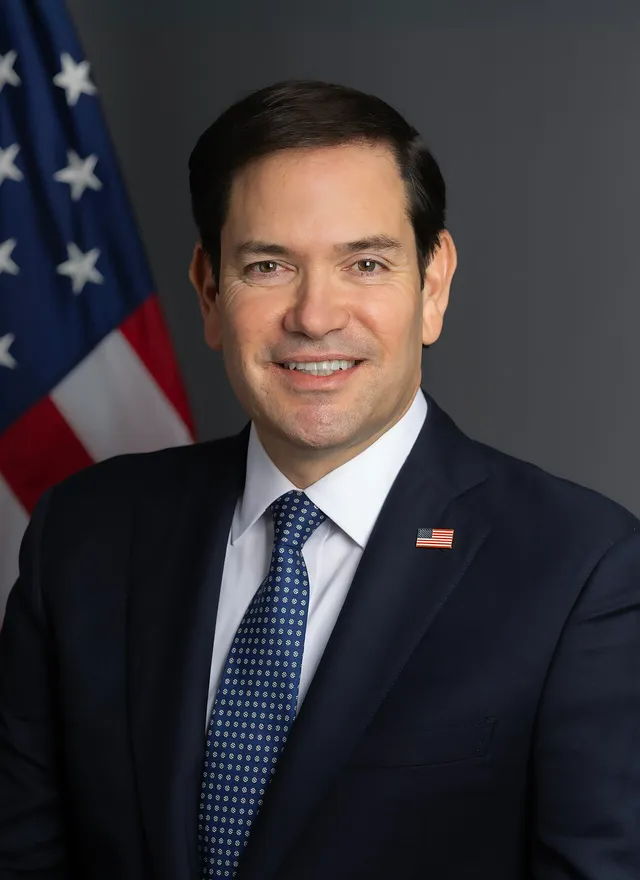
Marco Rubio, the US Secretary of State, says Washington remains open to diplomacy. But military options stay on the table. He says the goal is simple: Iran can never have a nuclear weapon. And he dismissed Pezeshkian's UN remarks, saying he didn't know what standing Iran had to lecture anyone on human rights when it violates them so often.
Donald Trump has ruled out lifting the US naval blockade of Iranian ports before Iran shows what he calls sufficient goodwill. No US official has confirmed accepting Iran's staged approach to Hormuz. Nobody in Washington has responded publicly to the roadmap's specific terms.
Here's why you should be careful with this. Iran has offered something like it before.
The rest of this story is for members.
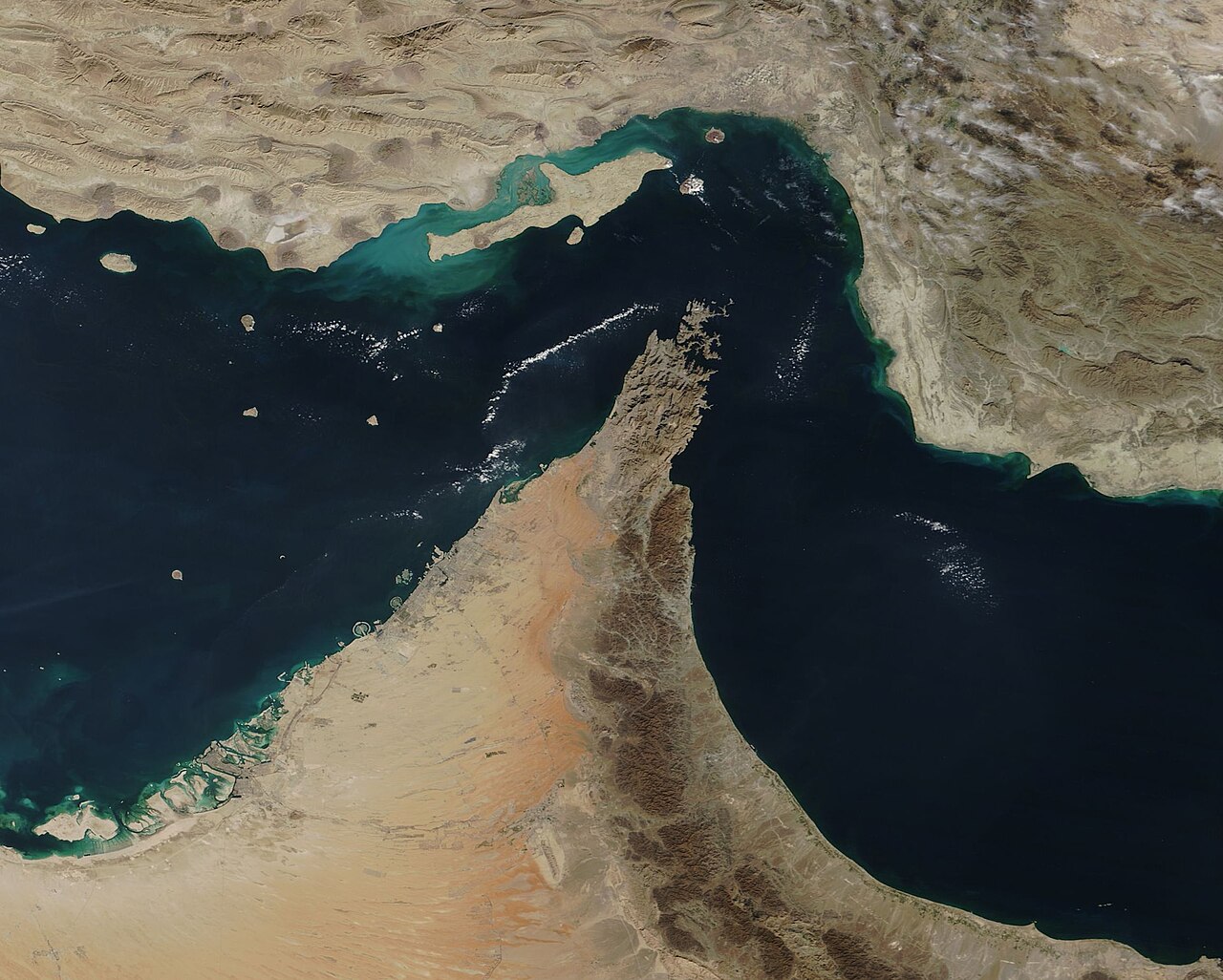
The Strait of Hormuz, shown from above with the Musandam Peninsula and surrounding coasts, where Iran and Oman meet at this critical shipping passage. File photo. MODIS Land Rapid Response Team, NASA GSFC · Public domain
A senior Iranian official said Iran could reopen the Strait of Hormuz within seven days, if the US eased military pressure and lifted its blockade. That offer was reportedly delivered to Washington through mediators about a week earlier. It was said to have been approved by Iran's Supreme Leader and its National Security Council.
But here's the thing. Iranian state-affiliated media denied Tehran had ever made that offer. Even while unnamed Iranian officials were the ones giving the claim to Reuters and Kyodo.
That's Iran's own state media contradicting its own anonymous officials. On this exact subject. Within the same week.
And this would not be the first ceasefire to collapse either. A ceasefire agreement was signed on 17 June this year. It was meant to start a 60-day period of peace talks and reopen the Strait of Hormuz. It fell apart within weeks, after Iran struck three commercial vessels that had bypassed its own approved shipping route.
So where did this war even start? The US and Israel launched strikes aimed at regime change in Iran on 28 February this year. Iran hit back at US bases, Israel and Arab states, and shut the Strait of Hormuz.
A UN Human Rights Council report, published about a week ago, found grounds to believe the US committed war crimes in strikes on an Iranian school and a residential area back in February. And Iran's Revolutionary Guard has warned it would respond with different weapons and on a wider front if the US strikes again.
After the talks, Steve Witkoff wrote online that he'd held lengthy discussions with the Iranian delegation through the mediators, and said he hoped this round would prove constructive. Donald Trump himself called the talks productive, and said there was momentum towards a possible agreement.
No agreement to end the war has been announced. The New York channel is still preliminary.
And a lot is still unknown. Will Washington accept the staged approach to Hormuz? Would a wider regional ceasefire even cover Lebanon and the Israel-Hezbollah front? Does Iran want the naval blockade lifted before it carries out its side of the roadmap, or after?
But here's the pattern that is clear. Iran proposes, in private. Trump threatens, in public. And so far, every previous round of this has ended the same way. The shooting starts again before the talking finishes.
Nothing here was paid for by an advertiser. Members are the entire business model. Bronze is where it starts, and it opens the last seven days in full.