Iran just built a radar network on Yemen's captured coast
19 September 2026 · 19 September 2026Share
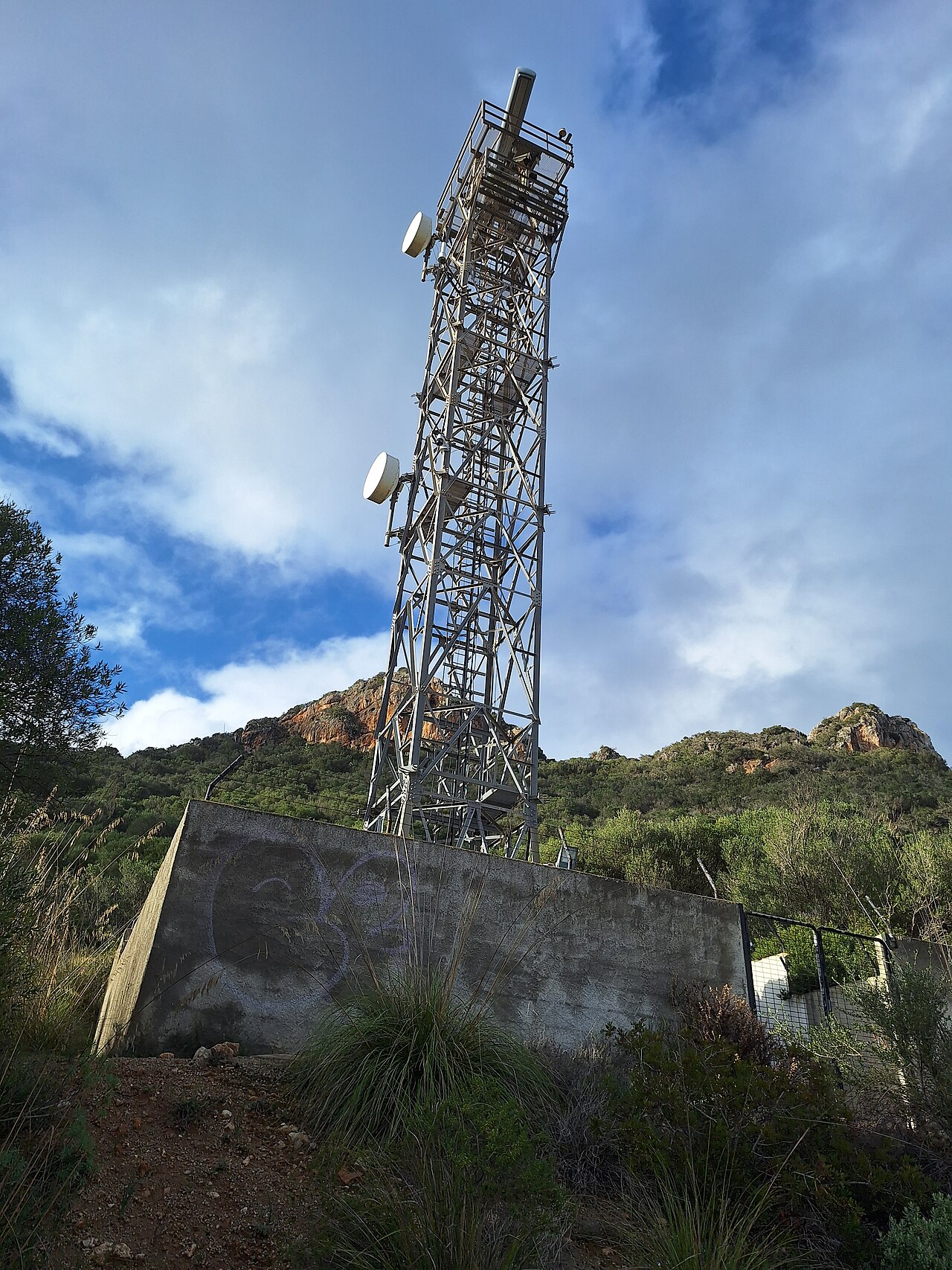
A radar station consisting of a steel lattice tower equipped with parabolic and microwave antennas mounted on a concrete base. File photo. Steffen Mokosch · CC BY-SA 4.0
Iran just captured Yemen's coast without firing a shot.
Well, not Iran exactly. The Houthis did the fighting. But Iran is the one moving in behind them.
Here's what's happening. The Houthis seized Yemen's Red Sea coast nine days ago. Mokha port. The Bab al-Mandab strait. Perim island, sitting right in the middle of that strait.
And now security sources say Iranian teams have put radar systems up on the high ground along that same coast.
That's from Al-Ain, a UAE outlet, relayed by the Jerusalem Post about nine hours ago. And a second, separate report from Yemen Online, citing Yemeni military contacts, backs up the radar and the Iranian visits too.
So two outlets. Two sources. Same basic picture.
Both reports say four Iranian Revolutionary Guard experts toured Mokha's port and airport, and the Bab al-Mandab area, right after the Houthis took over. They met engineers from the Houthi missile force.
Radar has gone up on high ground on the coast. Activity has also been seen on Zuqar island, further out in the Red Sea. Nobody has said what type of radar it is.
Now, here's a detail that comes from one place only. Al-Ain says the coastal strip is also being used to smuggle military equipment in from Somalia. It names a man called Hassan Al-Attas, who it says runs the Fisheries Authority in the Red Sea from Hodeidah, as the one overseeing the shipments once they land. It says he runs a smuggling network linked to a man named Ibrahim Hassan Ismail Al-Madani.
That's Al-Ain alone. Nobody else has confirmed it.
But this isn't the first sign Iran was involved in the Houthi advance.
Reuters reported around the time of the offensive that the Revolutionary Guard's Quds Force, through an officer called Abdolreza Shahlaei, guided and armed the whole push up the coast. CNN reported hundreds of Revolutionary Guard troops are stationed in Yemen right now, backing Houthi operations aimed at shutting the Bab al-Mandab strait to shipping.
The rest of this story is for Silver and Gold members.
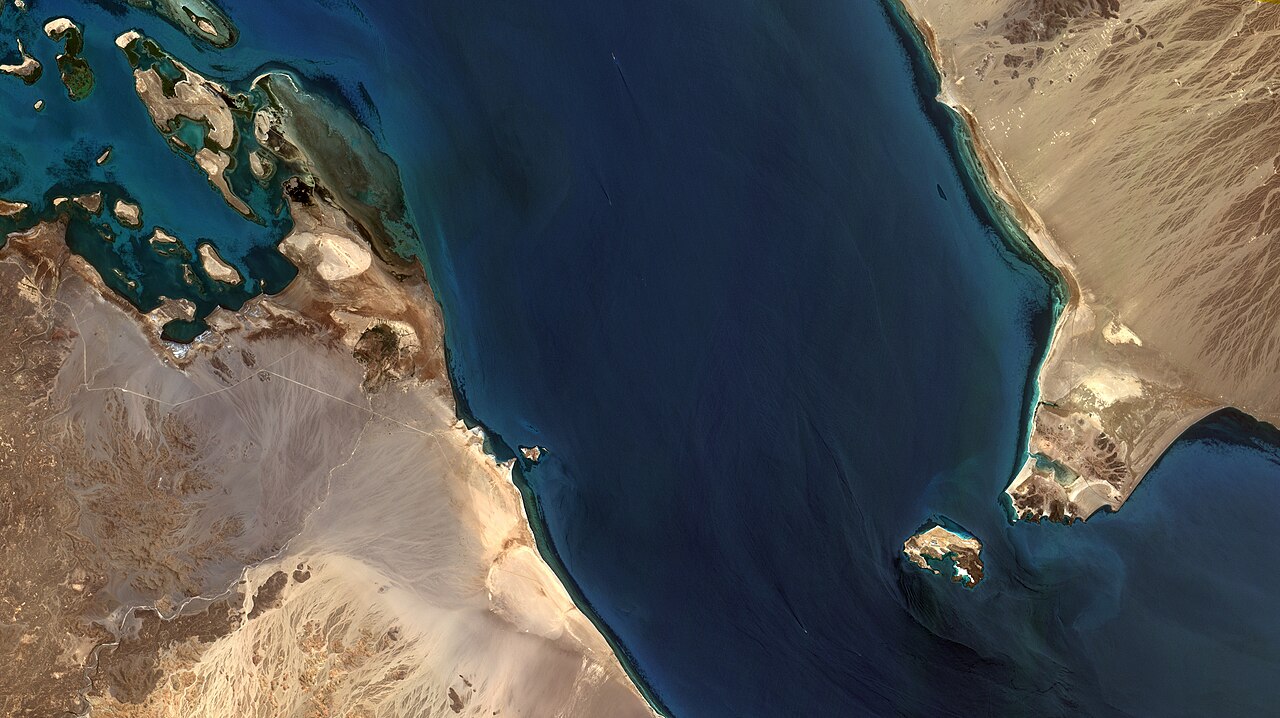
Bab al-Mandab Strait, located between Yemen on the Arabian Peninsula and Djibouti and Eritrea in the Horn of Africa, connecting the Red Sea to the Gulf of Aden. File photo. Coordenação-Geral de Observação da Terra/INPE · CC BY-SA 2.0
And Yemen's Interior Minister has gone even further than that.
Major General Ibrahim Haidan told Asharq Al-Awsat two days ago that Iran is trying to militarise Bab al-Mandab, the same way it militarised the Strait of Hormuz. He says Revolutionary Guard experts are helping the Houthis build fortifications, command posts, and facilities for missiles, drones and remote-controlled boats.
So why does any of this matter outside Yemen?
Because the Houthis controlling that strait gives Iran leverage. Experts told TIME that the more grip the Houthis have on Bab al-Mandab, the harder it gets for ships to find another way through if Iran shuts the Strait of Hormuz. And Iran has been restricting movement through Hormuz since its war with America and Israel started in February.
Two chokepoints. One country with growing influence over both.
Iran's government says none of this is happening. Esmaeil Baqaei, the spokesperson for Iran's Foreign Ministry, said five days ago that Iran does not interfere in Yemeni affairs. He called the Houthis entirely independent actors who make their own decisions based on their own interests.
That sits awkwardly next to what regional reports are describing. Iranian teams touring captured territory. Meetings with Houthi commanders. Radar going up within days of the takeover.
A lot is still unclear. Nobody has said what kind of radar this is. Nobody has explained how equipment is reaching the coast past the American navy stationed off Iran. It is not known if this is a one-off follow-up to the offensive, or the start of something longer. And it is not known whether Iran plans to send its own advisers to the front line, rather than just visiting it.
But the timing tells you something.
Iran is doing all this in the same window it has been sending its terms for ending the wider war to the United States, through Qatar.
Taking ground on the Yemeni coast while talking peace somewhere else. That's not a contradiction. That can be the same strategy, played on two boards at once.
Nothing here was paid for by an advertiser. Members are the entire business model. This story is Silver's: it opens everything we have ever written, and our investigations first.