Ethiopia's former enemies just united against Abiy Ahmed and three airports have already fallen
5 days ago · 26 September 2026Share
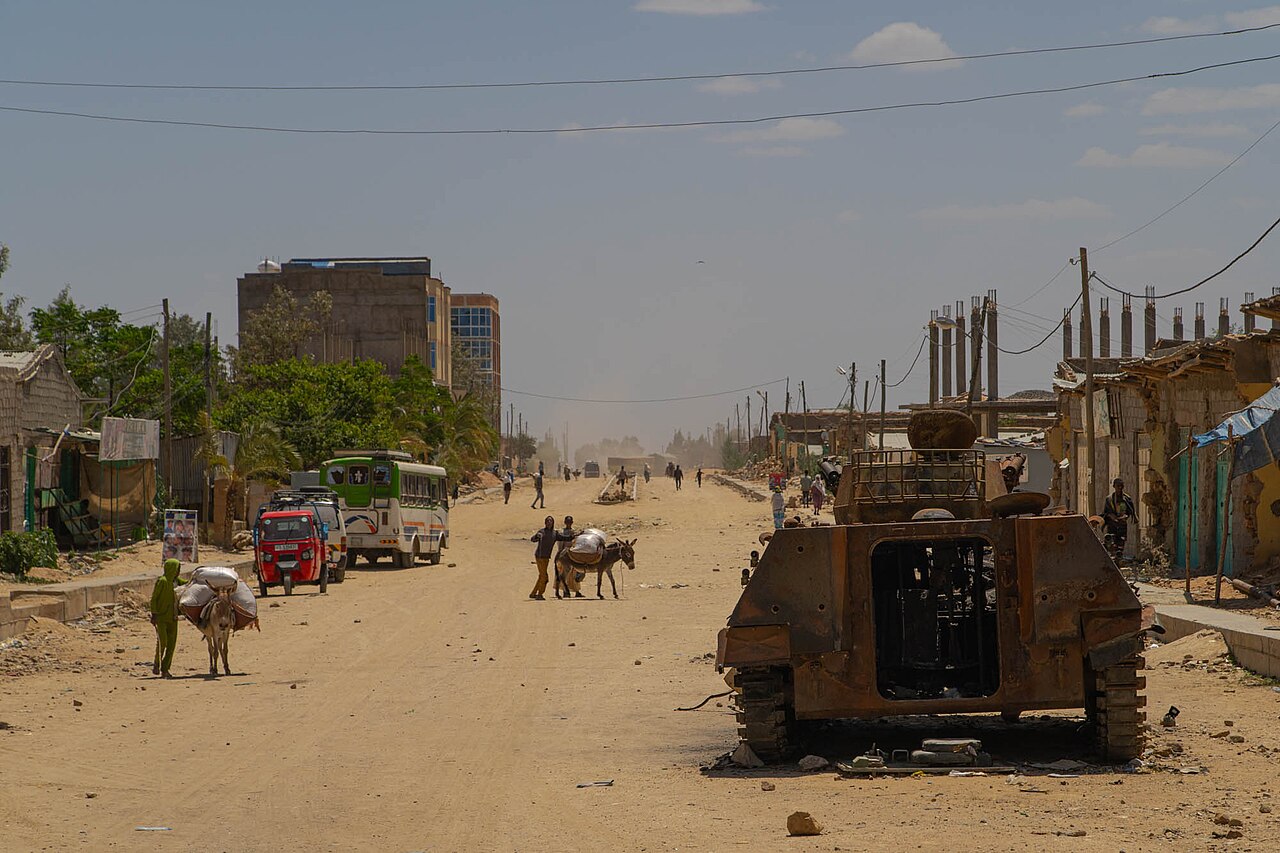
A destroyed armored vehicle in one of the main streets of Hawzen on 6 June 2021. File photo. Yan Boechat/VOA · Public domain
Seven armed groups spent two years fighting each other and the Ethiopian government.
Now they've teamed up against that same government.
And fighting between them and federal troops is already spreading across three regions.
So who are we talking about? The Ethiopian Peoples' Forces Alliance for Survival. It was announced six days ago.
Its biggest members: the TPLF, which led Tigray's fight against the federal government last time round. The Amhara Fano National Movement, which fought on the government's side back then. And the Oromo Liberation Army. Smaller groups from Ethiopia's Somali, Afar and Benishangul-Gumuz regions have joined too.
Their goal, they say, is simple. Remove Prime Minister Abiy Ahmed. Install a transitional government instead.
Three days ago, Tigrayan forces made their move. They seized three airports — Mekelle, Axum and Shire. Ethiopian Airlines cancelled every flight to the region. Fighting broke out in Afar and Amhara too.
Then, two days ago, the internet and phones went dark across Tigray. Reports say the TPLF gave the order, telling the private operator Safaricom and the state-owned Ethio Telecom to cut access. The web monitor NetBlocks confirmed the disruption.
Here's why this matters so much. The last time these groups fought, around 600,000 people died. That war ran from 2020 to 2022. It ended with the Pretoria peace agreement, signed in November 2022 between the federal government and the TPLF.
But Eritrea and the Amhara forces weren't in that deal. Both had fought alongside the federal army against the TPLF. Both later fell out with Abiy Ahmed's government anyway.
The rest of this story is for members.
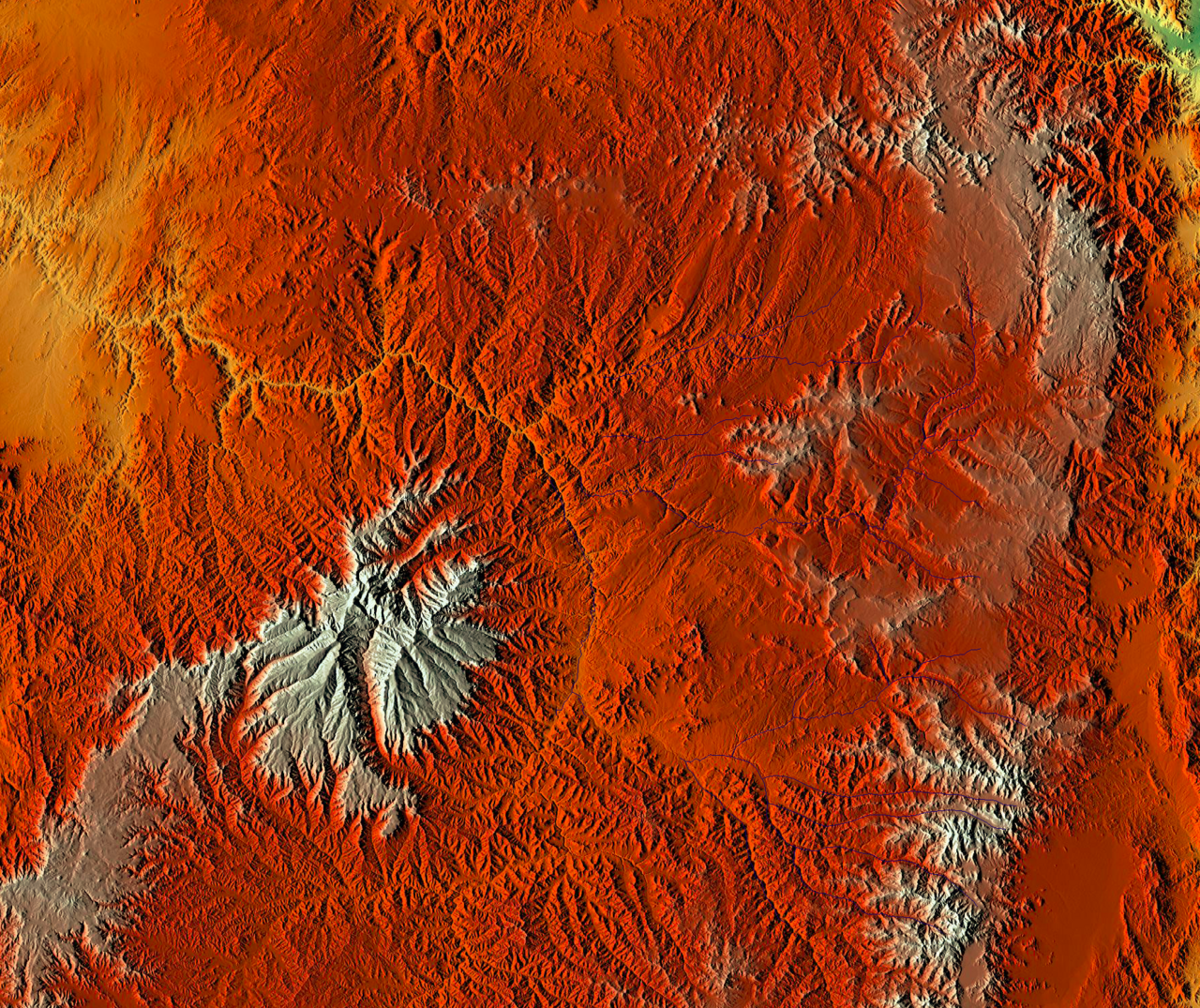
Satellite pictures of Tigray region, and Somali frontier, Ethiopia. File photo. crop by: Ruthven · CC0
And here's the twist. Fano fighters, who fought alongside the federal army against the TPLF last time, are now fighting alongside the TPLF against that same federal army. Former enemies have decided that removing Abiy Ahmed matters more than their history with each other.
Ethiopia's government says this alliance didn't just come together on its own. Billene Seyoum, Abiy Ahmed's spokesperson, says members have been working together for a while now, with money from Eritrea. Eritrea denies it.
So what don't we know? Whether Eritrea's role goes beyond money. Ethiopia hasn't said Eritrea is fighting directly, and no evidence of that has turned up.
Both sides blame each other for starting this week's fighting. Getachew Reda, a former senior TPLF figure who now advises Abiy Ahmed, says the alliance launched the attacks. The TPLF says the opposite — that it was responding to a government move. Amanuel Assefa, the TPLF's Vice President, told AFP two days ago: "We are in the situation of full-blown war now."
Ethiopia's federal army says it has killed more than 270 fighters in Amhara. Nobody has independently verified that number. The Tigrayan side disputes it.
There's a political layer under all of this too. Earlier this year, a TPLF faction led by Debretsion Gebremichael took control of Tigray's administration. That pushed out the interim government set up under the Pretoria agreement — the first sign the peace deal was cracking, months before this week's offensive.
Outside powers are already worried. The African Union wants the fighting stopped right now. It's asked Olusegun Obasanjo, the former Nigerian president who helped mediate the 2022 deal, to get involved urgently. IGAD, the East African regional bloc, has urged neighbouring countries not to make things worse, and says it has grave concern about the situation.
Tigrayans make up only around 6% of Ethiopia's population. But the war they fought from 2020 to 2022 was the deadliest conflict of this century so far. About three-quarters of a million people were still displaced within Tigray from that war before this new fighting even started.
So what's still unknown? Who fired first. How far Eritrea's involvement really goes. Whether seven armed groups can keep fighting together across three regions at once. And whether Ethiopia's government can contain this before it spreads any further.
Nothing here was paid for by an advertiser. Members are the entire business model. Bronze is where it starts, and it opens the last seven days in full.