China just kept arming Iran while helping broker its ceasefire with America
3 days ago · 28 September 2026Share
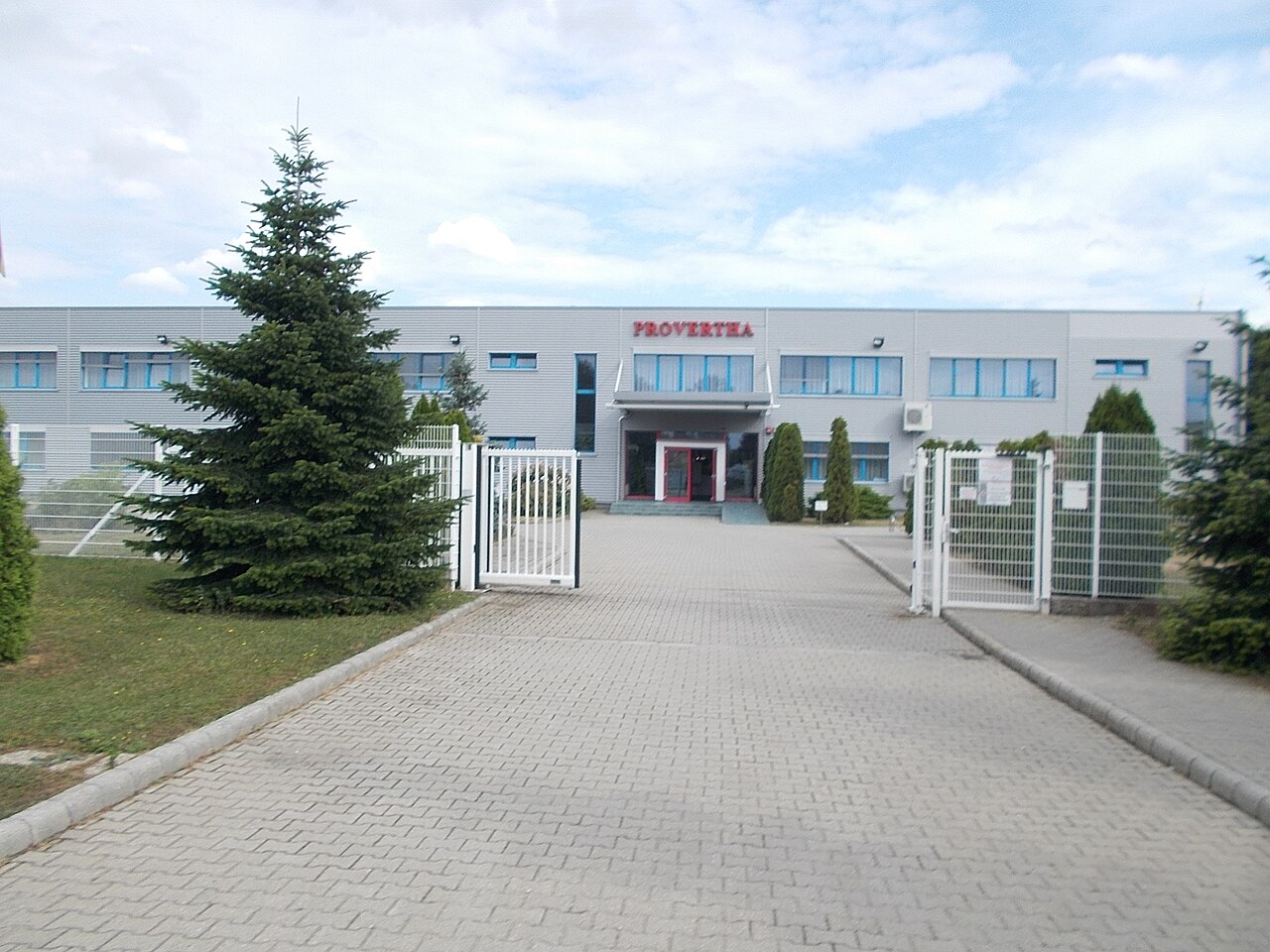
Provertha Electronic Components manufacturing facility in Kapuvár, Hungary. File photo. Globetrotter19 · CC BY-SA 3.0
China sent about 1,300 shipments of dual-use parts to Iran's defence ministry in the first half of this year.
And some of them landed on the exact day America and Iran signed a ceasefire.
That's what a Wall Street Journal investigation found. It's based on Iranian customs records, pulled from the data firm ImportGenius, covering January 2025 through June this year.
The records list thousands of shipments to Iranian companies and Iran's defence ministry. GPS devices. Motors. Aircraft engine parts.
Many were filed under Article 119 of Iran's customs code. That's the rule that exempts defence imports from tariffs.
So here's the timeline. One delivery landed in Tehran on 17 June this year. That's the same day Washington and Tehran signed a 60-day truce. And it's the same day China was publicly promoting its own role in bringing peace.
Then, two days later, on 19 June, more than a dozen more shipments arrived. Carrying over $6 million in parts. Parts usable in drones.
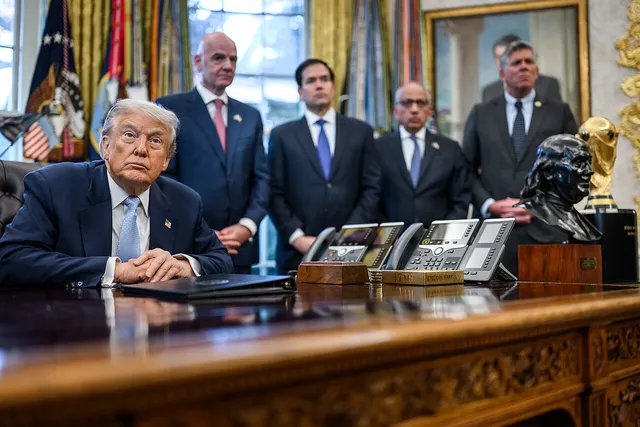
Now here's why this is landing right now. Xi Jinping, China's president, is on a state visit to Washington. He arrived at Joint Base Andrews four days ago. He sat down with Donald Trump the next day, alongside his aide Cai Qi and Foreign Minister Wang Yi.
The agenda covered trade, artificial intelligence safety, Taiwan. And the Iran war.
And here's the thing. Donald Trump had told his own aides that keeping his relationship with Xi Jinping smooth was a priority going into the summit. So senior officials played down China's support for Iran in the run-up.
But it didn't stay quiet. Pete Hegseth, the US Defence Secretary, told lawmakers that China and Russia were enabling Iran. Donald Trump struck a different note. Asked about Xi Jinping's promise on weapons, he says quote "I trust them".
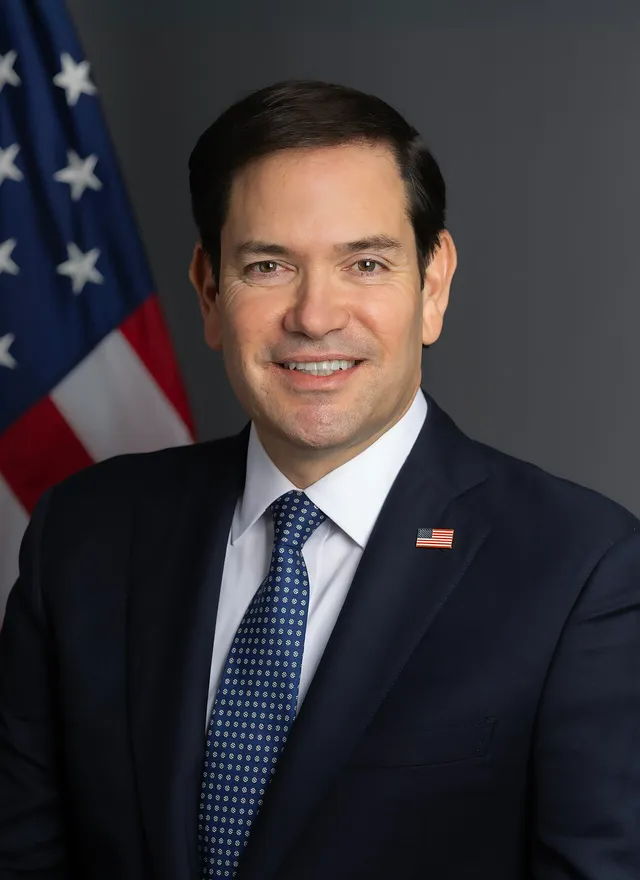
Marco Rubio, the Secretary of State, said Chinese help hadn't changed the direction of the war. Elissa Slotkin, a US senator, wants Iran made central to the summit talks.
The rest of this story is for members.
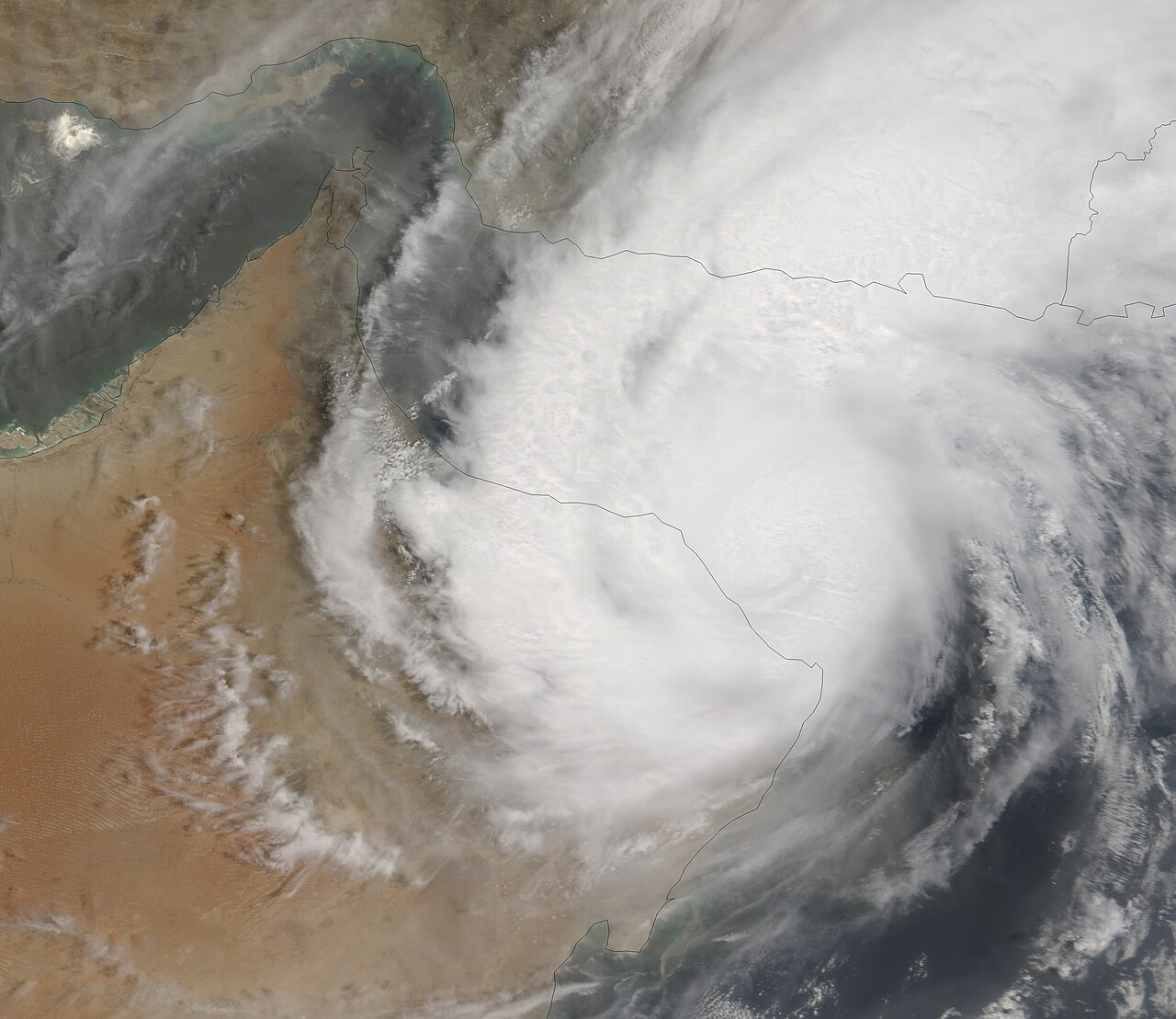
Contains NASA satellite imagery of a storm system over the Arabian Sea region. File photo.NASA image by Jesse Allen, using data provided courtesy of the MODIS Rapid Response team at Goddard Space Flight Center. · Public domain
The shipments aren't the only thread tying China to Iran's war. Flight-tracking data from FlightRadar24 backs this part up too. Mahan Air — an airline the US has sanctioned for years — went from four flights a week between China and Iran in early March to about 27 a week by late April.
By the first week of September, that airline was running 39 flights a week. Twice its prewar level. Some of those flights weren't even open for passengers to book.
Kate Koren studies this for a living. She's deputy director of the economics programme at the Center for Strategic and International Studies. She found Chinese companies advertising the exact kind of electronics used in Iran's Shahed drones, marketed to Iranian buyers at trade fairs and in Persian-language adverts.
Chinese entities also gave Iran satellite pictures of the Muwaffaq Salti air base in Jordan. Before Iran's missile strike on it in July. And after. Washington had already sanctioned three Chinese satellite-imagery companies over this kind of activity back in May.
There's more. A December letter from the sanctioned Chinese company Haokun Energy said it had arranged confidential export licensing for sodium perchlorate — a chemical used in missile propellant — and set up a shell company in Beijing to move it. The Journal confirmed the company is genuinely registered. It couldn't confirm whether the deal went through.
Days before the war started on 28 February this year, China delivered 300 tonnes of chemical compounds to Iran's defence ministry, the records show. Washington has also gone after networks trying to route newer Chinese shoulder-fired missile systems into Iran, including one failed attempt through Belarus.
China became Iran's biggest oil buyer after America walked away from the nuclear deal in 2018 and reimposed sanctions. The two countries signed a 25-year cooperation pact in 2021.
US lawmakers now put China's share of Iran's oil exports above 80%. China is handing Iran billions of dollars this year, through front companies and banks that settle in Chinese currency to dodge US financial oversight.
Beijing rejects all of it. China's government says it controls the export of dual-use goods, follows international trade rules, and doesn't recognise one-sided US sanctions against Iran.
Iran's own diplomacy hasn't stopped either. Abbas Araghchi, Iran's Foreign Minister, has been talking to US envoys Steve Witkoff and Jared Kushner through Qatari mediation. Masoud Pezeshkian, Iran's president, told the UN General Assembly that Iran won't surrender to American pressure — but is still willing to negotiate.
So what happens now? The summit named the Iran war as a subject on the agenda. But there's no public sign the two sides agreed anything on enforcement. And no word on whether Washington will sanction any of the Chinese companies this investigation names.
Nothing here was paid for by an advertiser. Members are the entire business model. Bronze is where it starts, and it opens the last seven days in full.