Britain just ignored its own spies to sanction Israel
17 September 2026 · 17 September 2026Share
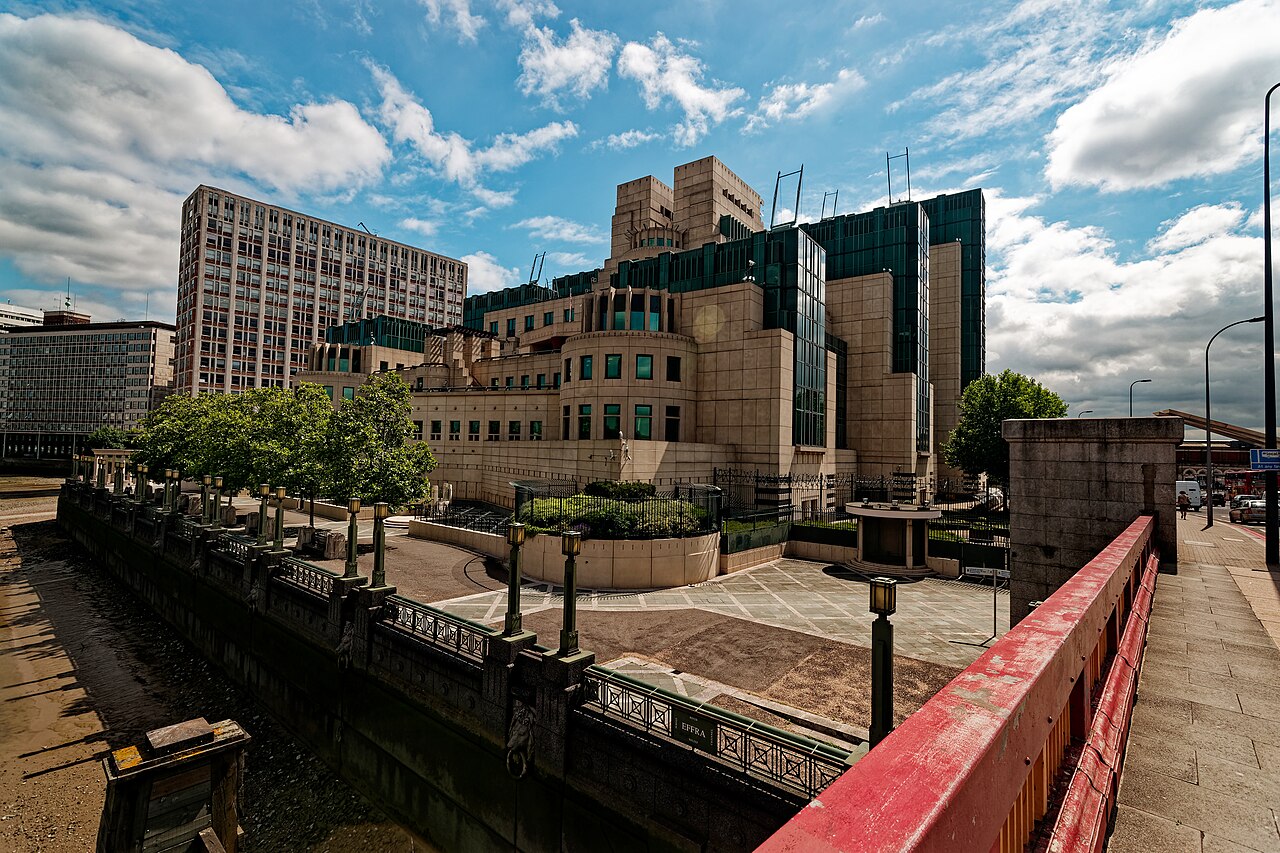
The SIS (Secret Intelligence Services / MI6) Building, designed by Terry Farrell and completed in 1994, on Vauxhall Bridge Road in London. File photo. Txllxt TxllxT · CC BY-SA 4.0
Britain's own spy agency warned Ed Miliband this could happen.
He sanctioned Israel anyway.
That's the finding from The Spectator, published a day ago. Built on unnamed government, security and diplomatic figures — but it's detailed, and it's specific.
So here's what MI6 actually said. Not an outright "don't do it." More like: this could cost you intelligence-sharing with Israel. Think about that.
An unnamed Labour figure close to the security services put it bluntly. They told The Spectator, quote "people in 6 are pulling their hair out".
Nine days ago, Ed Miliband stood up in the House of Commons and announced the sanctions. An import ban on goods from Israeli settlements. Tighter arms export controls. New powers to sanction people and companies trading in the West Bank. A ban on advertising settlement property in Britain. And sanctions on five individuals.
He called it ethnic cleansing in the occupied West Bank. The National says around a dozen countries backed similar restrictions around the same time.
But before any of that became public, Ed Miliband picked up the phone.
On 11 August, he called Gideon Sa'ar, Israel's foreign minister, to warn him sanctions were coming. And according to a diplomatic source, Gideon Sa'ar had a request. Postpone it. Wait until after Israel's election on 27 October.
And here's a detail buried in the story. Gideon Sa'ar only took that call because MI6 passed a request through Mossad. Benjamin Netanyahu, Israel's Prime Minister, usually won't speak to British politicians at all.
So what did Israel do next? It moved fast.
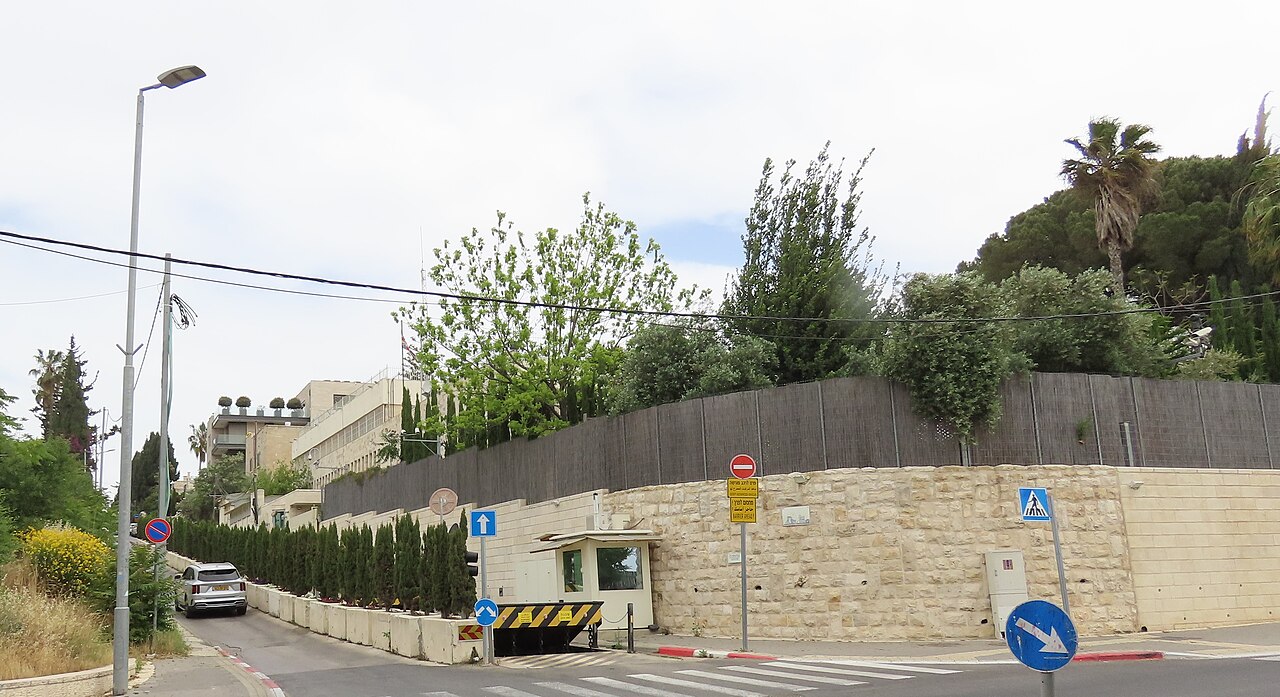
Within days, Israel gave Britain's consulate in East Jerusalem 30 days to close. It pulled UK staff out of the centre coordinating aid into Gaza. It ended British training of Palestinian Authority security forces. And it barred a group of British MPs from entering the country, including Jeremy Corbyn.
How many MPs? Depends who you ask. The Spectator says 11. The National says 12. Nobody's reconciled that yet.
The rest of this story is for Silver and Gold members.
The Knesset, Israel's parliament building in Jerusalem, where Foreign Minister Gideon Saar sits. File photo. יעקב · CC0
Ed Miliband says he saw some of this coming. He told the BBC he is confident security co-operation with Israel will continue. He also called Israel's response regrettable and damaging.
But here's the complication. A senior security source told The Spectator that Mossad-British intelligence sharing had already significantly dropped away — and that happened a year ago, after the UK recognised a Palestinian state on 21 September 2025.
So is this new damage, or old damage getting blamed on something new? Nobody can say for sure.
A second intelligence source did say Israel would still pass on intelligence about an imminent threat. But the relationship, in their words, is different now. Everything is conditional and transactional, they said. Not the steady flow Britain gets from the Five Eyes.
It's not just intelligence, either. A Labour source who spoke to contacts in Qatar, Saudi Arabia and the UAE says none of them think Britain gained anything. Saudi Arabia and Qatar, the source says, are now downgrading investments in the UK. And someone just back from Washington said the US administration treats the UK government with a resigned indifference.
So why now? Why this timing?
One senior security source gave a political answer. Ed wants to get rid of Netanyahu and the Smotrich and Ben-Gvir camp, they said, and he was explicitly told that would be less likely if he did this. The same source says the sanctions actually rallied Israeli front pages behind Benjamin Netanyahu the next day. A Jewish News comment piece notes the polls have since narrowed in his favour.
And there was another deadline in play — tenders for 1,200 homes on the E1 settlement site, due 19 October. But insiders told The Spectator that deadline mattered less than placating Labour backbenchers and an upcoming by-election.
Not everyone in government was on board.
Tom Tugendhat, the shadow foreign secretary, said having spoken to officials, it's clear the Foreign Office largely thinks this is performative and unhelpful. Kemi Badenoch, the Conservative leader, said Israeli intelligence has helped save British lives, and warned that damaging the relationship could leave Britain more exposed to Iranian-directed activity. Sir Ephraim Mirvis, the Chief Rabbi, called the sanctions a dark day for British Jews.
Andy Burnham, the Prime Minister, defended it at Prime Minister's Questions. He said the government gave the most careful consideration to all of the risks, and took advice from the security services and the Foreign Office. He said the approach meant Britain standing with the underdog.
The Spectator also reports something more personal. People who know Ed Miliband describe him as very hostile to Israel personally, and less comfortable visiting than his brother David. One former intelligence source from the last Labour government says he has never been a massive admirer of the intelligence services.
In the Commons, Ed Miliband spoke about being the grandson of Holocaust survivors. In a separate interview, he said his decision drew on conversations with his mother, before she died in May.
So what don't we know? Whether intelligence-sharing has actually been cut because of the sanctions, or because of the Palestine recognition a year earlier. The exact number of banned MPs. And every claim about MI6's warning, the Sa'ar call and the political motive traces back to unnamed people talking to one outlet. No wire has confirmed any of it independently.
Nothing here was paid for by an advertiser. Members are the entire business model. This story is Silver's: it opens everything we have ever written, and our investigations first.