Britain just caught China funding spies inside its own universities
12 hours ago · 1 October 2026Share
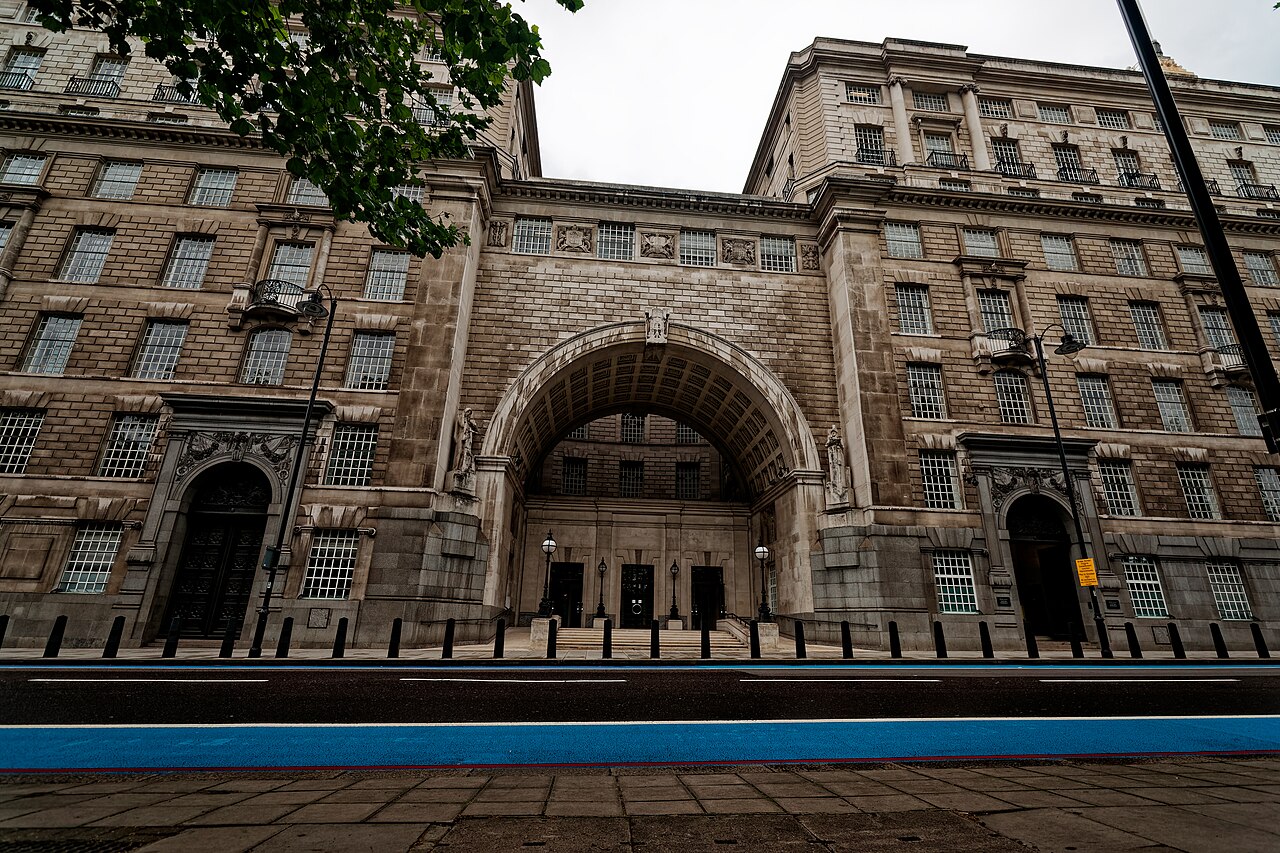
Thames House on Millbank in London, the headquarters of MI5, the United Kingdom's domestic intelligence agency. Txllxt TxllxT · CC BY-SA 4.0
MI5 just put out its first-ever public espionage alert.
And here's the headline number. More than 100 academics at UK universities worked on research funded by a Chinese organisation with very close ties to Beijing's main intelligence service.
The warning went out earlier today.
So who funded this research? A group called the China General Technology Research Institute. MI5 says it's also known as the China Academy of General Technology. And MI5 says it has very strong ties to China's Ministry of State Security — that's China's civilian spy agency.
What were the academics actually working on? Artificial intelligence. Cybersecurity. Covert communications systems. And steganography — that's hiding information inside other messages or files.
Now here's the important part. MI5 says most of these academics and universities acted in good faith. They didn't know who was really behind the money.
So this isn't a story about British academics spying for China.
It's a story about a Chinese organisation allegedly using research funding as cover to get close to sensitive British work.
But there's a warning attached too. Anyone who keeps working with this institute now — now that MI5 has said all this publicly — risks prosecution. That's under Britain's National Security Act, a law passed in 2023 that gives the government stronger powers against foreign espionage.
Dan Jarvis, the UK's Security Minister, has written to every university leader in the country. His message: end any relationship with the institute.
Dan Jarvis says quote "This alert exposes attempts by Chinese intelligence to covertly benefit from the expertise and research of our academics".
So that's the government saying, on the record, that Chinese intelligence has been feeding off British university research. And naming the exact fields it wanted. AI. Cybersecurity. Covert communications. Steganography. Those aren't obscure corners of science. They sit right at the centre of how spies work, and how the people trying to catch them work too.
The rest of this story is for members.
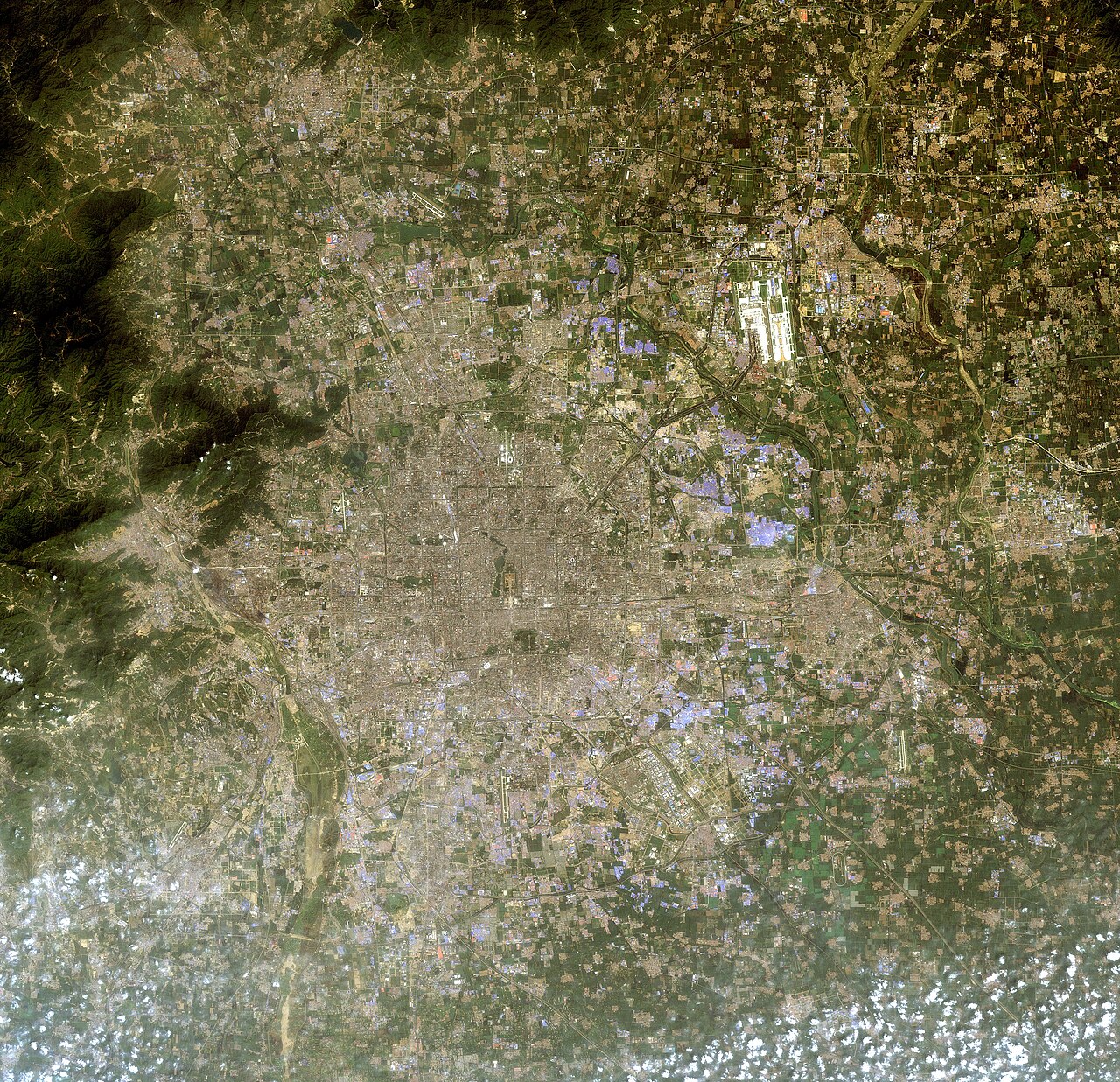
Contains modified NASA LandSat-5 satellite data showing Beijing from August 2010. NASA · Public domain
And here's what makes today different. MI5 doesn't normally publish alerts like this itself, directly, in public. This is the first time it has done that, rather than going through a government announcement or a leaked briefing.
China's embassy in London has rejected all of it.
The embassy says it firmly opposes the allegations and has lodged formal representations with the UK. It has also called the whole case imaginary and purely fabricated.
And this isn't the first time this exact exchange has happened this year.
Ten months ago, MI5 warned that Chinese agents were targeting British lawmakers, posing as headhunters or recruiters. Three months ago, the Five Eyes alliance — that's intelligence agencies from the US, UK, Canada, Australia and New Zealand — warned that Chinese spies were using jobs websites to recruit people who could reach sensitive information. China's embassy called that one entirely fabricated and malicious slander. Almost the same words it's using today.
Last year, Ken McCallum, MI5's director-general, said Chinese spies posed a daily threat to Britain's national security. He said they were creating fake job adverts to lure British professionals.
So this has been building for a while. What's different today is the scale. Over 100 academics. And the fact that MI5 put its own name directly on the warning this time.
And there's a tension sitting underneath all of this.
Britain has spent the past year trying to build closer trade ties with Beijing. It approved plans earlier this year for China to build its largest embassy in Europe, right in London. At the same time, Britain's own security service keeps warning, more and more publicly, that China is running intelligence operations inside British institutions.
So what don't we know?
MI5 hasn't said how many of the 100-plus academics knew who was really funding their work. It hasn't said whether any prosecutions are being prepared. And it hasn't said whether academics in other Five Eyes countries — the US, Canada, Australia, New Zealand — have been drawn into similar projects.
For now, the instruction from the British government is simple. Stop working with the institute. Or risk the law catching up with you — even if you never knew who you were really working for.
Nothing here was paid for by an advertiser. Members are the entire business model. Bronze is where it starts, and it opens the last seven days in full.