America just sanctioned the court that just won the Nobel Peace Prize
1 hour ago · 9 October 2026Share
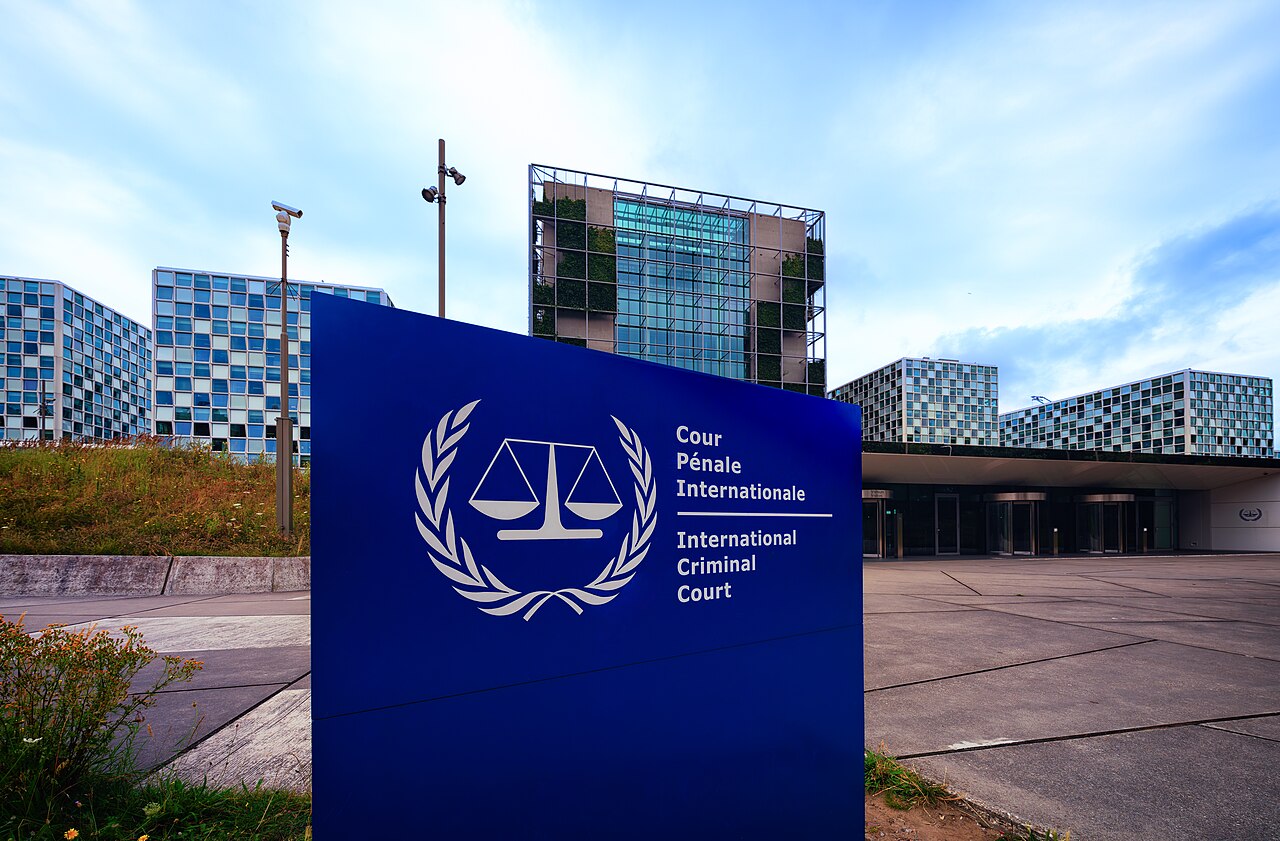
The International Criminal Court building at The Hague, Netherlands, photographed on July 23, 2024. File photo. Tony Webster · CC BY 2.0
America just sanctioned the International Criminal Court itself.
Not a judge. Not a prosecutor. The court.
And it happened hours after the Nobel Peace Prize went to the woman who helped build that court.
So let's get into it.
Marco Rubio, the US Secretary of State, announced the sanctions earlier today. His words: these sanctions would ban transactions with what he called a rogue court, cutting off its resources and crippling its ability to operate.
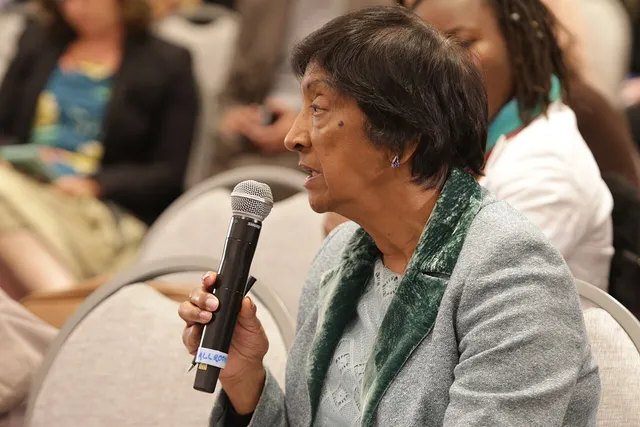
The same day, the Nobel Committee gave its Peace Prize to Navanethem 'Navi' Pillay. She's 85. She's from South Africa. And she used to sit on the ICC's own Appeals Chamber, from 2003 to 2008.
After that she became the UN's High Commissioner for Human Rights. Right now she's an ad hoc judge at the International Court of Justice.
And here's the detail that explains everything. Pillay also chaired the UN Commission that concluded, about a year ago, that Israel's actions in Gaza amounted to genocide.
So the timing is the whole story. The sanctions and the prize, hours apart, same day.
Now, America has sanctioned ICC people before. Seventeen individual prosecutors and judges, including Tomoko Akane, the court's Japanese president, sanctioned about two months ago.
But today is different. For the first time, the US put the ICC itself on the sanctions list, as an entity.
Rubio says the ICC must end what he calls its threats against America, or the US will work to end the court itself. He's also calling on America's allies to rein the court in.
That's the clearest threat yet. Not aimed at a person. Aimed at the institution.
And the Nobel Committee had basically called this coming. Jørgen Watne Frydnes, the committee's chair, said the prize was meant to send a message to anyone undermining international institutions. He said the whole system of international law is under tremendous pressure, with its institutions under attack.
The rest of this story is for members.
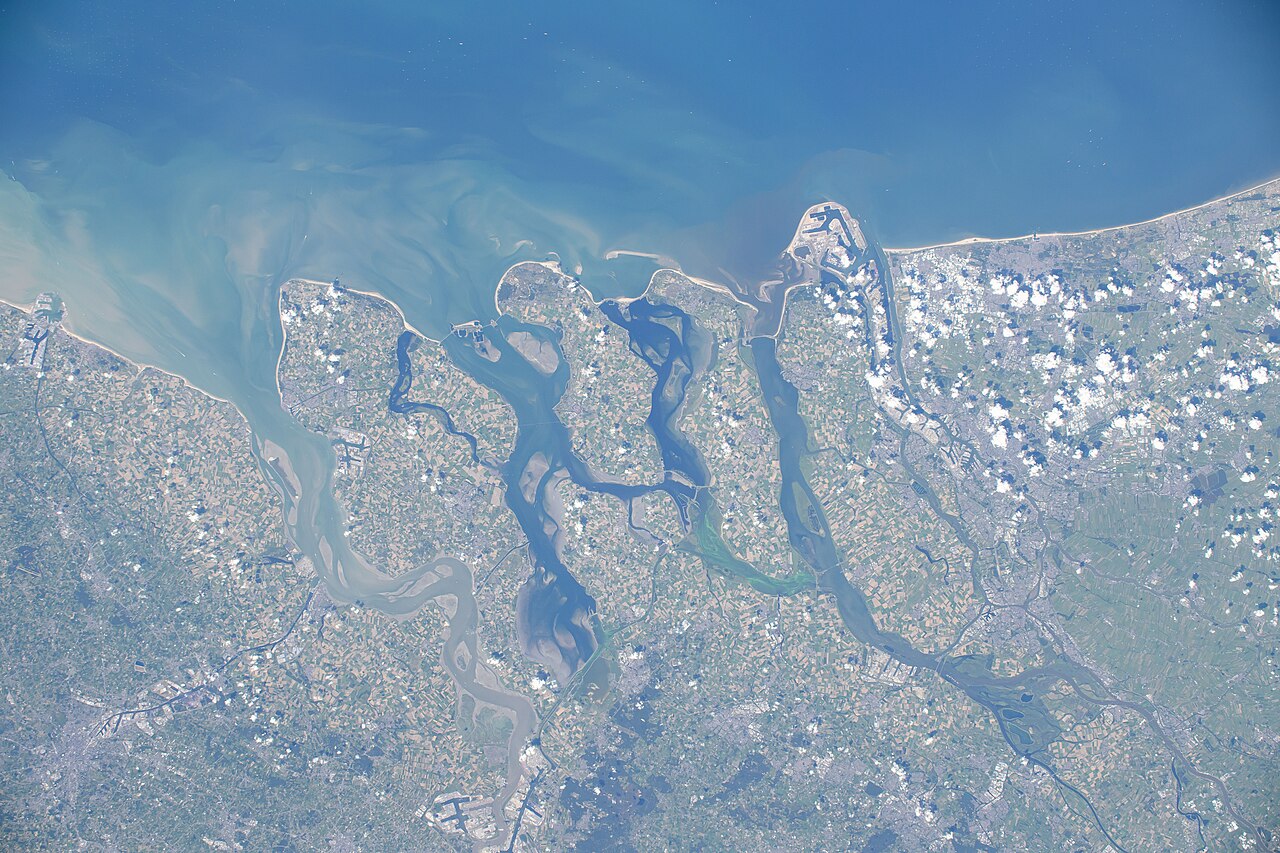
Contains modified NASA imagery showing The Hague and Rotterdam, cities next to the Rhine–Meuse–Scheldt river delta in the Netherlands on the coast of the North Sea, from the International Space Station on August 11, 2024. File photo. NASA Johnson Space Center · Public domain
Hours later, America handed the committee a live example.
Donald Trump didn't comment on the sanctions directly. He reposted a Truth Social message instead, from David Schoen, his former impeachment lawyer. Schoen wrote that the Nobel Committee had demeaned the once-great prize by giving it to Pillay.
Israel went further than that. Its Foreign Ministry said Pillay would be a frontrunner for an award for lies, hatred and blood libels, if one existed. Benjamin Netanyahu, Israel's Prime Minister, said the committee had lost its moral compass. He called Pillay a bigot who built her career on spreading blood libels.
And that's where this whole fight started. About two years ago, the ICC issued arrest warrants for Benjamin Netanyahu and Yoav Gallant, Israel's former Defence Minister, over the war in Gaza. The court also looked into alleged war crimes by US forces in Afghanistan, though that inquiry is now closed. It has never prosecuted or indicted a single American.
The ICC isn't backing down. Nazhat Shameem Khan, its Deputy Prosecutor, says the court's work will continue across all our situations, our investigations and our prosecutions.
The court's own statement went further. It said quote "It is an assault on the rule of law and on the very foundations of the international legal order". It added that no one should be punished for serving the cause of justice, and that history will judge this moment.
He said the sanctions were structured to give the court and its member states a chance to negotiate and present a solution to address US concerns. He didn't say what that solution looks like. He didn't give a deadline either.
And Treasury has carved out some exceptions already. There's a 180-day licence for the ICC's basic operations. There's separate cover for IT services, including cloud and software. Other reporting points to licences for the court's pension plan too, and for matters linked to ICC detainees.
So the sanctions are real. But they're not total.
Now, the ICC has 125 member states. Apart from America and Turkey, every single NATO country is one of them. None of them has said yet how they'll respond.
There's already a legal fight running alongside this. Three ICC judges are suing the Trump administration over the earlier individual sanctions, arguing they were unlawful. That case is still unresolved.
Rubio's been building to this for months. About three months ago he said the US intended to dismantle the ICC brick by brick. Today was the biggest brick yet.
What nobody's said is what happens if the court's own members decide to fund around the sanctions. Or what America does next if they do.
Nothing here was paid for by an advertiser. Members are the entire business model. Bronze is where it starts, and it opens the last seven days in full.