America just made Iran's nuclear programme a condition for ending the war
2 days ago · 29 September 2026Share
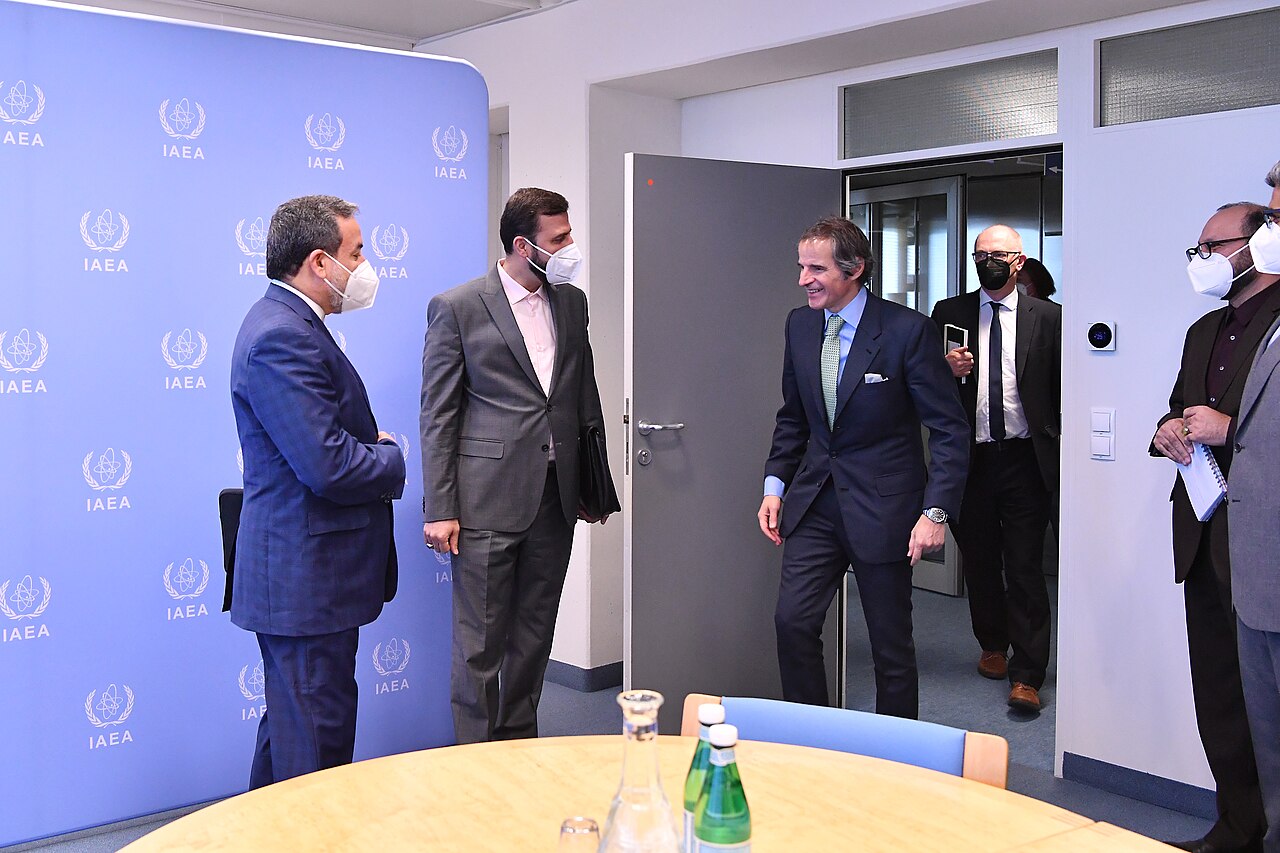
IAEA Director General Rafael Mariano Grossi welcomes Iran's Deputy Foreign Minister Dr. Seyed Abbas Araghchi upon arrival at the Agency headquarters in Vienna, Austria on 6 May 2021. File photo. IAEA Imagebank · CC BY 2.0
The US just told Iran something big.
No deal ends this war unless Iran's nuclear programme gets sorted first.
That's what a US official told Al Jazeera a few hours ago.
So let's back up.
Abbas Araghchi, Iran's Foreign Minister, met Qatari mediators in New York a day ago. They went through Iran's plan to reopen the Strait of Hormuz.
The US official called the talks positive and constructive.
But then came the catch. The official says quote "there would be no agreement to end the war unless Tehran's nuclear programme is addressed".
That's the clearest public line yet on what America actually wants.
And here's the twist. Three days ago, Donald Trump rejected Iran's whole plan. He called it unacceptable.
But the talks kept going anyway. Through Qatar. Right through the rejection.
So what's actually in Iran's plan?
It was announced four days ago at the UN General Assembly. Iran wants the US to release its frozen funds, lift oil sanctions, and end the naval blockade on Iranian ports. All within four to five days.
In return, Iran reopens the Strait of Hormuz. And nuclear talks start on day seven.
Iran shut that strait seven months ago, when the US and Israel launched their war on the country. Before that, it carried about a fifth of the world's oil and gas.
Donald Trump said no on Saturday. But three regional officials and a senior US official told the Associated Press that mediators kept working on a deal anyway.
So that's the gap this story sits in. A public no. And a private yes to keep talking.
Araghchi says the message exchange has gotten more serious since Iran put its plan forward. He told Iranian state media quote "we talked about ideas and how to find solutions to fulfil Iran's conditions".
The rest of this story is for members.
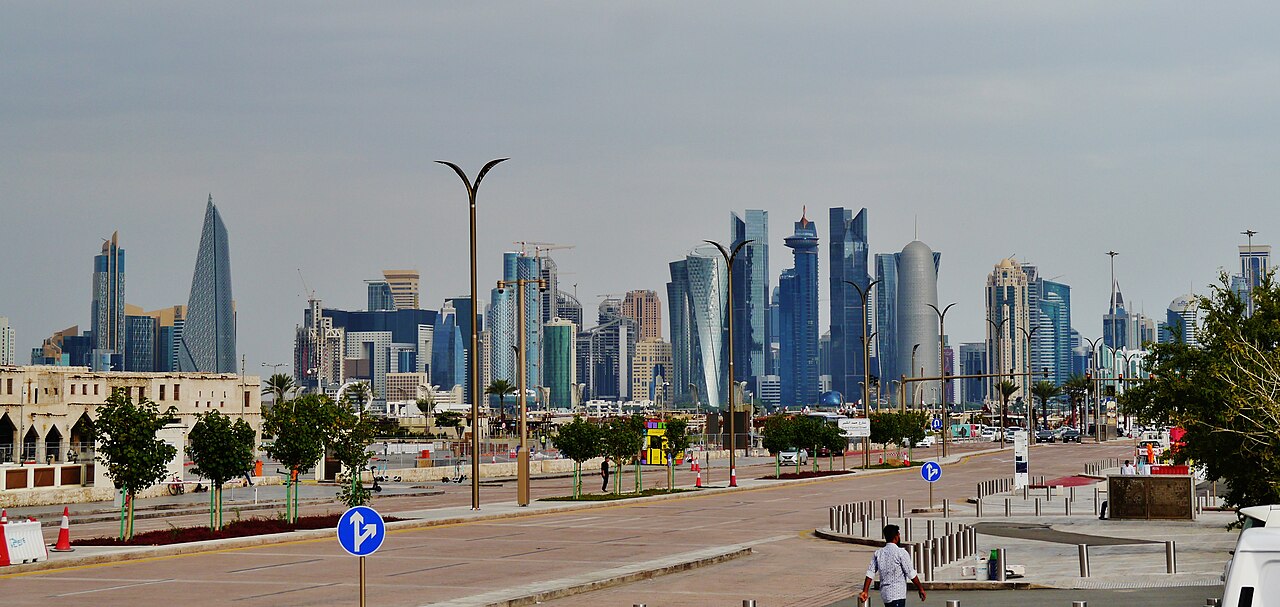
Skyline of Doha, Qatar. File photo. Zairon · CC BY 4.0
He's flying back to Tehran now. He expects Washington's final answer, through Qatar, by tomorrow.
But here's the part worth being careful about.
The nuclear demand might not be new at all. Three days ago, a separate White House official used the exact same words, positive and constructive, and had already linked the talks to the nuclear question.
So this could just be America saying the same thing, louder. Not a new red line.
There's another disagreement too. The US official says Iran broke a June understanding by firing on commercial ships. Iran denies it. Iran says the US broke its side first, by not stopping Israeli strikes on Lebanon and by pushing shipping onto other routes.
And while the diplomacy carries on, both sides are still talking about force.
Iran's Supreme Leader, Mojtaba Khamenei, said a day ago that the days of foreign domination are over. He talked about painful blows landed on enemy forces near the strait.
Major-General Ali Abdollahi, who runs Iran's armed forces staff, warned that Iran and its allies would answer any threat with a strong response.
Rear Admiral Habibollah Sayyari said the strait is still closed. He says Iranian forces are ready to stop anyone getting in.
Donald Trump told reporters a day ago that America is going to win, that it would happen fast, and that petrol prices would fall once America had won.
On the water, the picture is mixed.
Admiral Brad Cooper runs US Central Command. He said three days ago that American forces have escorted 2,000 ship transits and more than a billion barrels of oil through the region in recent months.
And despite the closure, crude exports from major Middle East producers actually rose in September. 12.8 million barrels a day. The highest since the war began, according to Reuters and Kpler data cited by Al Jazeera.
Oil prices tell a different story though. Brent crude is above $100 a barrel. One report puts it near $108.50. That's up about 20 per cent this month.
The US has also put a blockade on Iranian ports. And it's threatening secondary sanctions against any airport or company doing business with Iranian airlines. The UAE, Iraq and Oman have already cancelled flights linked to Iran because of it.
So the war is eight months old now. Both sides are hardening their public positions. And the private channel through Qatar is still open anyway.
What we don't know: whether America will put its nuclear demand into a formal counter-proposal. What the actual ideas are that Qatar is carrying between Washington and Tehran. And whether this is genuinely a new US red line, or the same one, said louder.
Nothing here was paid for by an advertiser. Members are the entire business model. Bronze is where it starts, and it opens the last seven days in full.