Respect Orders just gave police across England and Wales arrest powers for repeat offenders

Respect Orders have just come into force across England and Wales.
So what changes? Police can now arrest an adult on the spot for breaching one.
Until today, this was handled through the civil courts. Now, breaching a Respect Order is a criminal offence.
And the penalty is real. Up to two years in prison. Or an unlimited fine. Or both. Courts can also add community orders or curfews.
So what actually is a Respect Order? It can ban someone from an area, or stop them doing certain things. It can also force them to act, like attending drug and alcohol treatment, or an anger management course.
Here's how it works. The order itself is civil. A local authority, a housing provider or the chief police officer for an area applies for one, through the County Court or the High Court. But once a court grants it, breaking the terms is now a criminal matter, not a civil one.
This replaces the Anti-Social Behaviour Injunction, which has covered adults since 2014. That injunction had no arrest power attached. Going back to court to enforce it was slow. Respect Orders apply only to adults, 18 and over. A separate order still covers 10 to 17 year-olds.
So where did this come from? The Crime and Policing Act 2026. It got Royal Assent six months ago. The Home Office set today as the start date three months ago, in July. Labour promised Respect Orders in its 2024 election manifesto, as part of a pledge to take back the streets.
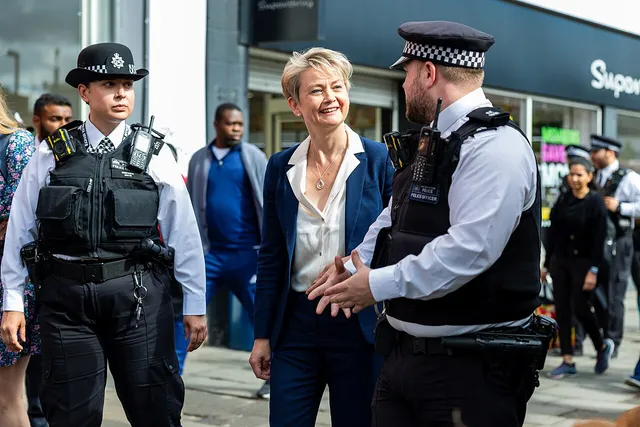
Sarah Jones, the Policing Minister, visited Hemel Hempstead to see how police there plan to use the new powers. She says Respect Orders quote "will ban perpetrators from the places they blight". She says breaching one is now a criminal offence with serious consequences, including prison.

Comments
None yetAlready a member? Log in.