The Metropolitan Police just demanded the biggest shake-up of policing since the sixties
6 November 2026 · 6 November 2026Share
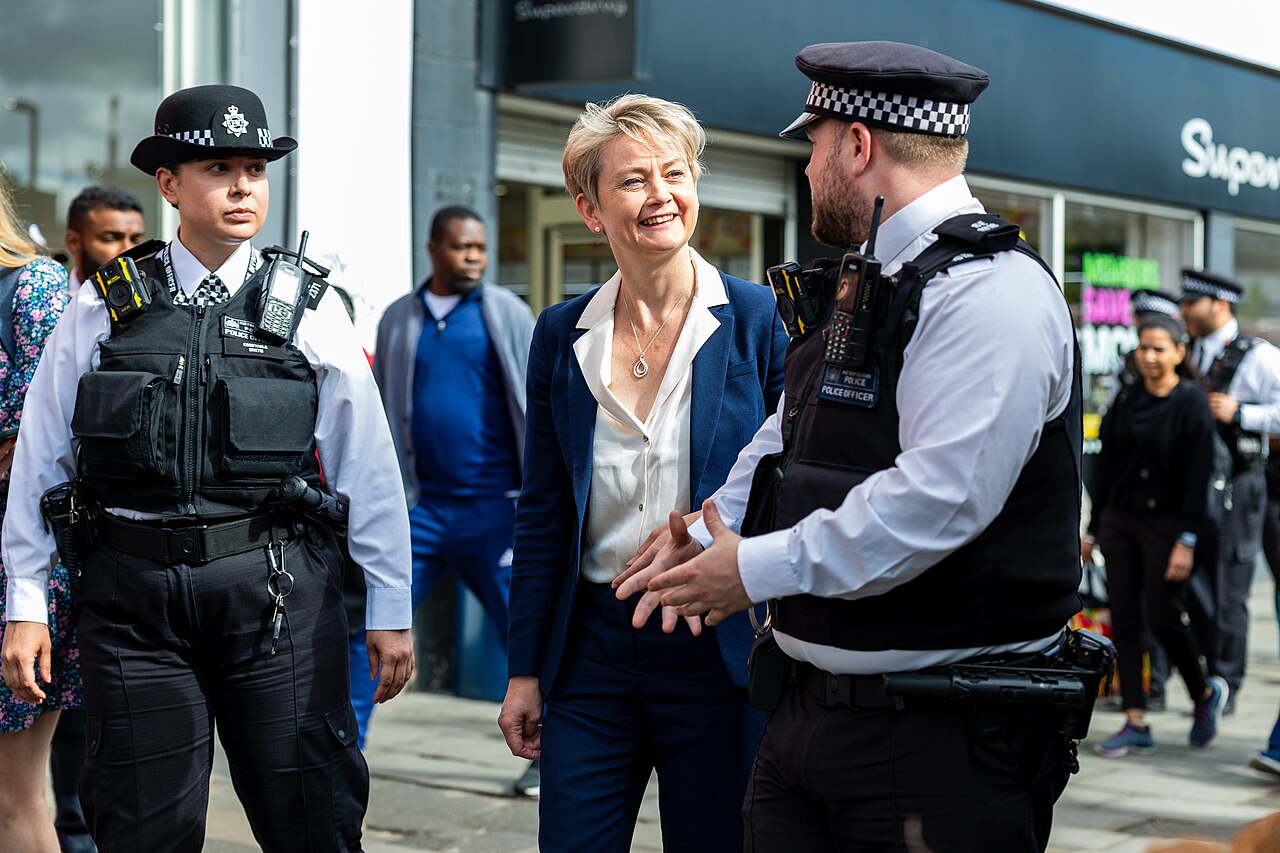
Home Secretary Yvette Cooper visits the Metropolitan Police in Lewisham, meeting officers and Met Commissioner Sir Mark Rowley in her first week in office. File photo. UK Home Office · CC BY 2.0
Sir Mark Rowley says British policing is heading for failure.
He's the Commissioner of the Metropolitan Police. And he just said it out loud, in a speech in Manchester, standing next to four other police chiefs.
So what does he want to do about it?
Scrap the whole system. All 43 police forces in England and Wales, gone.
In their place, three tiers. Local teams for neighbourhood issues. Regional forces, eight to ten of them, sharing specialist kit. And a brand new National Police Service for the most serious crimes.
The Met is calling it the biggest shake-up of policing since the 1960s.
Here's Sir Mark Rowley himself: says quote "We have 43 overstretched forces trying to do too much, with too little."
So that's the man running the Met saying this system can't be patched. It has to be rebuilt.
Why now? Follow the money.
Spending on policing has dropped from about 0.9% of GDP to about 0.7% since 2010.
And Sir Mark Rowley says the results show it. Positive outcomes nationally are now less than half what they were 12 years ago. Public confidence is down 9%.
So the public has noticed the decline too.
And here's the big one. The government agrees with him.
A Home Office spokesperson says quote "Our current model of policing has not changed since the 1960s and is no longer fit for purpose."
That's the government backing a plan that would reshape every force in the country.
This didn't come out of nowhere, either. The Home Secretary, Shabana Mahmood, opened a consultation on reforming policing back in January. This is the next stage of that process. And the Home Office is also looking at a report from Lord Hogan-Howe, a former Met Commissioner, who is believed to back as few as nine forces.
But here's the problem. The police themselves are split.
The rest of this story is for Silver and Gold members.
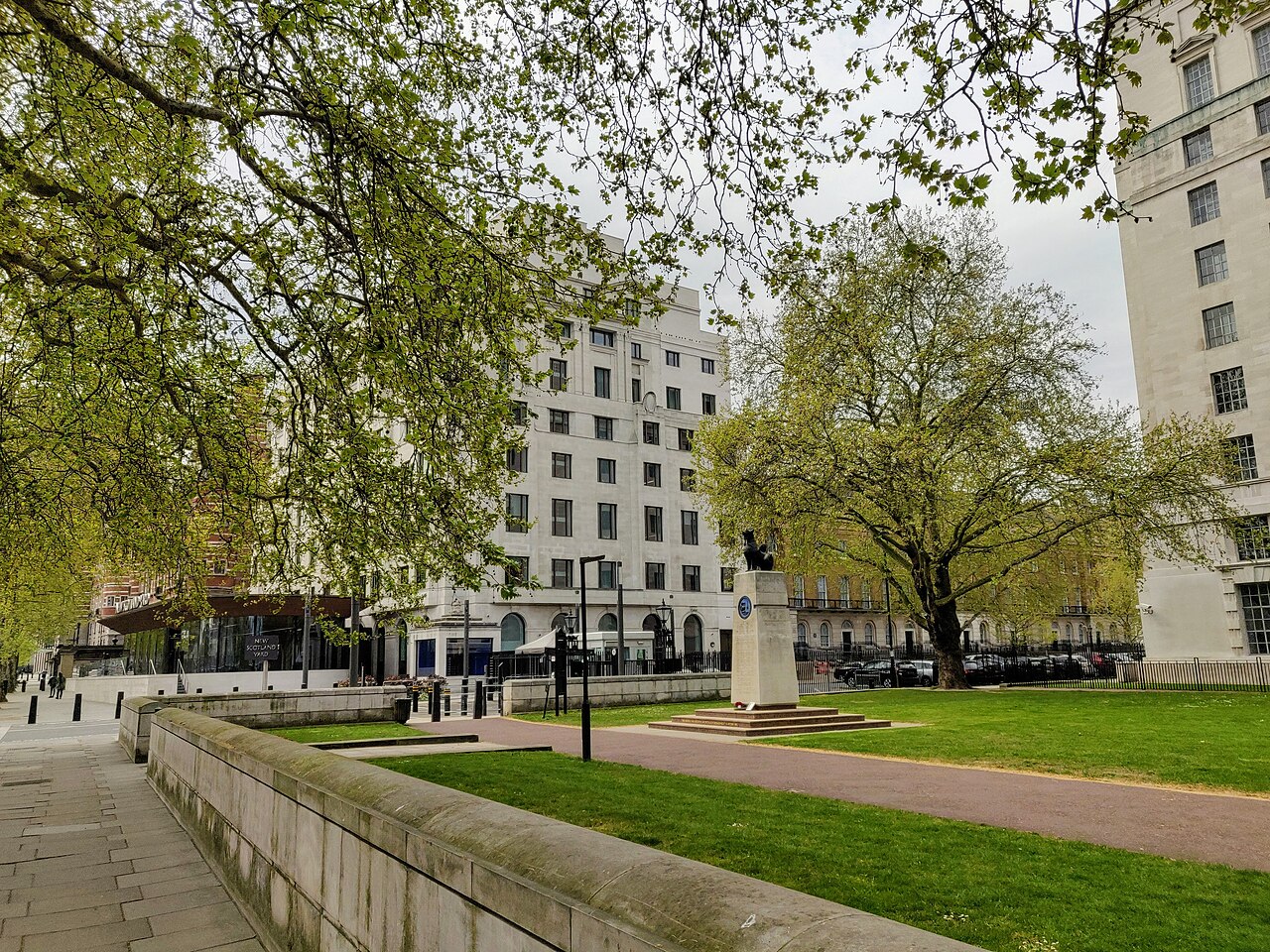
The new New Scotland Yard police headquarters along the Victoria Embankment in spring. File photo. Shadowssettle · CC BY-SA 4.0
Stephen Watson, the Chief Constable of Greater Manchester Police, backs it. So does Matt Jukes, the deputy Met Commissioner.
Others do not.
Emily Spurrell is the Police and Crime Commissioner for Merseyside, and she chairs the Association of Police and Crime Commissioners. She wrote to Prime Minister Andy Burnham urging him to rethink the whole thing.
Her own association put it plainly: the case for a National Police Service is clear. The case for cutting 43 forces down to nine regional mega-forces is not.
Some rural commissioners went further. They're calling it political manoeuvring, the bigger forces loading the dice in their own favour.
Matthew Scott, the Police and Crime Commissioner for Kent, says reorganisation could cost about one billion pounds.
David Sidwick, the Police and Crime Commissioner for Dorset, called the plan's assumptions flawed. He even called Shabana Mahmood the Beeching of policing. That's a reference to the 1960s rail cuts, the ones that shut down a third of Britain's railway network.
Jonathan Ash-Edwards, the Police and Crime Commissioner for Hertfordshire, says smaller county forces like Cheshire, Norfolk and Hertfordshire solve the most crime.
Katy Bourne, the Police and Crime Commissioner for Sussex, says rural areas would lose out to the bigger cities.
And the public seems to agree with them. Nine forces surveyed nearly 15,000 residents. Between 57% and 83% opposed the mergers.
Gavin Stephens chairs the National Police Chiefs' Council. He says there's not consensus on the number or structure. But there is consensus that reform is needed.
So the police agree on the problem. They just can't agree on the fix.
And right now, Andy Burnham has not said where he stands.
The Home Office says record investment in technology will free up officers' time, and that a National Police Service will lift national responsibilities away from local forces.
What we don't know yet is the real cost, confirmed by government rather than a critic. And no timeline has been given.
One more thing, separate from this speech. A day ago, Sir Mark Rowley told the London Assembly that a policing reset is freeing up shifts in October, by cutting the number of officers sent to major events and protests. Same financial pressure, different announcement.
For now, the Commissioner has made his case. The government is behind him. And the police and crime commissioners who stand to lose their forces are the ones left to fight it.
Nothing here was paid for by an advertiser. Members are the entire business model. This story is Silver's: it opens everything we have ever written, and our investigations first.