Ukraine just vowed to hit Russia's oil money harder and Putin wants to look strong
1 hour ago · 3 October 2026Share
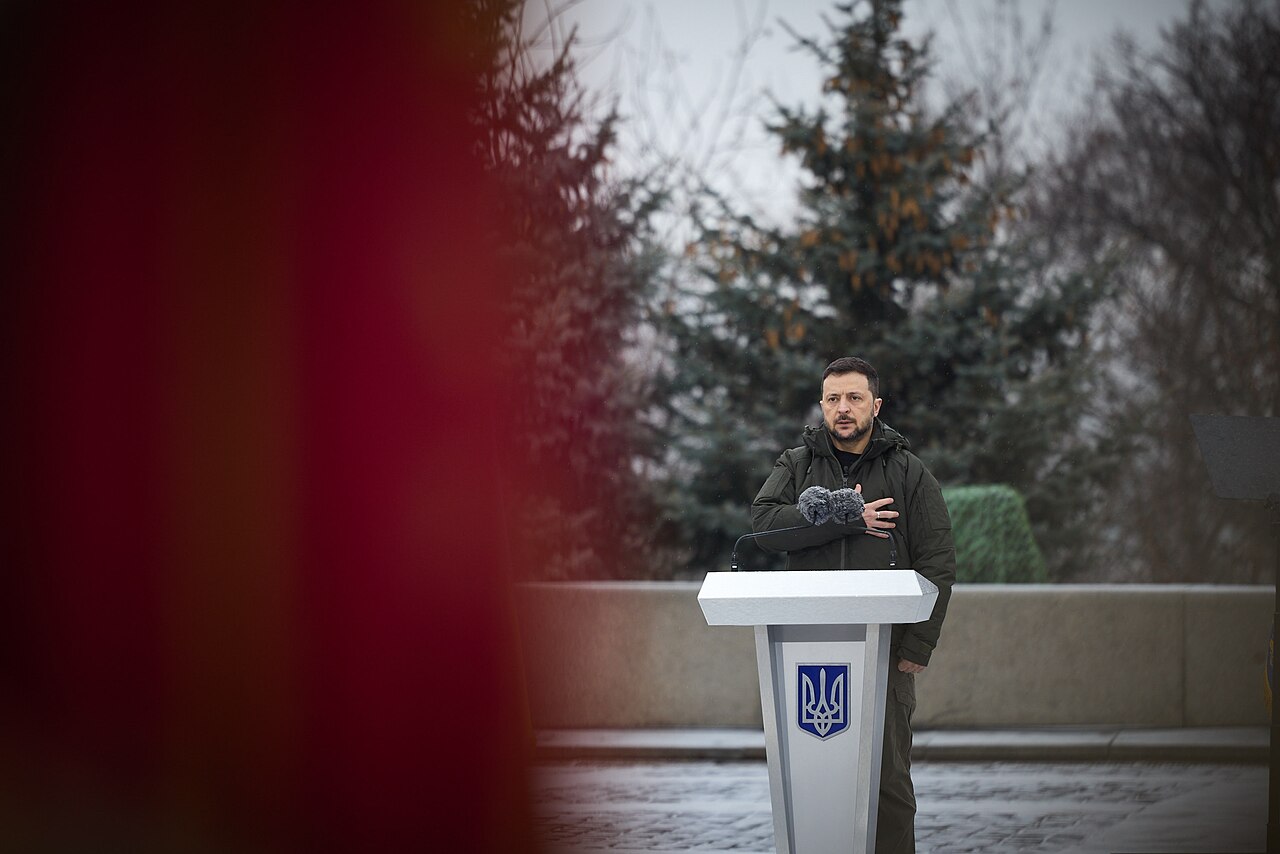
President Zelenskyy addresses Ukraine's Armed Forces on a military occasion, speaking about the nation's defence against Russian aggression. File photo. President Of Ukraine · CC0
Ukraine just promised to hit Russia's oil refineries harder.
And it's a direct reply to Russia's new bombing campaign.
Volodymyr Zelenskyy, Ukraine's President, said it a short time ago, in an exclusive interview with Reuters.
Here's the plan, in his own words. Zelenskyy says quote "we have to respond on their energy."
So the target is simple. Hit the refineries. Cut the money that pays for the war.
But he drew a line too. He says Ukraine won't respond the same way Russia has, by hitting civilian targets.
Oil sites, not civilians. That's the policy.
So why now? Because Ukraine's cities just had a brutal week.
Russia has been hitting energy infrastructure, homes, kindergartens, schools and offices right across the country. At least five people are dead. Three days ago, Russian drones hit a power plant near Kyiv and knocked out electricity across the capital.
Zelenskyy says Ukrainian intelligence has documents showing Vladimir Putin, Russia's President, signed off on a new doctrine before winter. He says it widens the target list to infrastructure, roads, schools and hospitals, to pressure people into leaving Kyiv and other cities.
That claim hasn't been independently verified. The documents haven't been made public.
Zelenskyy also says there's a reason behind the timing. He says Putin wants to look strong, right when Russia's army is losing ground on a key front and taking heavier losses.
And Ukraine isn't just talking. It's already hit back.
Overnight between the first and second of October, Ukrainian forces struck the Lukoil refinery in Volgograd and a crude-blending station near Prosvet in the Samara region.
The rest of this story is for members.
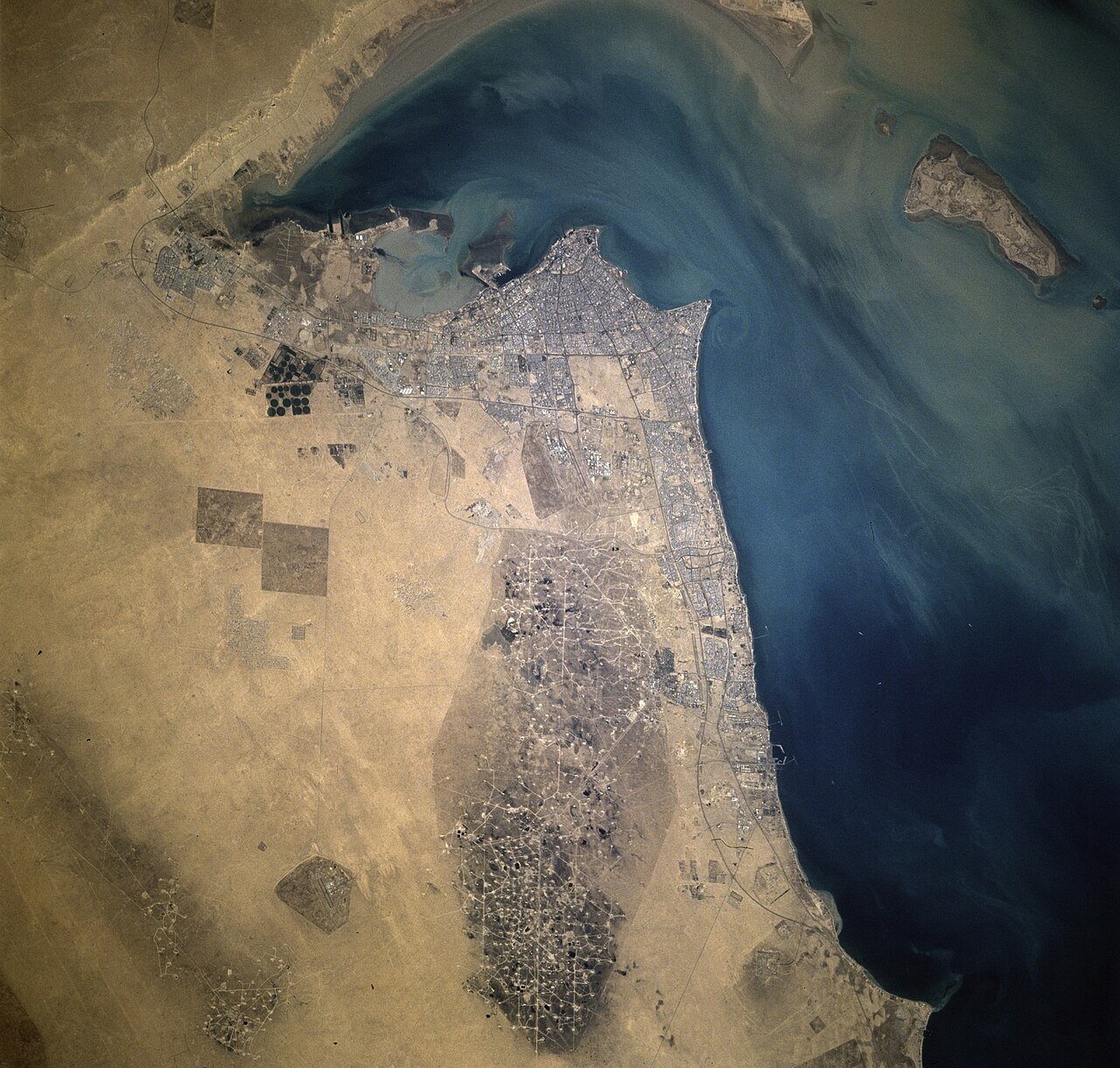
Contains modified NASA satellite imagery showing the Al Burqan Oil Field in Kuwait, illustrating the scale of major oil infrastructure. File photo. NASA, crew of STS-80 Space Shuttle Columbia mission, one of Kenneth D. Cockrell, Kent Rominger, Story Musgrave, Thomas David Jones, Tamara E. Jernigan · Public domain
The Volgograd refinery processes about 15 million tonnes of crude a year. Petrol, diesel, aviation fuel, all of it.
The Samara site blends crude into Russia's Urals export oil. That one grade makes up as much as half of everything Russia sells abroad.
So this isn't just about fuel for tanks. It's a chunk of what keeps Russia's economy running.
Russia and Ukraine don't agree on what actually happened at those two sites.
Alexander Novak, Russia's Deputy Prime Minister, says four plants came under attack that night, and says quote "we effectively repelled all attacks on our facilities." One site, he says, is still being checked for damage.
Ukraine's military and security service say explosions and fires were recorded at both locations. Satellite fire-detection data reported by Ukrinform backs that up.
Ukraine's General Staff calls the strikes lawful self-defence under the UN Charter, aimed at cutting into Russia's military and economic strength. Zelenskyy says Ukrainian forces also hit targets this week in Russia's Voronezh, Nizhny Novgorod, Volgograd, Samara and Krasnodar regions — airfields, industrial sites, a rocket and space centre, and an ammunition depot.
Russia's Foreign Ministry hasn't responded to Zelenskyy's announcement directly. But it says Russia will keep hitting targets systematically, calling its strikes payback for Ukrainian attacks on Russian soil in recent months. It's telling foreign nationals to leave Kyiv.
The Kremlin didn't respond to a request for comment on Zelenskyy's remarks. Both countries deny targeting civilians on purpose.
And this isn't new for Ukraine. It expanded this refinery campaign earlier this year, sending long-range drones as far as 3,000 kilometres inside Russia. A strike three weeks ago forced Russia's Moscow refinery to stop processing crude altogether. That plant handled around 230,000 barrels a day in 2024.
Those strikes already got Washington's attention. About a month ago, Donald Trump, the US President, told Ukraine to stop hitting Russian oil sites. He said the strikes were pushing up diesel prices worldwide.
So Zelenskyy is now promising more of the exact thing the American president asked him to stop.
Here's what we still don't know. Whether strikes actually get more frequent, or hit new sites. Whether Russia escalates its own campaign in response. And whether NATO takes any formal position on Ukraine striking this deep inside Russia.
Nothing here was paid for by an advertiser. Members are the entire business model. Bronze is where it starts, and it opens the last seven days in full.