Why this mattersSo here's the bigger picture. This is the third direct hit between the US and Iran in five days.
Just hours before Qeshm, Iran's Revolutionary Guards say they sent drones at a US-run radar at Sheikh Isa Air Base in Bahrain. They're calling it a precision strike. Their reason? Repeated US drone flights into Iranian airspace.
And the US says that's not what happened at all. US Central Command says the drones got intercepted. No damage. Bahrain backs that up, saying its own air defences shot them down.
So now both sides disagree on both strikes. Iran says it hit the Bahrain radar — the US says no. Iran says Qeshm took no damage — but Iran's own media is reporting people killed and wounded.
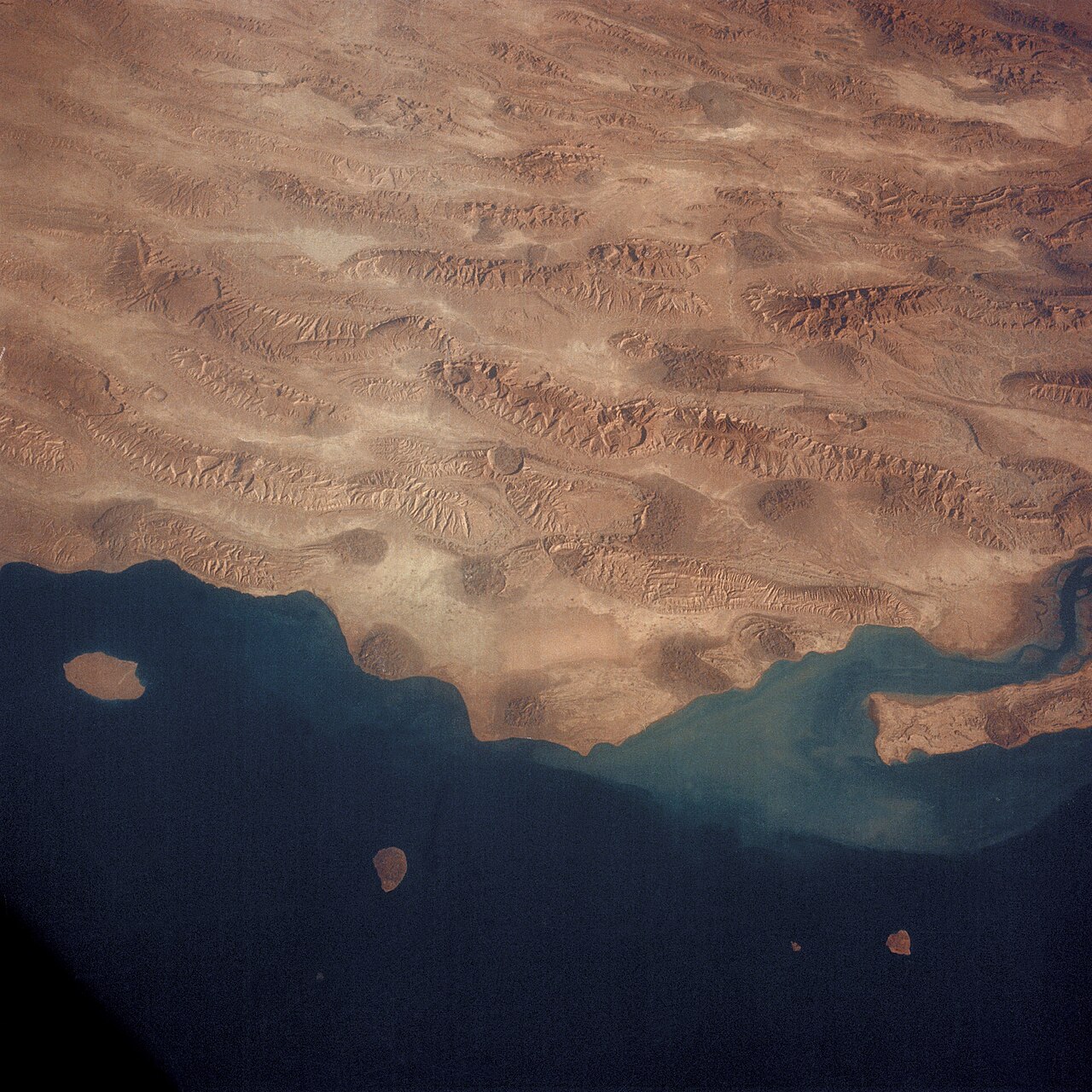
Why does Qeshm even matter? Because of what's sitting on it. An underground missile facility. A naval base. And it sits right inside the Strait of Hormuz, the lane that normally carries about a fifth of the world's oil. The US has hit this island before, and called it defensive — aimed at stopping Iran from going after ships in the strait.
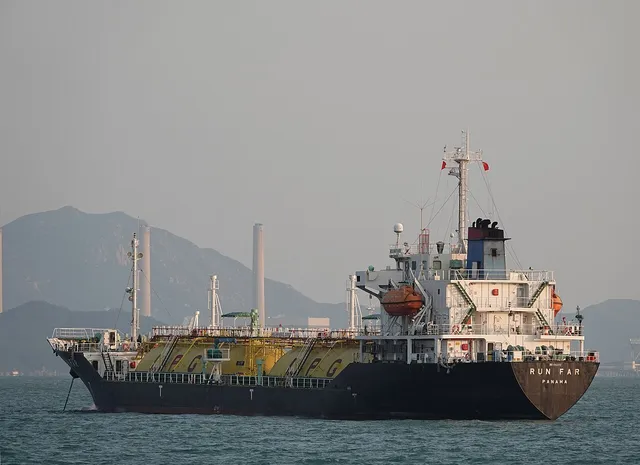
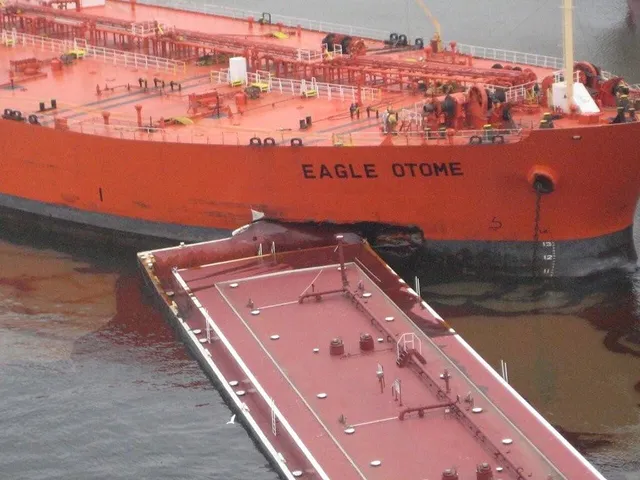
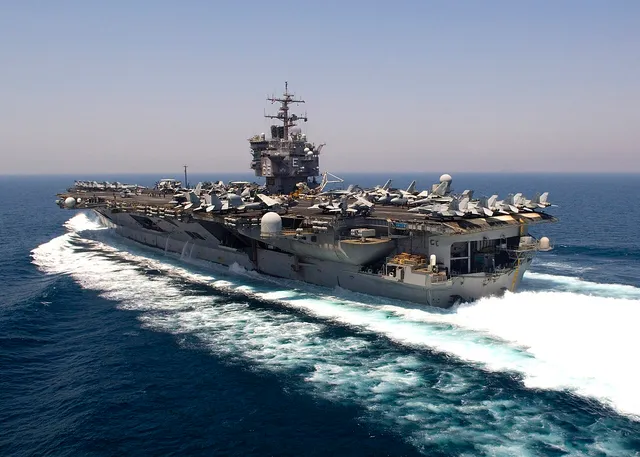
And that strait is already a battlefield. Since the war started in late February, Iran has tried to control who sails through Hormuz, and has gone after ships that didn't ask permission. The US answered with a naval blockade on Iranian ports and has been escorting tankers through. Last month, US Central Command said it had helped Gulf countries move 1.5 billion barrels of oil through the strait since the summer.
And on this same day, Iran's armed forces say three oil tankers hit naval mines trying to cross Hormuz — just weeks after the US said it had cleared every mine from the main routes.
So here's the real question. Is either side actually trying to stop this, or is every strike just setting up the next one? Iran hit Bahrain. Hours later, the US hit Qeshm. Neither side has said this is where it stops.