Saudi Arabia's oil heartland just got bombed and ships are sinking in Hormuz
2 hours ago · 15 October 2026Share
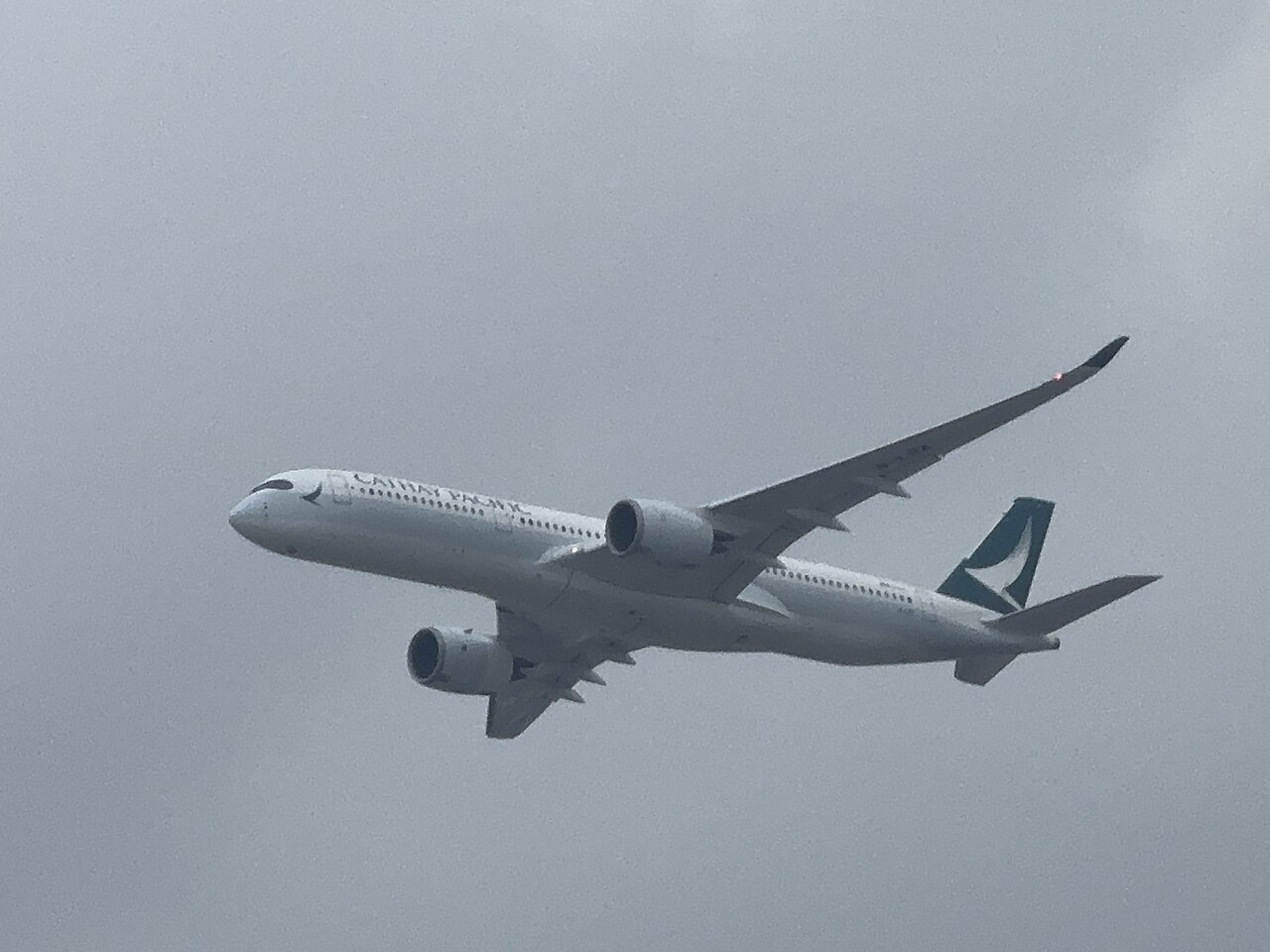
A Cathay Pacific aircraft on the tarmac at King Khalid International Airport in Riyadh. File photo. LN9267 · CC BY-SA 4.0
Yemen's Houthis say they just hit Saudi Arabia's Riyadh airport for the fourth time in a week.
And on the same day, two container ships have sunk near the Strait of Hormuz.
So let's start with Saudi Arabia.
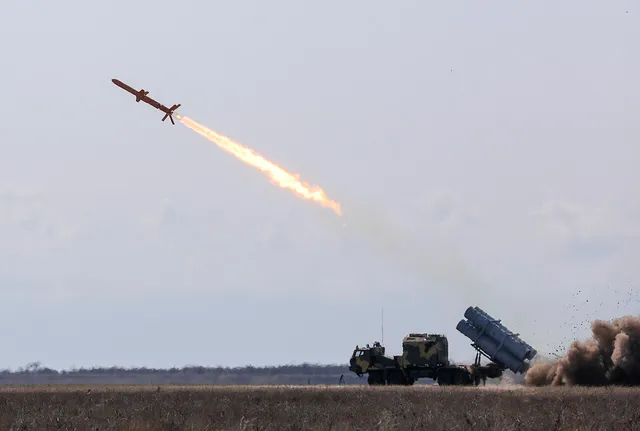
Yahya Saree is the Houthi military spokesman. He says Houthi forces hit three places today. King Khalid International Airport in Riyadh. Saudi Aramco's headquarters in Dhahran. And an Aramco refinery in Riyadh. He says they used ballistic missiles, cruise missiles and drones.
But Saudi Arabia tells a much smaller story.
Turki al-Maliki is the Saudi-led coalition's spokesman. He says forces shot down one ballistic missile aimed at Riyadh today. That's it. Saudi authorities have not confirmed that any of today's strikes actually landed.
So here's where things stand. The Houthis say three hits. Saudi Arabia says one missile, intercepted. Nobody outside Yemen and Saudi Arabia can say for sure which version is true.
What isn't in dispute is what happened the night before.
A fire broke out inside Aramco's headquarters in Dhahran, in Saudi Arabia's eastern province. A missile had hit the office tower. The fire spread across several floors. Saudi Arabia's energy ministry called it limited. Aramco kept working, with staff at home.
Now, the airport. King Khalid International Airport has been hit four times in a week.
The worst strike was four days ago. It was the deadliest attack on Saudi Arabia in a decade. Saudi Arabia's civil aviation authority says at least 12 people died. Four were Saudi nationals. Two were Bangladeshi. One each from the United States, Egypt, Jordan, Syria, Palestine and Sudan. Other reports since put the toll at 13 or 14. That number is still disputed. More than 300 people were wounded.
A further strike the next day killed one more person and wounded 11.
The airport has been shut ever since. The closure now runs until 17 October.
Saudi authorities are investigating why their own air defences failed to stop that deadly attack. An early inquiry found the Houthis sent drones first, to clear a path. Then fired cruise and ballistic missiles through the gap.
Turki al-Maliki called that attack a full-fledged war crime. He says the coalition will respond decisively. Hans Grundberg, the UN's special envoy for Yemen, says the strikes mark a serious escalation. Donald Trump, the US President, called the attack not acceptable. Asked if America would join Saudi military action, he said quote "We may. We're going to look at it."
The rest of this story is for members.
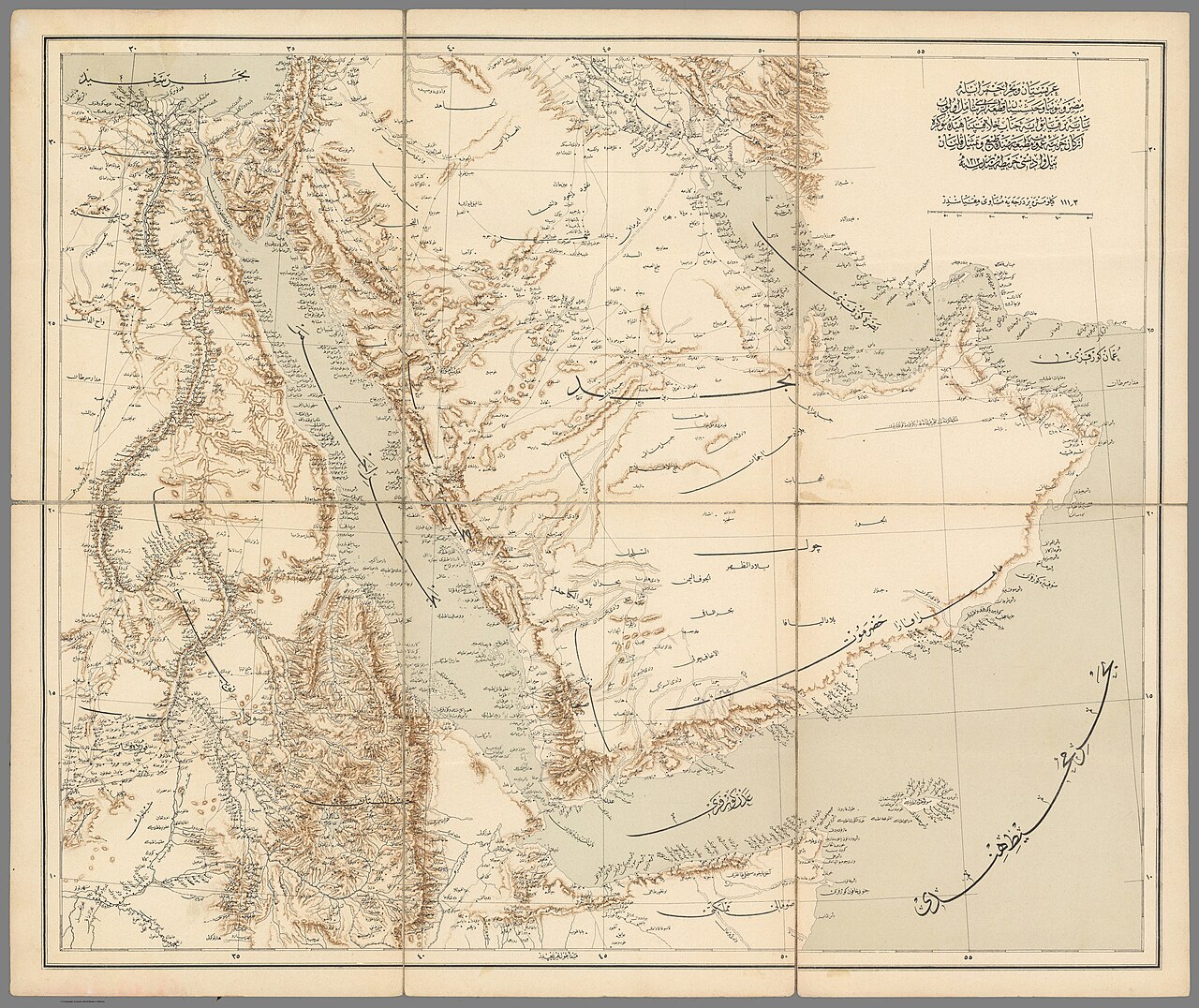
Map of the Strait of Hormuz and surrounding Arabian Peninsula from 1896. File photo. Erkan-I Harbiye-I Umumiye. [General Staff Of The Ottoman Army]. · Public domain
Now out to sea. Because it's just as contested there.
The Singapore-flagged container ship GFS Pride sank near the Strait of Hormuz today. It was hit by a projectile and caught fire. All 21 crew got off safely. Nobody was hurt. That's according to Singapore's Maritime and Port Authority. Pakistan's Hydrographer confirmed the sinking today, warning of containers floating in the water.
But Iran's Revolutionary Guard navy tells a different story. It says the ship hit a naval mine on an unauthorised route. No projectile at all. A maritime security firm, Marisks, says there is no independent evidence for the mine claim. It calls that an Iranian psychological operation.
And a second ship sank in the same stretch of water.
The Cape Dao, flagged to Antigua and Barbuda, was first hit by a projectile three weeks ago. One crew member died then. The rest got off safely. Now, after a failed rescue and salvage attempt, the ship has sunk near the strait. That's according to the maritime risk firm Vanguard and the International Maritime Organization.
So counted against IMO data, the GFS Pride and the Cape Dao are the second and third ships to sink since the US-Iran war began in February.
And they're not alone.
Twenty-three attacks on shipping near the Strait of Hormuz have happened since the start of October. That's almost double the monthly average since the war began. The data comes from Vanguard, the IMO and UKMTO. Six vessels were hit in a single day two days ago — the highest daily total of the war. Two seafarers are currently missing. Twenty-four have died near the strait since the war began.
So why now?
Barun Gupta is an analyst at Vanguard. He told AFP that oil flows through Hormuz have climbed back to around 80% of pre-war levels. He says the rise in attacks may be Iran showing it can still disrupt shipping. And raise the cost of that traffic. Especially while Donald Trump has promised no new strikes on Iran before the US midterm elections.
There's one more thing sitting alongside all this, and it's unconfirmed.
Haaretz reports that Israel's Prime Minister, Benjamin Netanyahu, asked Saudi Arabia, through American mediation, to let Israel join the Saudi-led campaign against the Houthis. It says Saudi Arabia's Crown Prince, Mohammed bin Salman, turned it down. Over fears of a backlash at home. Saudi authorities have not confirmed any of it.
So here's the picture today. A Houthi campaign that has grown from one airport to Aramco's headquarters and a refinery. A Saudi account that confirms far less of it. Two ships at the bottom of the sea with disputed causes. And the Strait of Hormuz seeing more attacks than at any point in this war.
What nobody has confirmed yet: how much of today's claimed damage is real, how the ships actually sank, or what America does next.
Nothing here was paid for by an advertiser. Members are the entire business model. Bronze is where it starts, and it opens the last seven days in full.