Russia is preparing to put a nuclear weapon into orbit
1 day ago · 23 November 2026Share
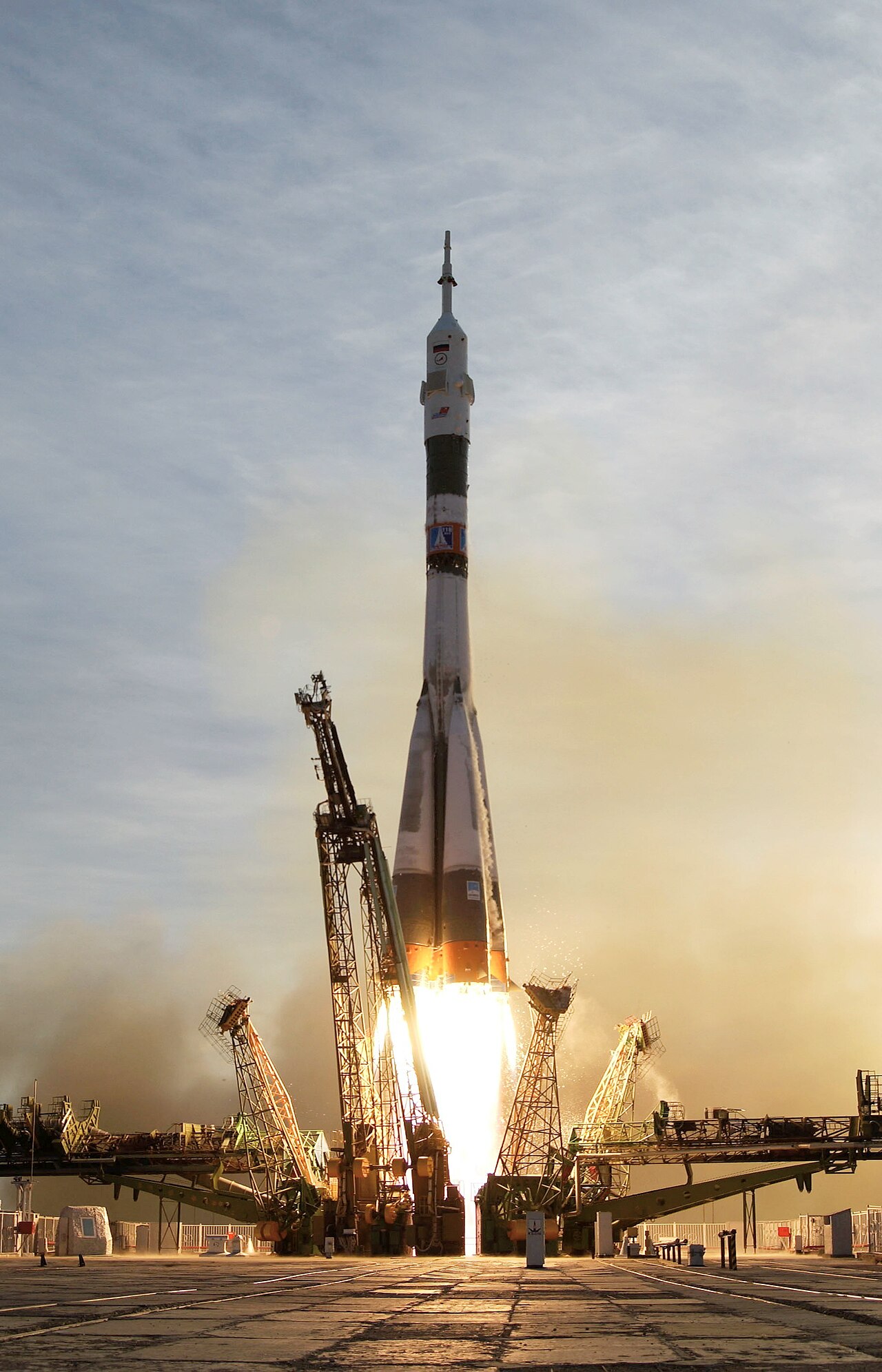
The Soyuz TMA-5 spacecraft launches from the Baikonur Cosmodrome in Kazakhstan on October 14, 2004. File photo. Bill Ingalls · Public domain
Western intelligence agencies now believe Russia is close to launching a nuclear-armed satellite into orbit.
No country has ever done that.
So where's this coming from? Germany's military and its foreign intelligence service, the BND, looked into it. The work is based on an investigation by German broadcasters WDR and NDR and the newspaper Süddeutsche Zeitung.
And here's the headline number. Intelligence warnings shared among several NATO countries in early November said the satellite could launch within 60 days.
Germany's Bundeswehr Space Command puts a possible launch as early as December.
The satellite is called Sputnik-S.
It's reportedly already built. It's been sitting in launch-ready condition in the Moscow region for years.
But this isn't a brand new suspicion.
The US Defense Intelligence Agency put out a report in late October called "Challenges to Security in Space 2026". Third report in that series. It says Russia is developing a satellite designed to carry a nuclear weapon.
That report reflects information from July.
And here's the part that matters. The DIA has not confirmed Russia has actually put a nuclear weapon into orbit. It says the system is still under development.
So what's actually new here? Not the programme. Western agencies have been watching it for months.
What's new is the timing. Weeks, not years.
Now, putting a nuclear weapon in orbit breaks the 1967 Outer Space Treaty. That treaty bans placing nuclear weapons or any other weapons of mass destruction in orbit around Earth. Russia signed it.
And Russia has already shown where it stands on this. In 2024 it vetoed a UN resolution calling on states to hold off developing nuclear or other weapons of mass destruction in space.
So why does this particular weapon worry space commanders more than almost anything else in their job?
The rest of this story is for members.
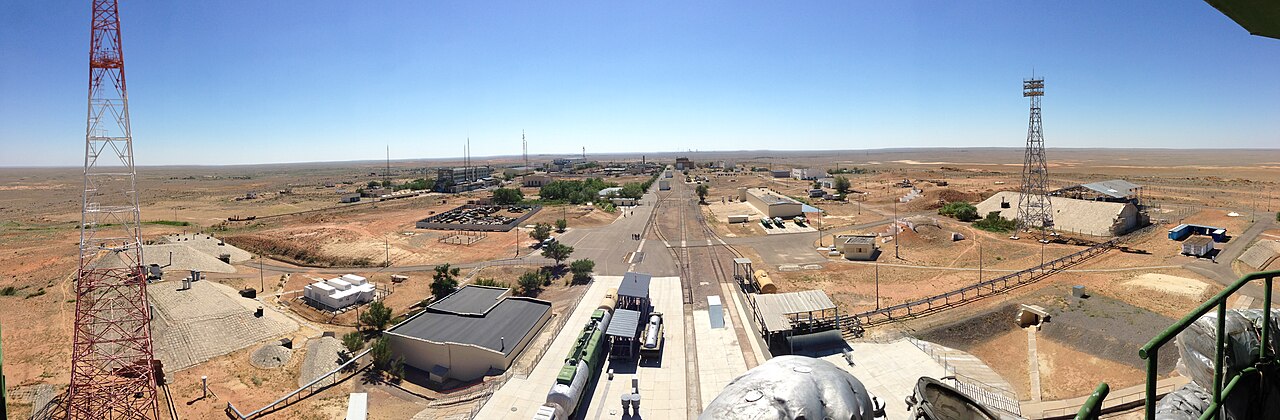
A view of Site 31/6 at the Baikonur Cosmodrome as seen from the top of the Soyuz support structure. File photo. Paulsday86 · CC0
Stephen Whiting runs US Space Command. In plain terms, he says once an armed satellite is in orbit, there's basically nothing anyone can do to stop it going off.
And if it does go off? He says around a third of all satellites in low Earth orbit would fail within hours or days. The rest would gradually fail over the following months.
That's not just military hardware up there. Low Earth orbit carries the satellites behind GPS, banking, mobile networks, weather forecasting.
A detonation would also throw out a debris cloud and an electromagnetic pulse. That pulse could knock out power grids and communications on the ground.
Major General Armin Fleischmann, of Germany's Cyber and Information Domain Service, has warned about exactly that. Power outages. Disruption to navigation and communications.
His answer isn't to spend heavily shielding satellites physically. He wants Germany to build what he calls "counterspace capabilities" of its own.
Germany's Defence Ministry won't answer specific questions on any of this. It says the briefings involved are confidential.
But Bundeswehr experts have briefed Boris Pistorius, Germany's Defence Minister, and other government officials on the Sputnik-S assessment.
Russia denies all of it.
Its embassy says it has no information about the plans described. It's calling the reports a propaganda campaign, and says its space activities are exclusively peaceful.
And this isn't the first time this programme has surfaced in public either. In February 2024, the US congressman Mike Turner raised concerns about a serious national security threat that was later linked to a Russian space weapon. The Kremlin called that a malicious fabrication at the time.
There's one possible clue sitting in orbit already. Kosmos-2553, a Russian satellite launched in February 2022, may have been used to test radiation effects relevant to a nuclear weapon system. That's according to Western assessments.
So what don't we know?
The exact launch date. Whether Sputnik-S is actually finished and operational, or still being finalised. And whether December is a firm assessment, or just the outer edge of what NATO planners think is possible.
If Sputnik-S does reach orbit armed, the treaty built to stop exactly this will have failed.
And by the time anyone can confirm the warhead is real, there will be nothing left to do about it.
Nothing here was paid for by an advertiser. Members are the entire business model. Membership opens everything we have ever written, our investigations first, the guides and the films, for $4.99 every 28 days or $19.99 a year.