Russia just offered Trump's own negotiators a cut of its oil company
1 hour ago · 3 October 2026Share
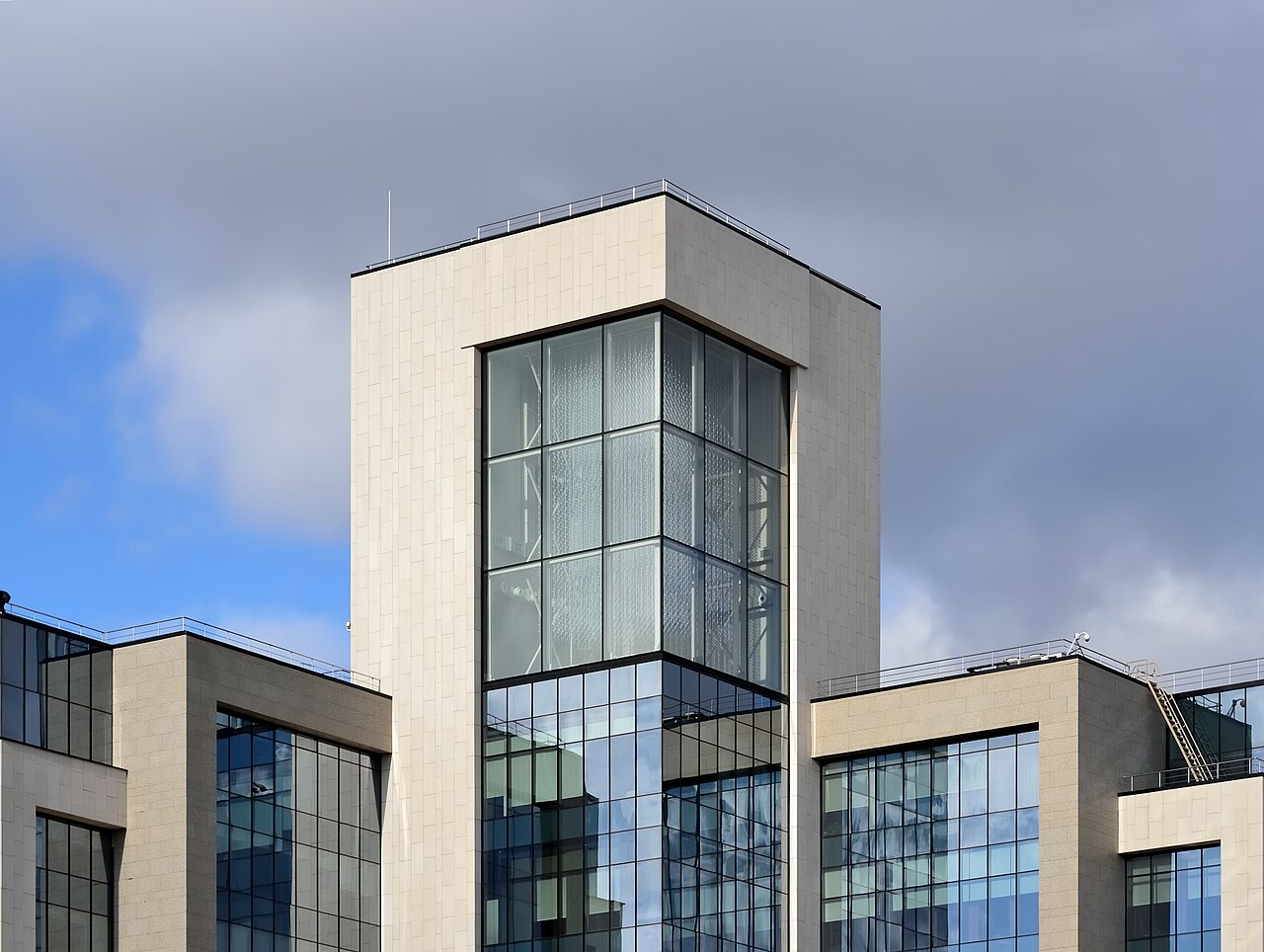
The Lukoil headquarters building in Moscow, viewed from Turgenevskaya Square. File photo.Dmitry Ivanov . · CC BY-SA 4.0
America and Russia are now talking about a business deal, right in the middle of ending the war in Ukraine.
And the buyers lined up for it are tied to two of Donald Trump's own negotiators.
The New York Times reported this a few hours ago, citing eight people who know the talks.
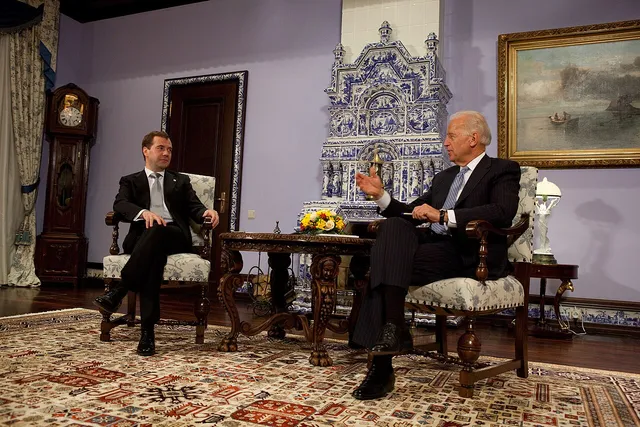
So here's what happened. Vladimir Putin, Russia's President, brought up the deal himself. He raised it in a meeting with Steve Witkoff and Jared Kushner at the Kremlin, about four weeks ago.
Steve Witkoff is America's special envoy leading the Russia talks. Jared Kushner is Donald Trump's son-in-law, and he's at the table too.
Putin told them this deal would show ordinary Russians that business with America could start again.
So what's actually for sale? Lukoil's international business. Oil fields, refineries, petrol stations, all over the world. Oil fields in Cameroon. Refineries in the Netherlands, Bulgaria and Romania. Petrol stations in New Jersey. Earlier this year, that whole portfolio was valued at around $20 billion.
So who's buying it?
First, Todd Boehly. He's an American billionaire investor, and he co-owns the Los Angeles Dodgers. Boehly gave $1 million to the pro-Trump group MAGA Inc last December. Then another $1 million, through his firm Eldridge Industries, to Donald Trump's inauguration.
Then there's a Qatar-based conglomerate run by two brothers, Moutaz and Ramez Al-Khayyat. They were at Donald Trump's 2025 inauguration. And they've already worked with Jared Kushner and Ivanka Trump before, on a luxury resort project in Albania.
And then there's an Abu Dhabi investment fund. It's controlled by Sheikh Tahnoon bin Zayed Al Nahyan, the UAE's national security adviser. A separate fund under the same man has already bought into World Liberty Financial. That's the Trump family's cryptocurrency company. Steve Witkoff co-founded it. He's since sold his stake, a person close to him says.
On top of all that, the US International Development Finance Corporation wants in too. That's an actual arm of the US government.
A senior administration official says Witkoff and Kushner helped negotiate the money terms. And those terms include, in the official's words, quote "a substantial upfront payment and profits interest for the United States".
The rest of this story is for members.
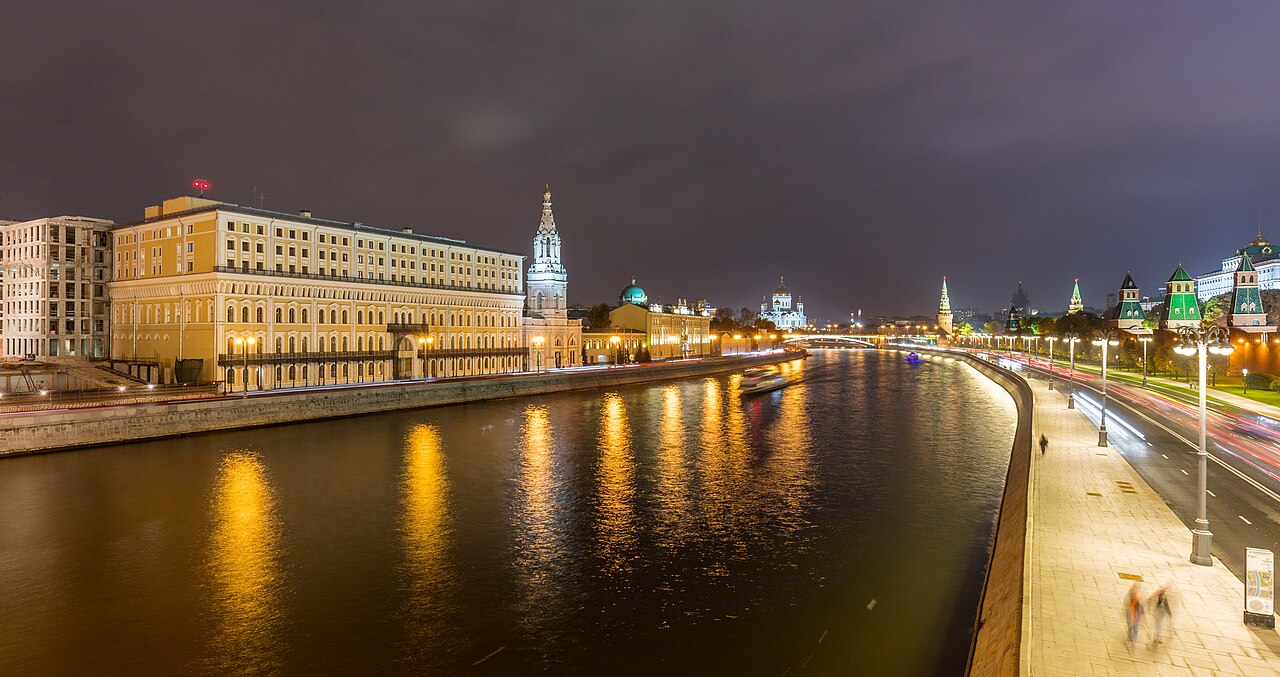
The Moskva River in Moscow at night, with the headquarters of Rosneft, a major Russian energy company, visible in the center. File photo. Diego Delso · CC BY-SA 4.0
So think about that. The US government, positioned to take a cut of a Russian oil company. Negotiated by the same two men sitting across the table from Putin.
Now, there's no sign that Witkoff or Kushner personally profit from any of this. A representative for Witkoff says he has no conflict of interest and no financial stake in the matter.
But the connections have drawn criticism anyway. Hui Chen is a former Justice Department prosecutor and ethics adviser. She calls it quote "an alarming and very concerning set of entanglements".
And here's what approval would actually do. It wouldn't just hand the buyers a company. It would lift these assets out of American sanctions completely. Which could make them worth even more.
This isn't even the first attempt to buy Lukoil's assets. Back in January, the private equity firm Carlyle reached a tentative deal for a large share of the same business. US approval never came. Separately, the Treasury Department turned down an offer from the Swiss trader Gunvor. It said no sale gets approved while Putin keeps fighting in Ukraine. Chevron has gone after the portfolio too.
Lukoil itself has hired Bryan Lanza as a Washington consultant. He used to be a senior adviser on Donald Trump's 2024 campaign. He reportedly doesn't work for Lukoil any more.
Witkoff and Kushner's argument is simple. Rebuild economic ties with the West, and Putin might compromise on Ukraine. Russia's economic envoy, Kirill Dmitriev, has been working that same angle. He travelled to New York and Washington last month.
But people inside the Ukrainian government don't expect Putin to negotiate seriously until at least spring. And Ukraine hasn't said anything about the Lukoil deal itself.
The deal still needs formal sign-off from both the US government and the Kremlin. It isn't final. The Treasury Department keeps extending the sanctions licence that lets these talks continue. The latest extension runs to 29 October.
The White House, the Treasury Department and Lukoil didn't respond to requests for comment outside normal business hours.
So what don't we know? The actual price. The structure of the deal. Whether it's tied to any military concessions from Ukraine. Whether Congress signs off on what's needed to finish it. And Putin hasn't given a formal response.
A war that was supposed to end with troops and borders. Now it's also a business deal. With two of Donald Trump's own negotiators sitting right next to the buyers.
Nothing here was paid for by an advertiser. Members are the entire business model. Bronze is where it starts, and it opens the last seven days in full.