Russia is going to start sending America diesel fuel again.
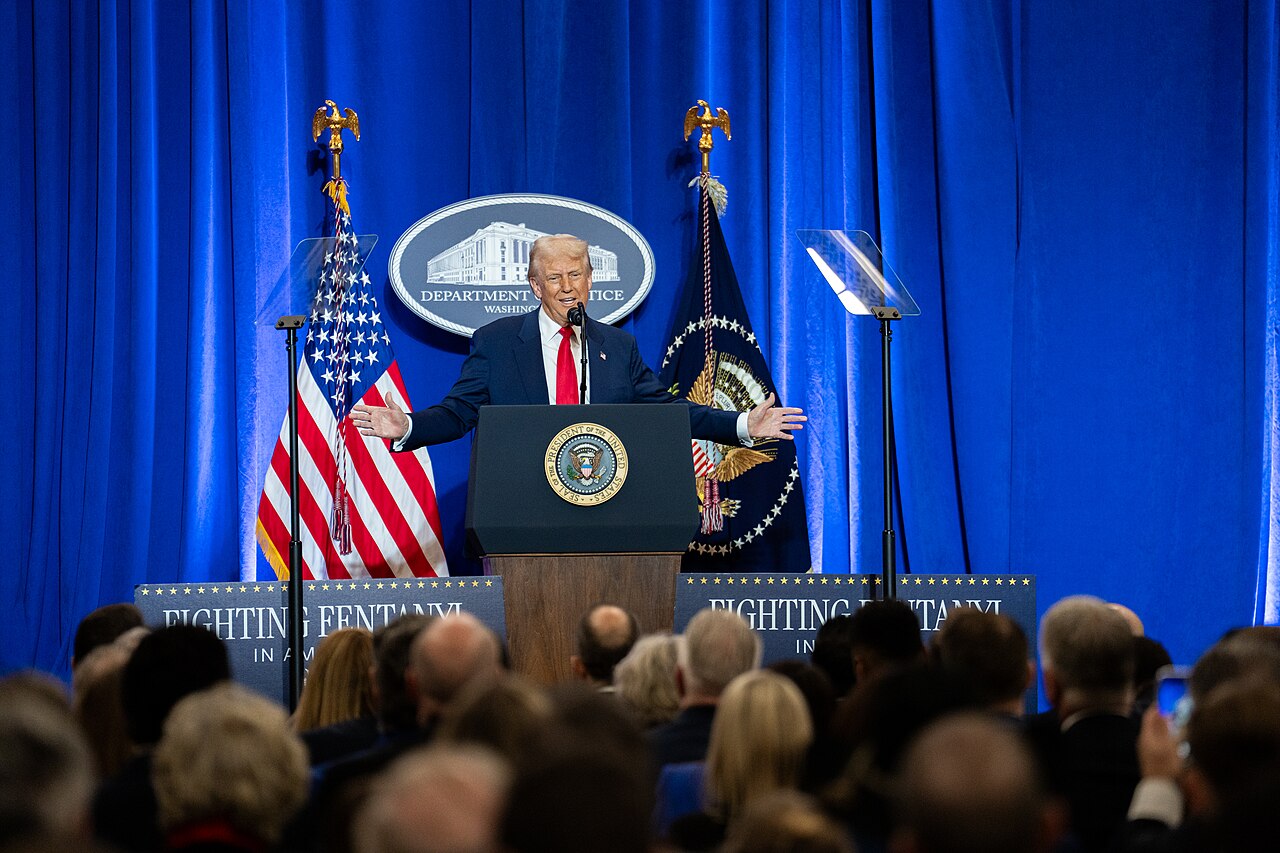
Trump posted it on Truth Social a few hours ago. Over 300,000 tons, right away. Another 500,000 tons in November. Then a million tons after that. And maybe 3 million more on top, depending on how Russia's refineries are doing.
And here's the fast part. About twenty minutes after Trump's post, the US Treasury acted. Its sanctions office issued a licence letting Russian diesel be sold, shipped and brought into the global market. That licence runs until just after midnight on 7 April 2027.
So how did this deal even happen? Trump says he was on the phone with Putin. And reporters covering that call say it was actually supposed to be about a suspected plague case in Russia. Not diesel at all.
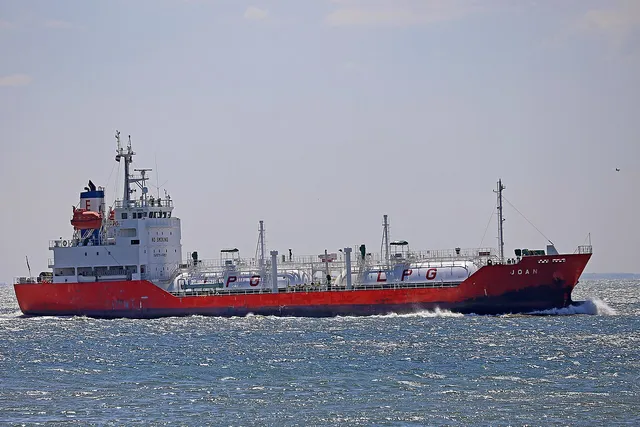
Now here's why the timing is strange. Trump signed a tough new sanctions law last month. It targets Russian banks, Russian officials, Russia's shadow fleet of oil tankers. Countries still buying Russian oil and gas were threatened with tariffs of up to 100 per cent. That law is due to kick in on 19 October.
Trump has just waived part of it before it even started.
So why would he do that? Diesel prices in America have been climbing fast. The national average hit $6.28 a gallon earlier this week. That's down a bit from a record $6.53 a couple of weeks ago. But a year ago, it was $3.68. And Trump has midterm elections coming next month. Fuel prices are the kind of thing people notice every single week.
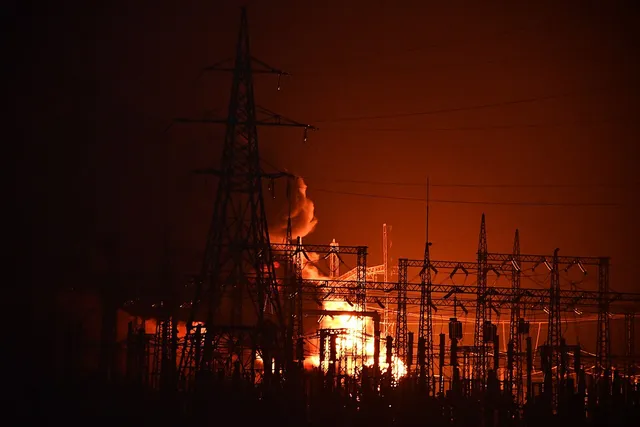
Part of the squeeze is Ukraine's doing. Kyiv has spent months bombing Russian refineries. Ukraine's defence ministry says those strikes have knocked more than half of Russia's refining capacity offline. Russia hit back by banning its own diesel exports back in July, and it has now extended that ban through the end of this month. On top of that, Iran and the Houthis have been hitting refineries in the Middle East too. So supply is tight everywhere.
Trump says his deal fixes it. He wrote that between what he called controlling the Strait of Hormuz and this new Russia agreement, prices would come down quote "in record numbers, and fast".
The rest of this story is for members.
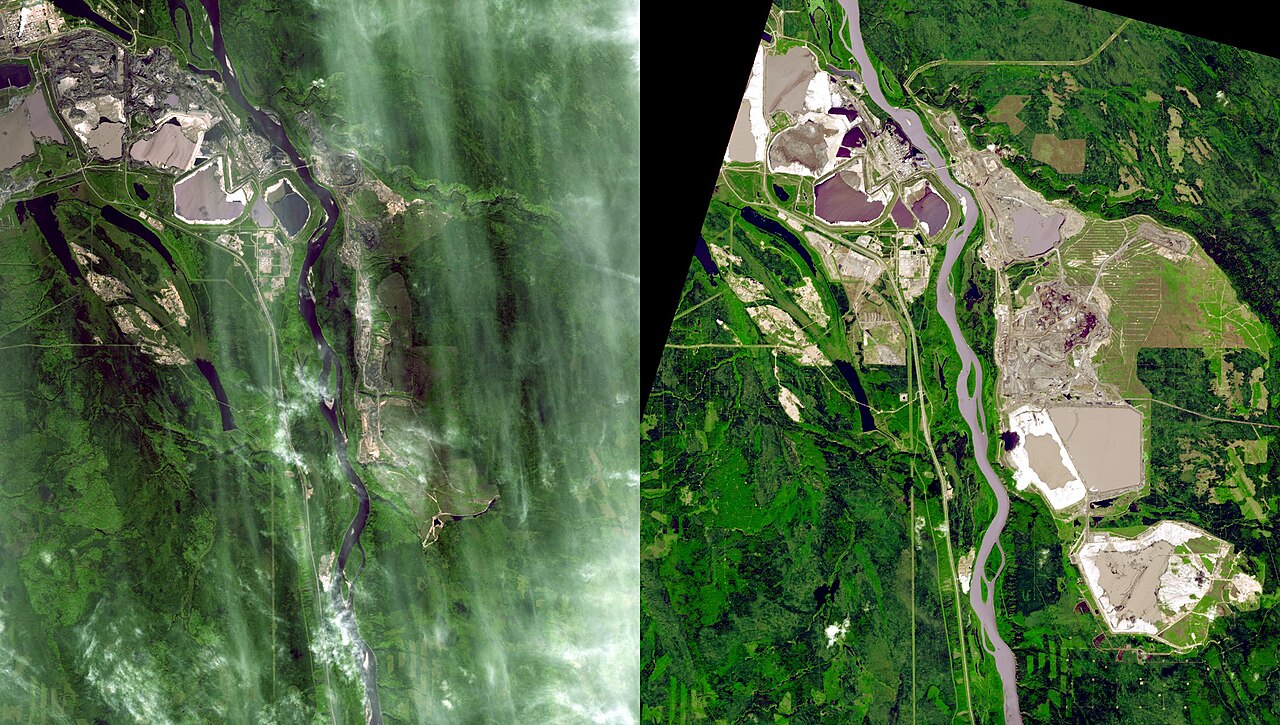
Contains modified NASA ASTER satellite imagery of open pit mines near Fort McMurray, Alberta, Canada, showing oil sands operations that produce diesel fuel. File photo. NASA/METI/AIST/Japan Space Systems, and U.S./Japan ASTER Science Team · Public domain
But pump prices hadn't actually moved as of earlier today. European diesel futures did drop 4 per cent right after the announcement. They're still 135 per cent higher than at the start of the year.
Kirill Dmitriev is Russia's presidential envoy. He reposted the Treasury's announcement and said Russia-US cooperation on diesel and energy will benefit the world.
And here's the part that makes this really complicated.
Right now, in Miami, American envoys Steve Witkoff and Jared Kushner are sitting down with Ukrainian negotiators. Kyrylo Budanov, Rustem Umerov, Serhiy Kyslytsia and Davyd Arakhamia are all there. So are national security advisers from Britain, France and Germany, plus officials from NATO and the EU. They're working through new proposals to end the war. One idea on the table: a partial ceasefire on strikes against energy sites and grain shipments. Ukraine says it's open to it. Russia hasn't shown much interest.
Volodymyr Zelensky wasn't consulted on the diesel deal. And he's angry about it. He called giving Russia sanctions relief outside a lasting de-escalation deal an obvious weakness. He warned Russia quote "will repay the diesel with further terror and perfidy".
Zelensky says Ukraine has already told Witkoff and Kushner it's ready to match Russia. Ukraine would stop striking Russian refineries, if Russia stops destroying Ukraine's power grid.
So Ukraine is offering to trade away the exact pressure that forced this whole deal into existence. For Russia simply doing the same thing back.
The Ukrainian outlet Kyiv Independent reports, citing American and Ukrainian officials, that Russia is also pushing for sanctions relief tied to an energy-infrastructure truce. And possibly for its frozen assets abroad to be released too.
A Russian strike on buses killed 30 people in Kramatorsk the day before the Miami talks began.
So what don't we know? Whether this licence has any real limit before April 2027. Whether Congress pushes back on sanctions relief handed out before its own law even started. Whether diesel at the pump actually gets cheaper the way Trump has promised. And how Russia's negotiators in Miami plan to enjoy a sanctions win from a side deal, while still refusing a truce on the very refineries that caused this shortage in the first place.
Nothing here was paid for by an advertiser. Members are the entire business model. Bronze is where it starts, and it opens the last seven days in full.