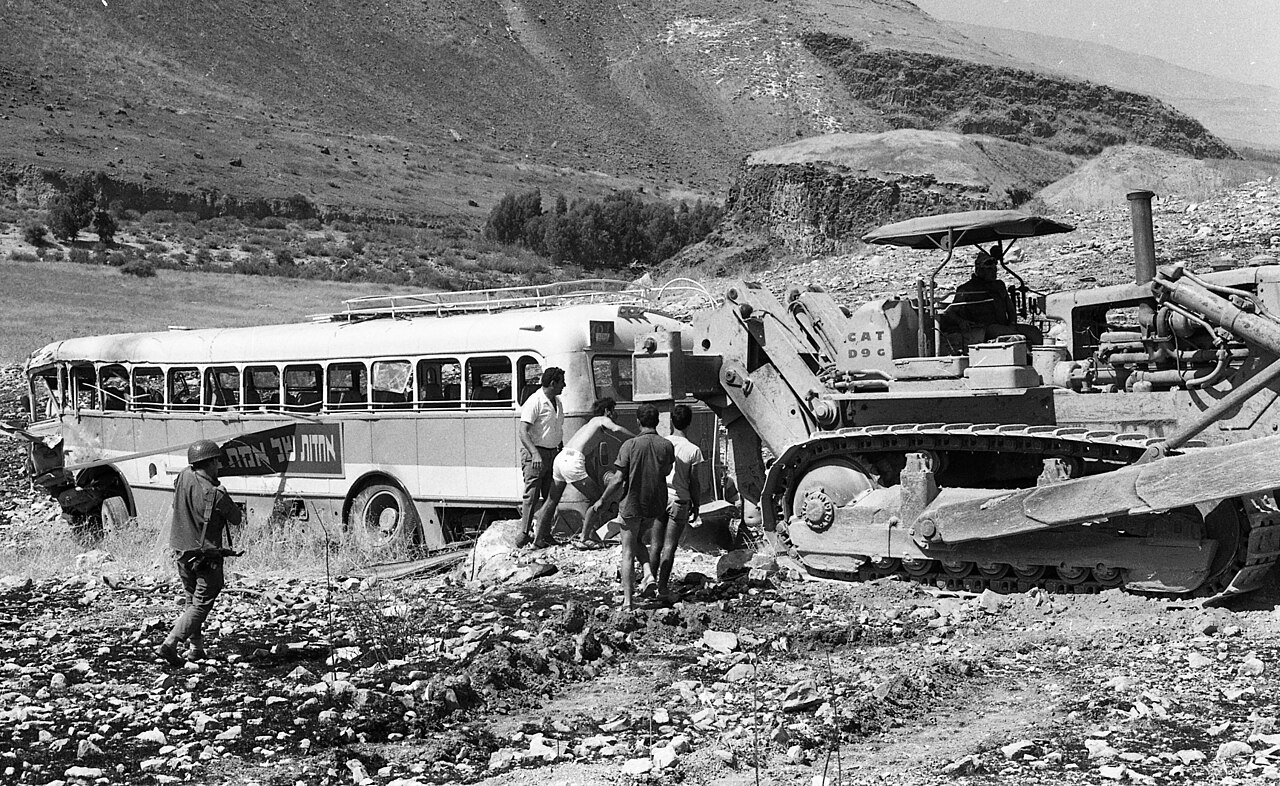
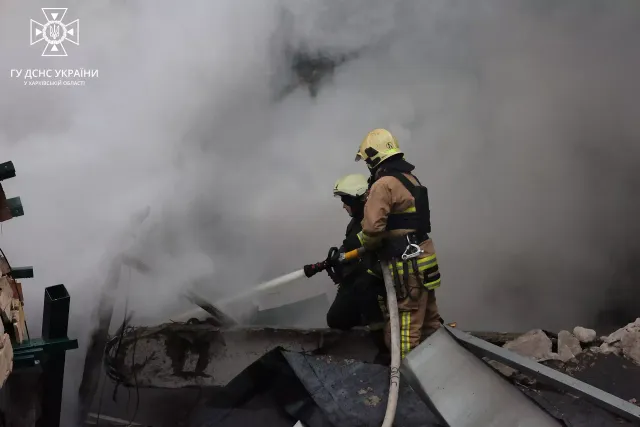
The prosecutor's office says a UMPB D-30 SN glide bomb likely hit the buses. Ukraine's national police have told France 24 the same thing.
Vadym Filashkin, the Donetsk Oblast Governor, has shut down public transport in Kramatorsk and nearby Sloviansk. A war crimes investigation is now open.
That's everything we know.
Why this mattersSo why Kramatorsk?
It's one of the two biggest cities left in Donbas that Ukraine still holds. The other is Sloviansk.
It sits about 15 kilometres from the front line. Drones and artillery hit it all the time.
But this city matters for more than just where it sits.
Kramatorsk has been a supply hub for the Ukrainian army for most of this war. It's part of what's called the fortress belt — a line of cities Ukrainian troops are fighting hard to keep. Russian forces have been pushing closer to the city's eastern edge for weeks. Officials have been telling the people still there to leave.
Vadym Filashkin says quote "deliberately striking civilians".
He says a bus full of people is a good target for Russia for one reason. One strike, lots of deaths.
That's Ukraine's own regional governor saying this was done on purpose, not by accident.
Kramatorsk City Council says there was clearly no military target where the buses were hit. Just a scheduled bus. Ordinary people going about their day.
Russia has said nothing. Not a claim, not a denial.
And this isn't a one-off. A day before this strike, a Russian missile hit an apartment block in Ukraine's northern Chernihiv region. 22 people died there, including five children.
So here's what we still don't know. The final death toll is still moving. Meduza's number of 33 hasn't been matched anywhere else. The exact weapon is still only "likely" confirmed. And Russia hasn't explained, or even acknowledged, why two passenger buses were hit.