Russia just arrested a Swede and a Japanese journalist in one week
1 hour ago · 15 October 2026Share
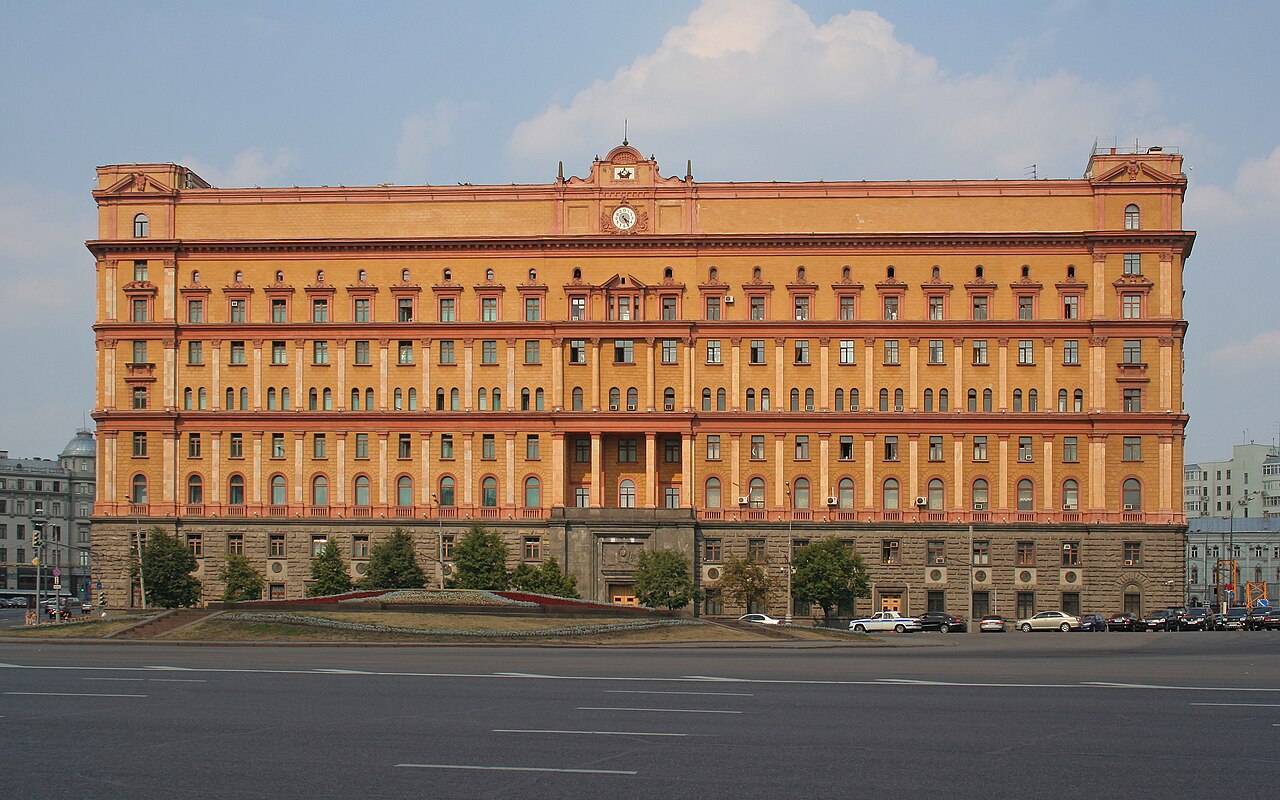
The Lubyanka building, former KGB headquarters, in Moscow. File photo. A · CC BY-SA 3.0
Russia's FSB has arrested a Swedish man and accused him of fighting for Ukraine and plotting sabotage inside Russia.
And this is the second foreign national Moscow has arrested on war-related charges in one week.
So here's what happened. The FSB says the man entered Russia a few hours ago pretending he wanted to join the Russian army. He was caught in the Sebezhsky district of the Pskov region, right by Russia's borders with Latvia and Belarus.
Russian state media then released a video of him. In it, he gives his name as Freddy Lindholm, from Stockholm, and says he came to Russia to use first-person-view drones for terrorist attacks and sabotage.
But here's the thing. The FSB itself hasn't released his name. It only comes from what he said on camera. So his identity isn't actually confirmed by anyone else yet.
His relatives told Swedish broadcaster SVT he's 35, from the Stockholm area, and fought for Ukraine for about six months before going home. Then he went back to Russia recently.
The FSB says he commanded a drone squad in Ukraine's 24th Separate Assault Battalion from February to June this year. Russia has labelled that unit a terrorist organisation.
But in his own video statement, he names a different unit. He says he signed a contract in Ternopil, Ukraine, with the Aidar Battalion, and trained there on FPV drones for surveillance. Nobody has explained why the two names don't match.
Russia has opened a criminal case against him for illegally crossing the border. The FSB says it also plans a second case, for organising the activities of a terrorist group and for mercenarism. No terrorism charge has actually been filed yet.
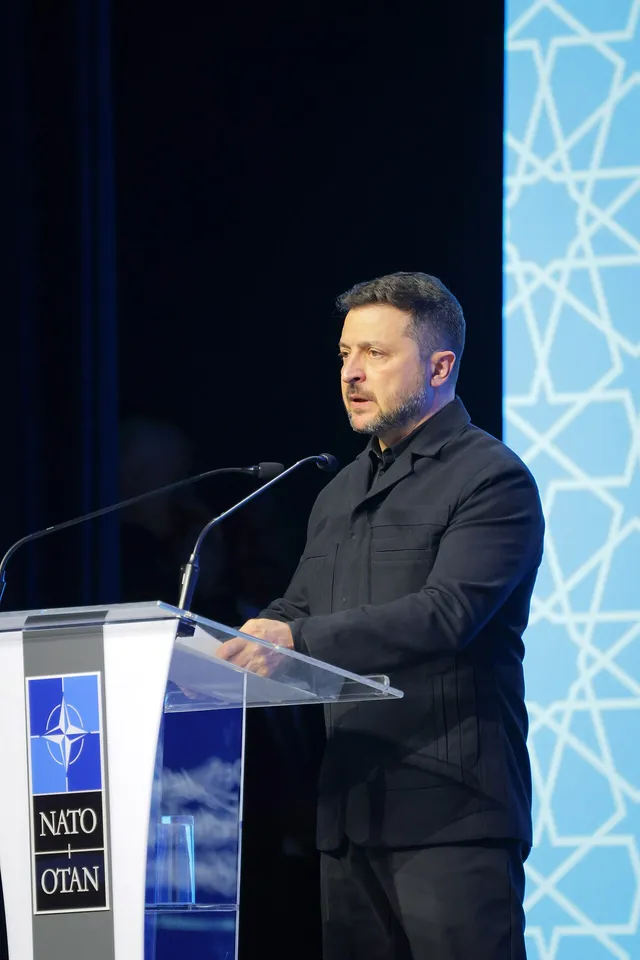
Sweden's Prime Minister, Ulf Kristersson, spoke about it at the EU summit in Brussels. He said these were so far just media reports, and that Sweden would find out what was happening through its embassy in Moscow. Sweden's Foreign Ministry says it knows about the reports but isn't working the case yet. And there's been no comment from Ukraine at all.
Now here's why this isn't a one-off.
Two days ago, Russia detained Yuki Imai, a 34-year-old Japanese journalist for the Hokkaido Shimbun newspaper. He was picked up in Yuzhno-Sakhalinsk, in Russia's Sakhalin region, the day before he was due to leave the country, then flown straight to Moscow.
The rest of this story is for members.
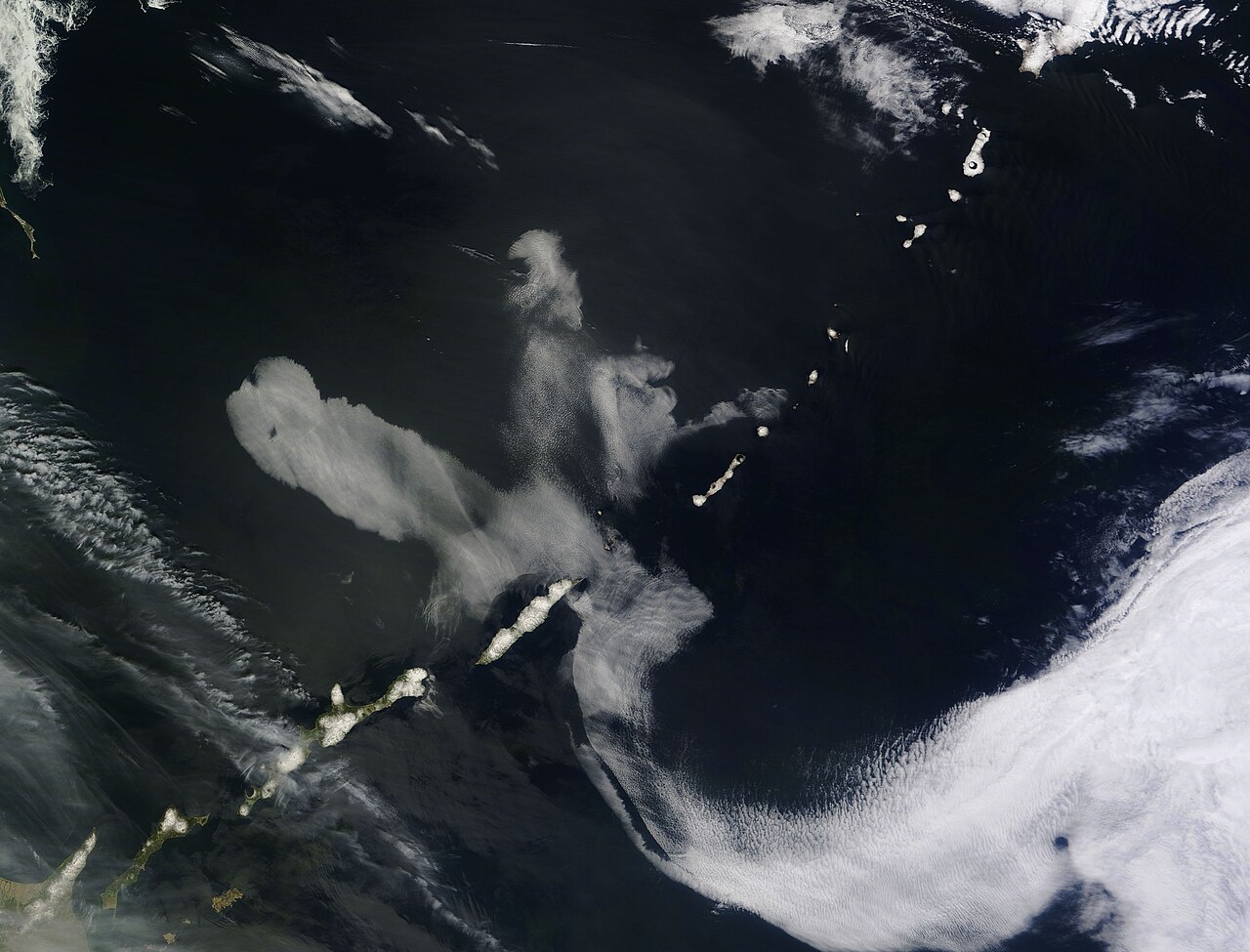
Contains modified NASA Terra MODIS satellite data showing the Kuril Islands on May 12, 2015. File photo. Terra MODIS satellite from NASA · Public domain
The FSB says he was working on assignment from Japanese intelligence, gathering numbers on how many people from the Kuril Islands had been mobilised or had volunteered to fight in Ukraine.
A Moscow court, Lefortovo District Court, has ordered him held until 12 December. The charge is espionage, under Article 276 of Russia's criminal code. That carries up to 20 years in prison.
Maria Zakharova, the spokeswoman for Russia's Foreign Ministry, says Japan using accredited journalists to gather information that undermines Russia's security is not an isolated case. She called it regrettable.
Japan's Prime Minister, Sanae Takaichi, says there is no truth to the spying claim at all. She says laws differ between countries, the charges aren't clear yet, and Japan will firmly tell Moscow where it stands.
Japan's Chief Cabinet Secretary, Minoru Kihara, says the government still hasn't been able to contact Yuki Imai, and is trying to get consular access. Japan's Foreign Minister, Toshimitsu Motegi, has asked Russia for quick information and for what he calls fair and humane treatment.
The Committee to Protect Journalists wants him released immediately. Its Europe and Central Asia director, Fiona O'Brien, says journalists must not be used as leverage in bigger political disputes. The group says Russia is currently holding at least 30 journalists over their work.
And there's context behind all of this.
Two months ago, Vladimir Putin visited Iturup Island in the Kuril chain. Sanae Takaichi called that absolutely unacceptable at the time. Japan summoned Russia's ambassador and filed a formal protest. Then last week, her government approved more sanctions on Russia, including wider export bans and asset freezes tied to its military.
So Russia has done this before. Wall Street Journal reporter Evan Gershkovich was accused of espionage in 2023, got 16 years, and was freed in a prisoner swap with Western countries in 2024.
And the last time Russia detained a Japanese journalist on spying allegations, back in 2019, he wasn't even prosecuted. He was accused of trying to get secret military material from the Far East, and simply expelled.
So what don't we know? Whether Sweden or Japan will push hard for consular access. Whether NATO or other Western governments will demand either man's release. And whether Russia plans to use either of them in a prisoner exchange down the line.
No terrorism charge has been filed against the Swedish man yet. And his identity still rests on nothing but his own recorded words.
Nothing here was paid for by an advertiser. Members are the entire business model. Bronze is where it starts, and it opens the last seven days in full.