Israel just ordered its own soldiers prosecuted for exposing Gaza killings
1 hour ago · 13 October 2026Share
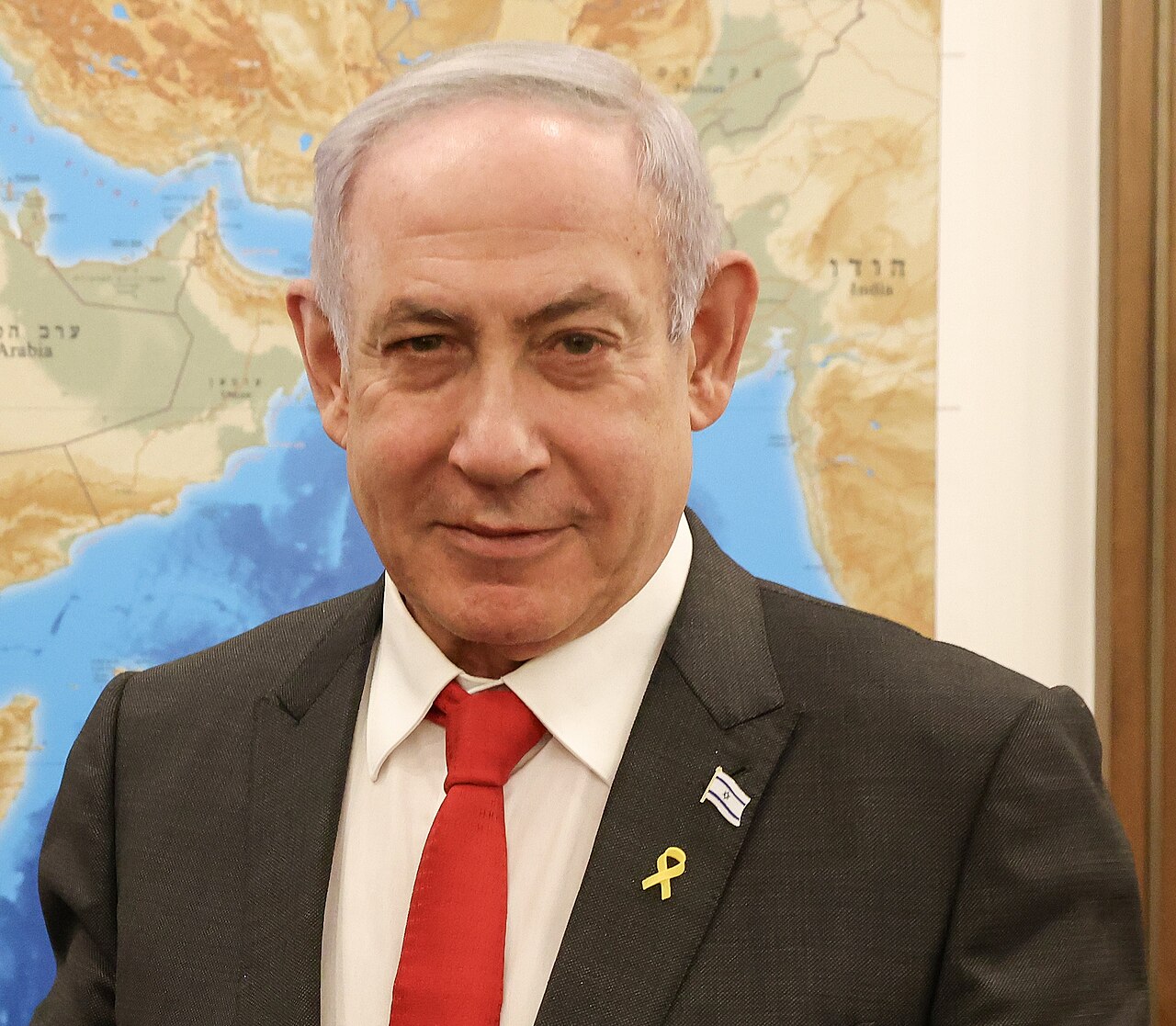
Benjamin Netanyahu, January 24, 2024. UK Government · CC BY 2.0
Benjamin Netanyahu just told his own security services to hunt down anonymous soldiers.
And then prosecute them.
These are soldiers who spoke to a documentary about Gaza. Anonymously. The usual way whistleblowers talk to journalists.
So here's what happened. Three days ago, a letter went out dated 11 October. It went to three people. Eyal Zamir, the IDF's Chief of Staff. David Zini, the head of the Shin Bet. And Gali Baharav-Miara, Israel's Attorney General.
The order inside it: find out who these soldiers are. And prosecute them.
The documentary is called NAZA. Its title is actually a Hebrew military term, for the number of civilians a strike is expected to kill.
24 anonymous soldiers and intelligence officers gave testimony for it. Some came from Unit 8200, Israel's signals-intelligence unit. They describe the systematic use of AI to pick targets in Gaza. And the civilian deaths that followed.
Netanyahu wants every one of them identified. And charged.
His letter accuses them of serious information security offences, criminal defamation, and harming Israel's diplomatic and security interests. He wrote that the film presents a false, misleading and biased narrative that defames the State of Israel and the IDF around the world and severely damages Israel's standing.
He also wrote there is concern the soldiers exposed highly classified information and breached the security of a highly sensitive intelligence unit.
So think about what that actually is. A head of government, ordering his own security services to unmask people who spoke to journalists anonymously. Then prosecute them for it.
The IDF has already moved on this. Eyal Zamir called the film an attack on the State of Israel. He said the military will not allow IDF soldiers to be made targets through lies and blood libels. He has told Military Intelligence, the IDF's legal corps and the air force to find everyone who appeared in the film. And work out if they're active-duty, career officers, or reservists.
But here's the twist.
The rest of this story is for members.
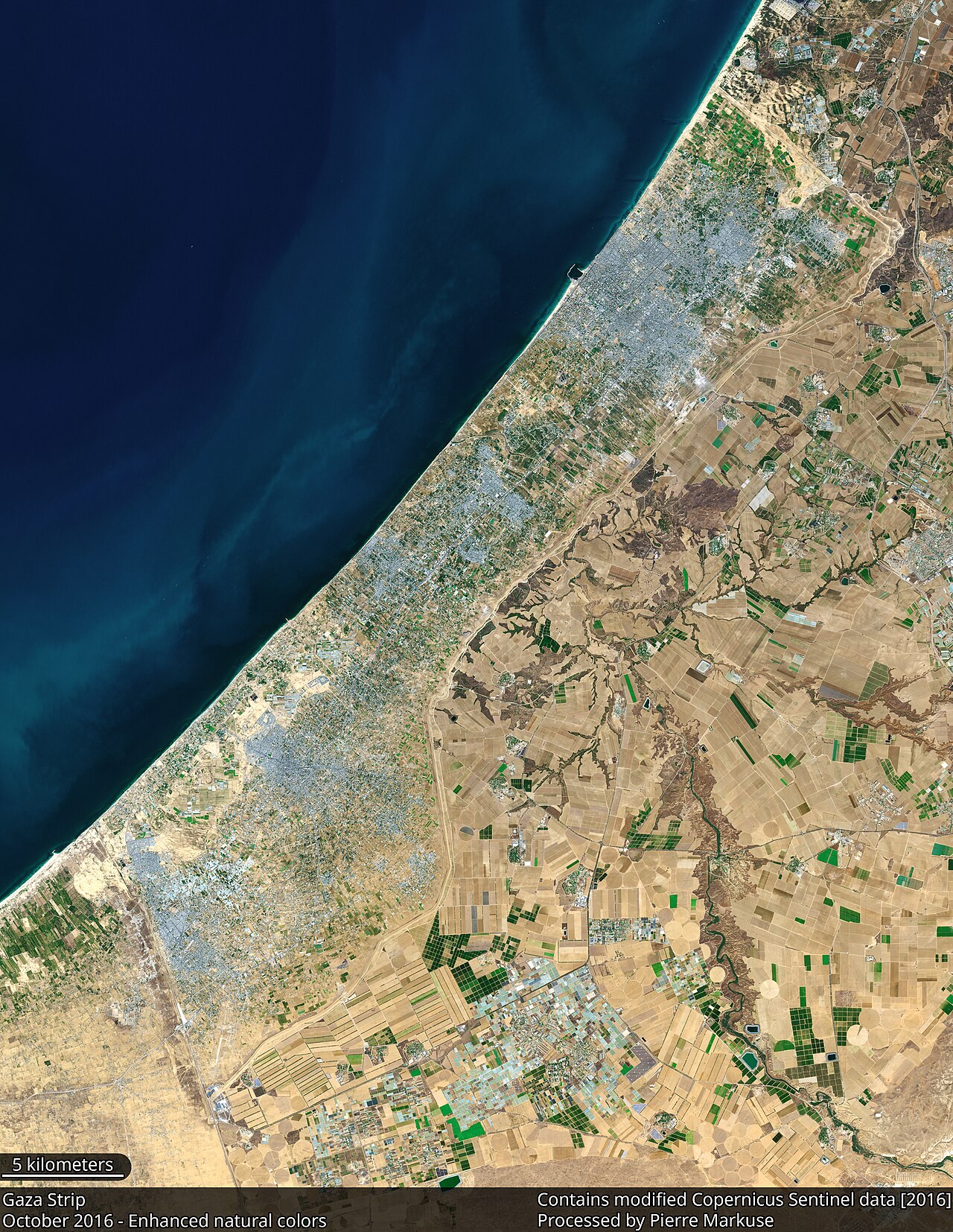
Contains modified Copernicus Sentinel data showing the Gaza Strip. Pierre Markuse from Hamm, Germany · CC BY 2.0
The IDF's own top lawyer doesn't agree with Netanyahu on this. Itai Offir, the Military Advocate General, says there is no legal basis for criminal prosecution. Not unless the soldiers actually committed information-security violations or leaked classified material. He says disciplinary action is possible if orders were broken. That's not the same as a criminal case.
So the prime minister's own military lawyer won't back the legal basis for the prime minister's own order.
Now, the film itself is disputed too. The IDF published a 17-page rebuttal earlier this month. It says NAZA has substantial factual errors, and gives a distorted, misleading picture of how it picks targets. It denies ever planning or carrying out a strike expecting 500 civilian deaths. And it denies that AI independently selects or authorises targets at all.
The Guardian produced the film, alongside directors Yuval Abraham and Rachel Szor. The Guardian says its process was rigorous. It drew on leaked classified documents. Verified specific strikes. Got corroboration from confidential accounts. And interviewed more than 100 people on IDF systems over three years, including senior commanders.
A Guardian spokesperson said the government's moves were attempts to distract from the urgent questions the film asks. First threatening to strip the directors' citizenship. Now calling for an investigation into journalistic sources.
Abraham and Szor already won an Oscar together, for the documentary No Other Land. NAZA won the Special Jury Prize at the Venice Film Festival last month.
Israel's Culture Minister, Miki Zohar, wants to go further still. He's asked the Interior Ministry to consider stripping the filmmakers of their citizenship. He called the film vile. He accused them of treason.
Press freedom groups are not staying quiet about this. Reporters Without Borders says the campaign against NAZA and its team is an attack on media freedom. It's landing two weeks before Israel's general election on 27 October.
The Committee to Protect Journalists and ten other groups wrote an open letter demanding Israel protect Abraham and Szor's basic rights. Ricardo Gutiérrez, who runs the European Federation of Journalists, called Netanyahu's directive an overt act of intimidation against the press. More than 700 people in Israel's film industry signed a petition against the whole campaign.
Not everyone in Israeli politics disagrees with Netanyahu here. Gadi Eisenkot, who is running against him in this month's election, has also criticised the film.
So what happens now? Nobody knows if the anonymous soldiers can even be identified. Nobody knows if the attorney general will act on the referral. Nobody knows if any prosecution survives the legal objection raised by the military's own lawyer.
But the message has already landed. Soldiers who speak anonymously about how this war was fought are now the ones under investigation. Not the policies they described.
Nothing here was paid for by an advertiser. Members are the entire business model. Bronze is where it starts, and it opens the last seven days in full.