Iran just refused to give up nuclear enrichment before talks even start
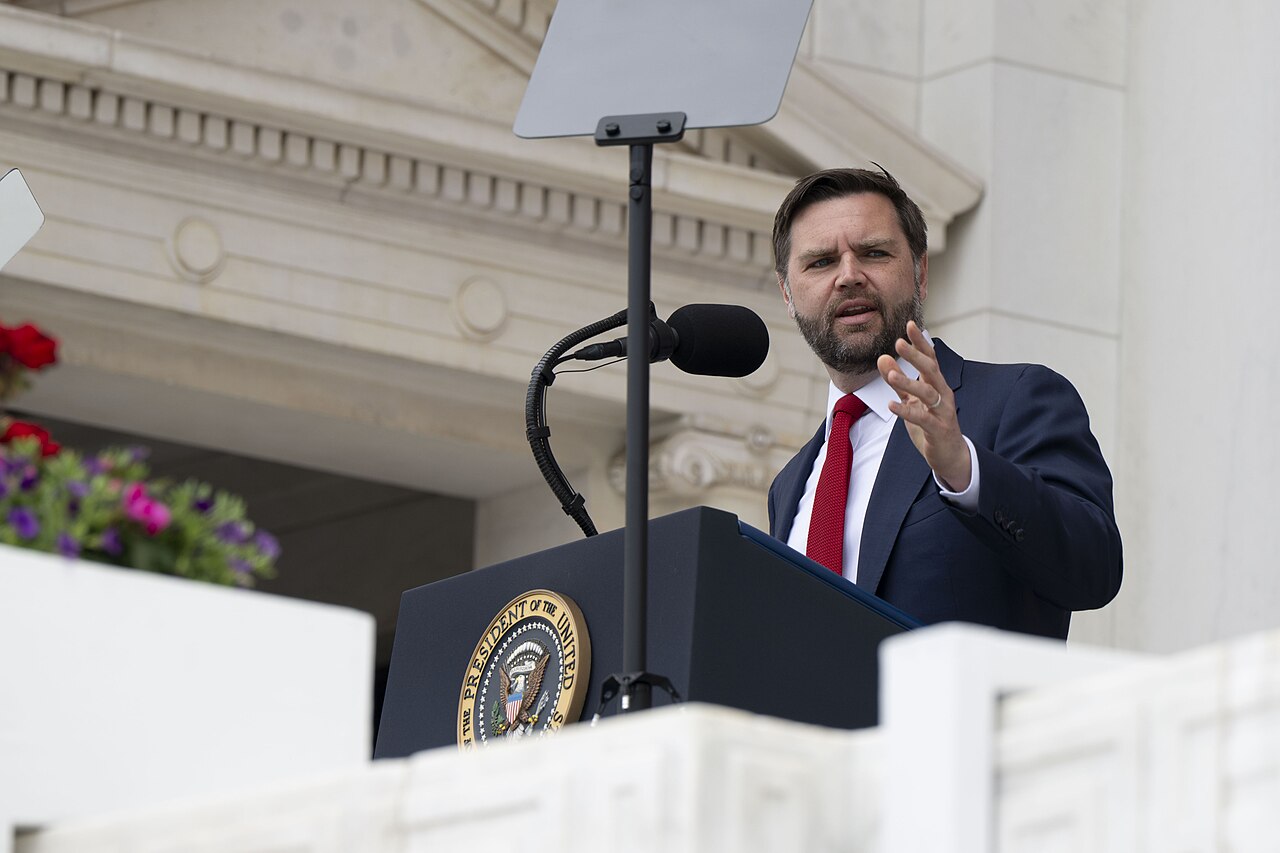
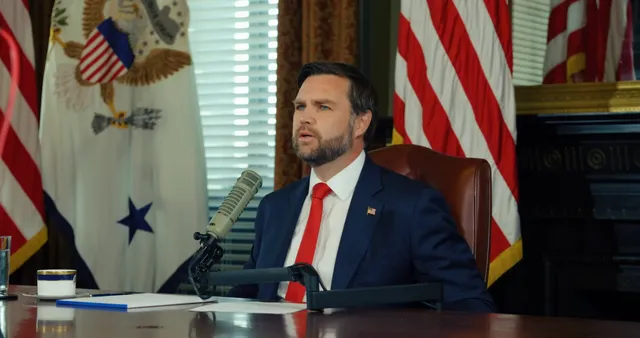
JD Vance says Iran has to cut its nuclear enrichment. Not promise to. Actually cut it.
The US Vice President said it to Reuters. Two days ago, after a campaign stop in Fairbanks, Alaska.
Vance says quote "If you don't want a nuclear weapon, then why do you need 60% enriched fuel?" He says Iran needs to do something real about its enrichment levels to prove it isn't building a bomb. Not just talk.
So that's a harder line than before. Promising to stop later isn't enough anymore. Vance wants the cut now.
Here's the context. Iran is enriching uranium to 60%. Weapons-grade is around 90%. And the IAEA's own assessment, from last year, found no credible sign Iran actually has a structured weapons programme.
Back in 2015, under President Barack Obama, a nuclear deal capped Iran's enrichment at 3.75%, with UN inspectors checking it. Donald Trump pulled America out of that deal in 2018.
Now, an unnamed senior Iranian official told Reuters today that America's demands are at odds with what Iran wants. This official is involved in the indirect talks with the US.
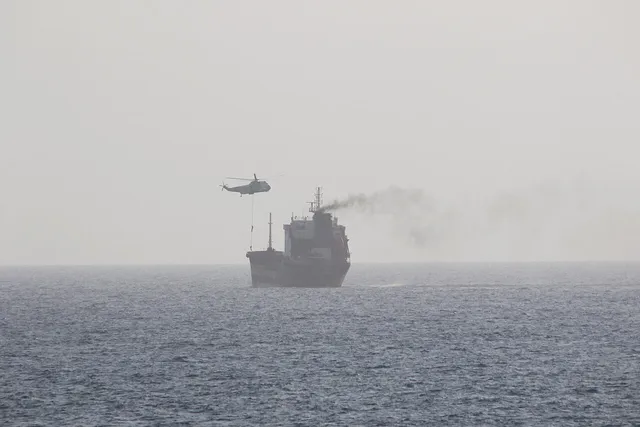
And here's the thing. The official says there have been no nuclear negotiations at all. Iran wants the US to meet its conditions first. That means lifting the naval blockade on Iranian ports. Nuclear talks come after that.
The official also said Iran's right to enrich uranium is a red line. Won't move on it. But the actual level of enrichment? That can still be discussed later.
So Iran isn't refusing to talk. It's refusing to talk about enrichment first.
This is the same pattern the war has followed since June. Vance brokered a peace deal that month. It collapsed within weeks.
Two weeks ago, Iran brought a new offer to the UN General Assembly, built on that collapsed deal. Stop fighting everywhere, including Israel's campaign in Lebanon. Lift the naval blockade and oil sanctions. Release Iran's frozen assets. Reopen the Strait of Hormuz seven days after a deal is signed. Nuclear talks only after all of that.
Trump rejected it. And he's warned that military operations could get worse once the midterm elections are over in November.
Now, who's actually in charge in Iran? Vance says Washington isn't sure.
Joint US-Israeli strikes killed Iran's Supreme Leader, Ayatollah Ali Khamenei, right at the start of the war in February. Washington is talking to President Masoud Pezeshkian and Foreign Minister Abbas Araghchi. But Vance says it isn't clear how much power either one actually has. Trump said something similar a day ago — his "biggest problem," he said, is that nobody knows who's running Iran.
Comments
None yetAlready a member? Log in.