Iran just mined another tanker in the Strait of Hormuz
An oil tanker has just exploded in the Strait of Hormuz.
Iran's Revolutionary Guard Navy says it hit a naval mine a few hours ago.
A second tanker travelling with it turned around and did not go through.
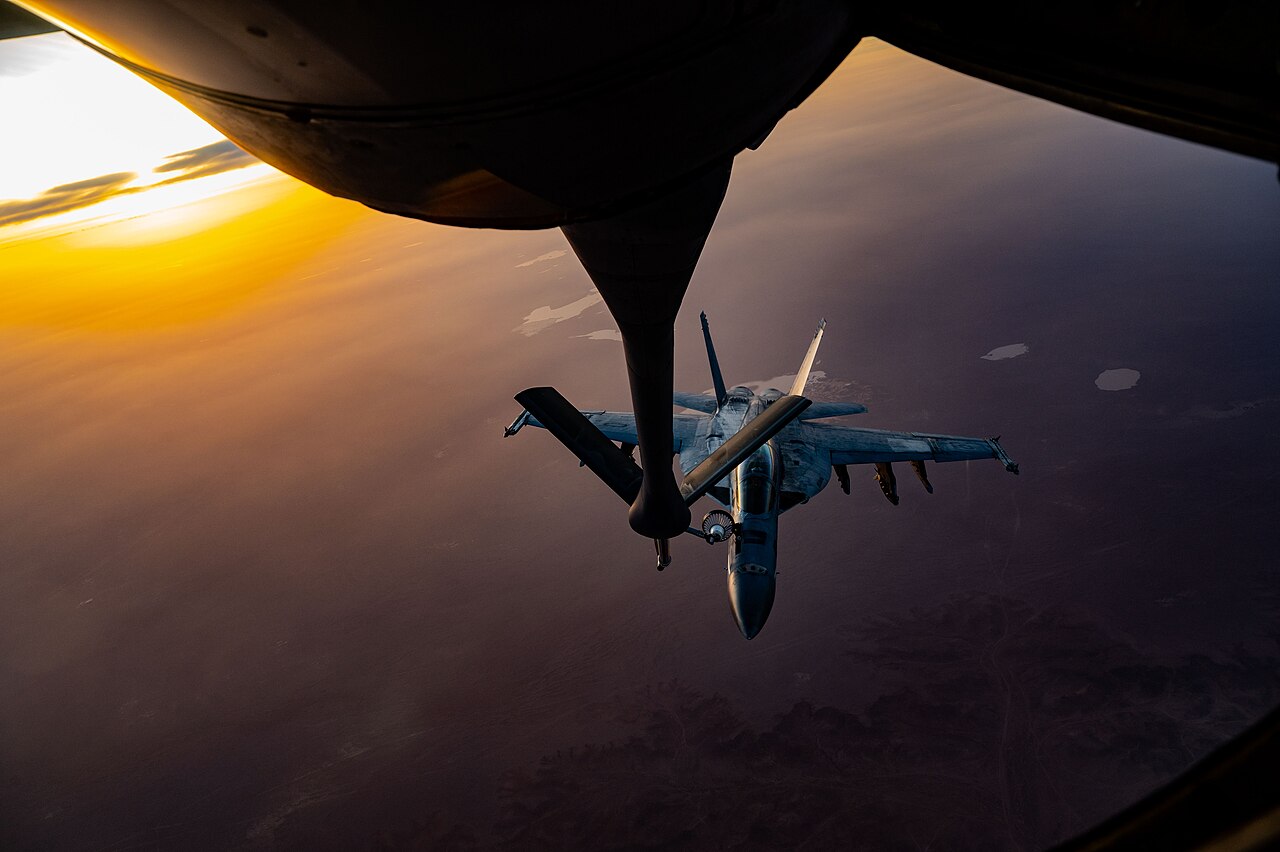
Iran says both ships were trying to sneak through a route it hasn't approved. It hasn't named either ship. No word on the crews. No word on injuries. No word on how bad the damage is.
And nobody outside Iran has confirmed any of this yet. Not the UK's maritime watchdog. Not the ship owners. Not the US military.
That's everything we know.
So here's why this one matters.
This isn't a one-off. It's the latest in a week of almost daily mine claims from Iran, in the strip of water that matters more than almost any other on Earth.
Iran says two tankers hit mines near Khasab, Oman, a day ago. One was a supertanker carrying more than two million barrels of crude. Iran also says an LNG carrier hit a mine in the strait two days ago.
But here's the thing. The UK's maritime watchdog, UKMTO, tells a different story about that same day.
It confirmed a Hong Kong-flagged tanker, the Kun Peng, was hit by what it called an unidentified projectile near Khasab two days ago. One crew member was badly hurt. A fire broke out in the engine room.
Same day. Same stretch of water. Iran says mine. UKMTO says projectile.
And that gap isn't new. It's happened on every single incident this month. Iran always says mine. UKMTO always says unidentified projectile.
So why does the word matter so much? Because a mine is something any ship could hit by accident, on a route Iran itself has declared unauthorised. A projectile means somebody aimed and fired.
Iran has said this before. In September, it said a Panama-flagged tanker, the El Gaia, struck a mine. The US military's Central Command said the damage came from Iranian weapons instead. Nobody at Central Command has confirmed or challenged any of Iran's mine statements this November.
Iran's Navy says quote "the authority and absolute control exercised by the IRGC Navy over both the eastern and western sectors of the Strait of Hormuz". That's Iran saying falling ship numbers prove it now controls the strait.
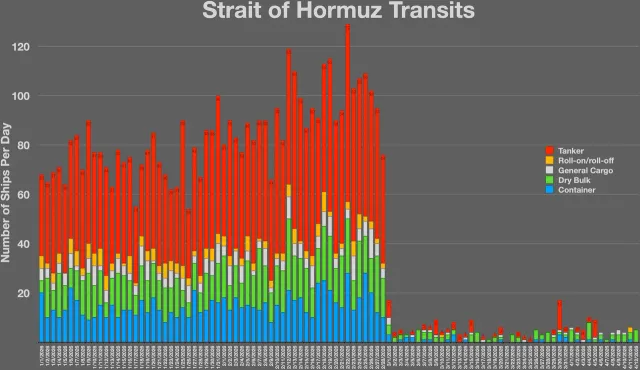
And the numbers have fallen. Shipping through Hormuz is running at around 65 per cent below where it was before the war.
The pattern's been building for weeks. Researchers counted 37 ship attacks in the strait last month, the most since the war started, and at least ten more in the first ten days of this month. Six days ago, UKMTO confirmed two tankers were hit by projectiles in the strait, while Iran separately said mines.
This war between America, Israel and Iran started back in February. A deal between Tehran and Washington in June was meant to calm things down, but it stalled over who controls the strait. Iran says it won't properly reopen the waterway until the war ends, it gets security guarantees, and American sanctions on its ports are lifted.
Donald Trump, the US President, said three days ago that America's naval blockade is the greatest in history, and that more oil is moving through Hormuz now than before the war began.
Iran's military says it's upgraded how it watches the strait, and is warning ships that move without coordinating with its forces that they're taking a bigger risk.
So what don't we know? Which tankers these were. Their flags. Their owners. Whether anyone's hurt. How bad the damage is. And whether a mine caused this at all.
Right now, nobody outside Tehran has confirmed any of it.
Comments
None yetAlready a member? Log in.