Iran just ended Hormuz talks and tankers are hitting mines
2 hours ago · 12 October 2026Share
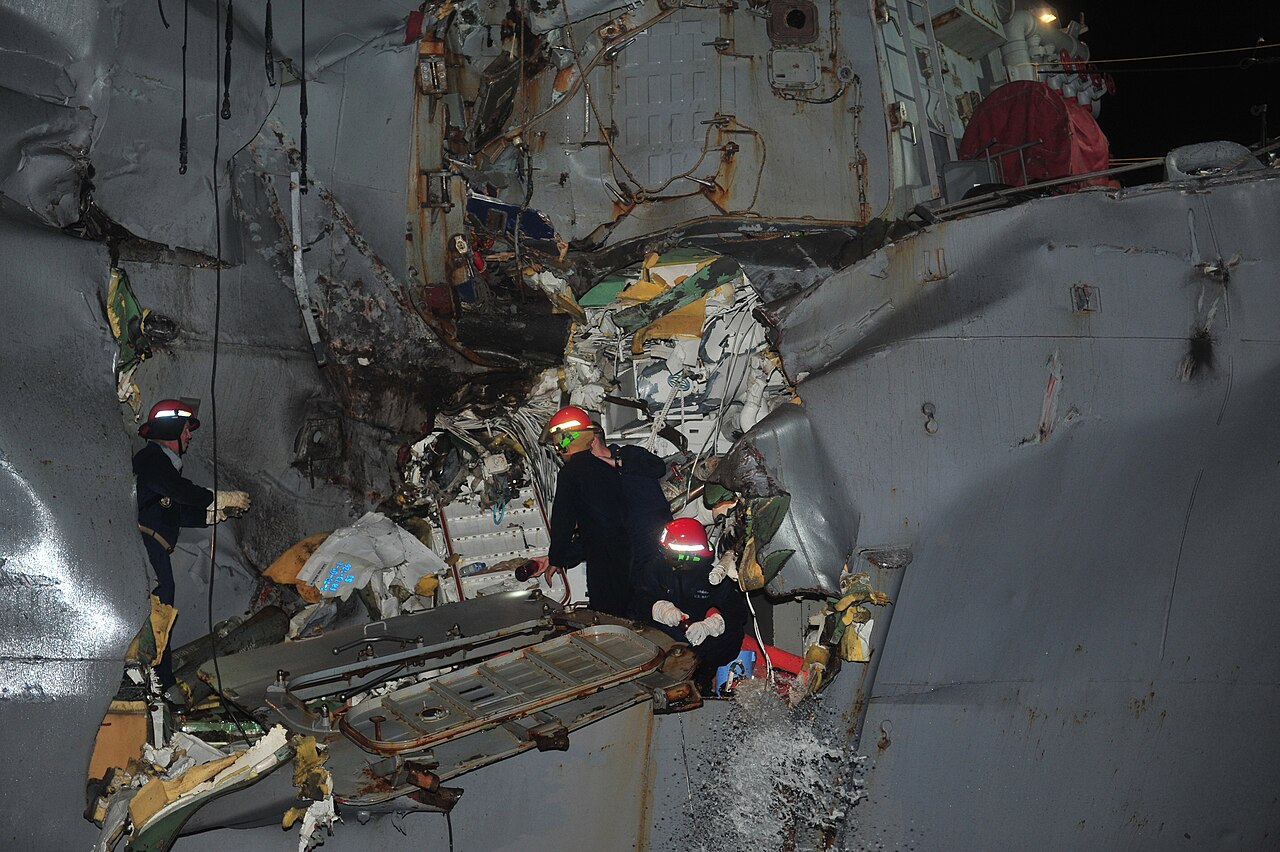
A guided-missile destroyer was damaged in a collision with a bulk oil tanker in the Strait of Hormuz. File photo. DVIDSHUB · CC BY 2.0
Iran just told the US it's done talking about Hormuz.
And a few hours later, tankers started hitting mines in the same water.
Mohsen Rezaei runs Iran's Supreme National Security Council. He said America's response to Iran's seven conditions for reopening the Strait of Hormuz was insufficient.
His words: "We are no longer in the process of responding to the Americans."
That ends two months of diplomacy. Pakistan, Qatar and Iraq were all carrying messages back and forth.
So what happened the same day? The IRGC Navy reported a third tanker strike in the Strait of Hormuz.
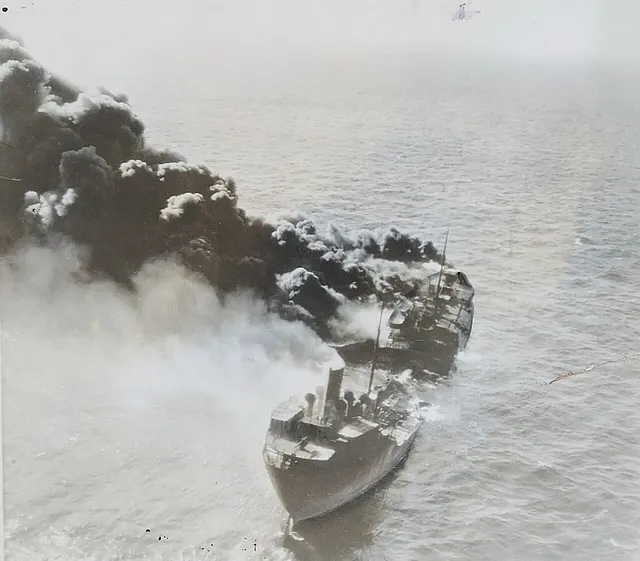
A tanker carrying 750,000 barrels of crude oil hit a naval mine and caught fire. The Navy says it was trying to use an unauthorised route with its navigation and identification systems switched off.
One channel closes. The strait gets more dangerous. Same day.
So what were the seven conditions? Iran laid them out at the UN General Assembly about two weeks ago.
An end to hostilities. The release of frozen Iranian assets. The lifting of restrictions on Iranian oil exports. An end to the US naval blockade on Iranian ports. Iran said then that the strait stays shut and talks stay off until all seven are met.
Rezaei says Washington's reply, sent through the same three go-betweens, accepted some conditions but left others unresolved. He didn't say which ones.
And here's the shift. Iran isn't asking anymore. It's telling the US to clarify what's unclear — not the other way round.
Two weeks ago, Iran's Foreign Minister, Abbas Araghchi, said Tehran could reopen the strait within seven days if Washington accepted the Qatari-mediated proposal.
Now Iran's top security official is saying there's no going back to how things were.
Rezaei also said Iran will take over managing the strait from now on. He called it an immense source of national wealth and a major national asset.
The US has already rejected a related Iranian idea — joint Iran-Oman management of the strait — saying ships are entitled to free passage under international law.
Now, the tanker strikes. These are harder to pin down.
The rest of this story is for members.
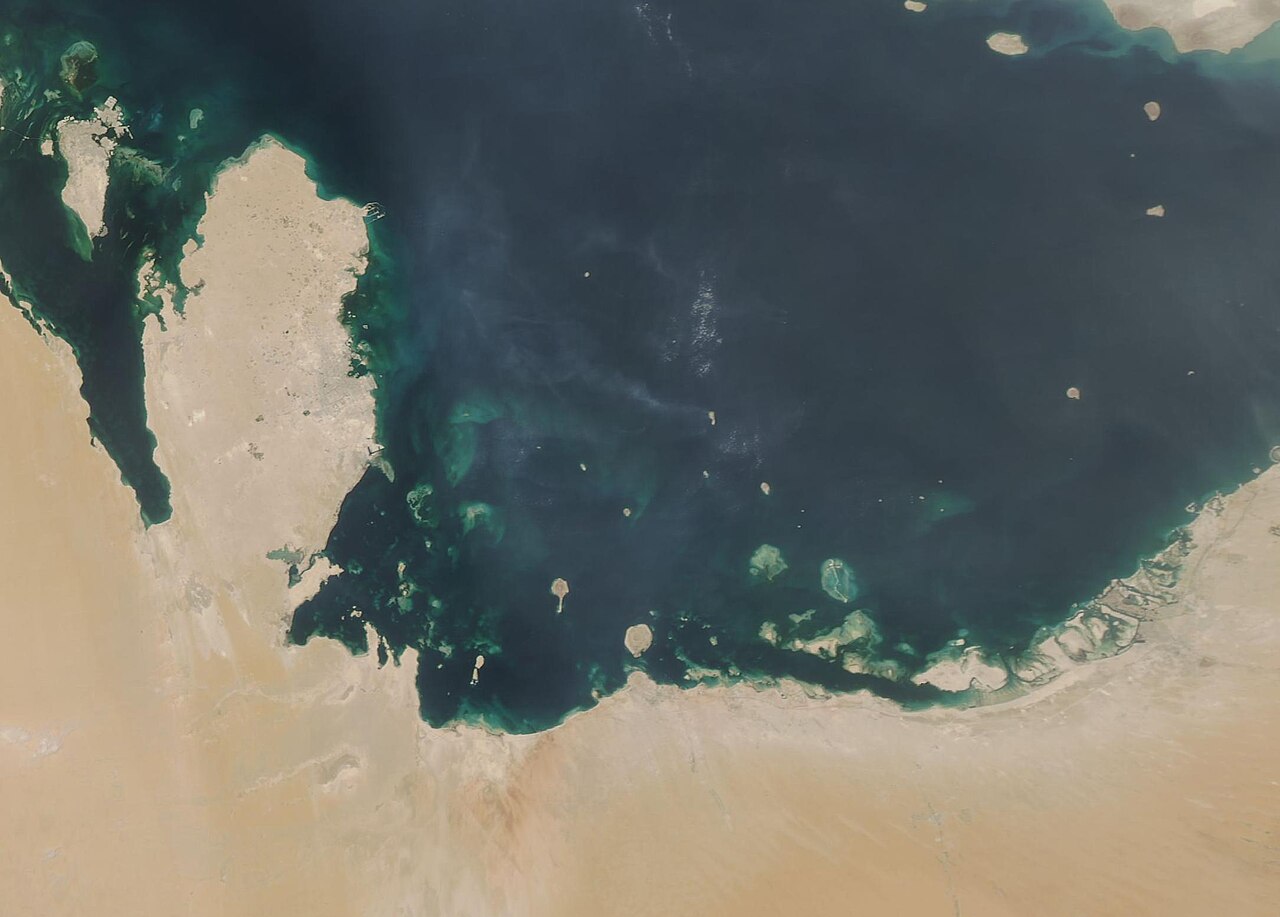
Contains modified Copernicus Sentinel data of the Persian Gulf region. MODIS Land Rapid Response Team, NASA GSFC · Public domain
The IRGC Navy says this was the third mine strike in the strait in a single day. All of it comes from Iranian state media. None of it is confirmed yet by an independent shipping-security firm, insurer or navy.
The IRGC Navy has a warning out: any vessel in the strait that switches off its navigation and identification systems gets treated as hostile.
But one incident has been confirmed independently.
The UK Maritime Trade Operations body says a tanker was hit by a drone near Sohar Anchorage in Oman. It later upgraded that to a confirmed attack.
That tanker was the MT Petro Dolphin. It had 11 Indian seafarers aboard. India's Shipping Minister, Sarbananda Sonowal, says nine crew were rescued and two are still missing.
A second tanker, the Marshall Islands-flagged MT Valthera, was hit on its side by an unknown projectile and caught fire. All 11 Indian crew on board are safe.
Nobody has said who fired the drone near Sohar. India's foreign ministry called the attacks deeply concerning and said its embassy in Muscat is working with Omani authorities, pushing for de-escalation.
And tension is rising somewhere else too.
An IRGC representative, Hossein Mohebi, posted an image online. A missile battery, aimed at an aircraft carrier. The caption: "We are waiting."
The USS Theodore Roosevelt carrier strike group left San Diego two weeks ago. It's heading to the Middle East now, to join the USS George Washington, which is already there.
All of this sits on top of a war running since 28 February, when the US and Israel first struck Iran.
Iran hit back with missiles and drones and effectively shut the Strait of Hormuz. The US answered with a naval blockade on Iranian ports.
In June, the two countries signed an agreement on freedom of navigation through the strait. It was never put into practice.
Last week had the most tanker attacks in a single week since the war began. Only seven commodity-carrying vessels passed through the strait on 6 October — the lowest daily total in more than two months.
The strait normally carries around a fifth of the world's oil and gas.
The White House has not responded to Rezaei's statement. Nobody has said which of Iran's seven conditions the US actually accepted, or whether a private channel is still working behind the public one.
So the public talks are over, by Iran's own account. And three tankers have already hit mines in water Iran now says it controls.
Nothing here was paid for by an advertiser. Members are the entire business model. Bronze is where it starts, and it opens the last seven days in full.