Iran just denied direct talks with America while negotiating sanctions relief
1 hour ago · 31 October 2026Share
View from the Dhow Harbour to the skyline of Doha, Qatar. File photo. Zairon · CC BY 4.0
A Qatari newspaper just reported a breakthrough between America and Iran.
And a few hours later, Iran's own Foreign Minister called the report media speculation.
So what actually happened? Al-Araby Al-Jadeed, a Qatari outlet, says it has sources close to the Qatar and Pakistan-led mediation. It reported that an American delegation is expected to join Iranian officials in Doha for direct talks.
The report says indirect talks in Tehran, a day ago, produced preliminary understandings on three things. Iran's nuclear programme. Passage through the narrow waterway Iran has threatened to shut, the Strait of Hormuz. And financial incentives for Tehran. The same report says China and Russia are expected to act as guarantors of any eventual deal.
That Tehran session ran more than 12 hours. Qatari mediators sat down with Iranian officials, then the Iranian team travelled back to Doha with the Qatari delegation. An Iranian deputy foreign minister went to Doha separately to help coordinate with the mediators.
A diplomatic source told Axios there was positive progress. The source says quote "talks are still ongoing to unlock a deal".
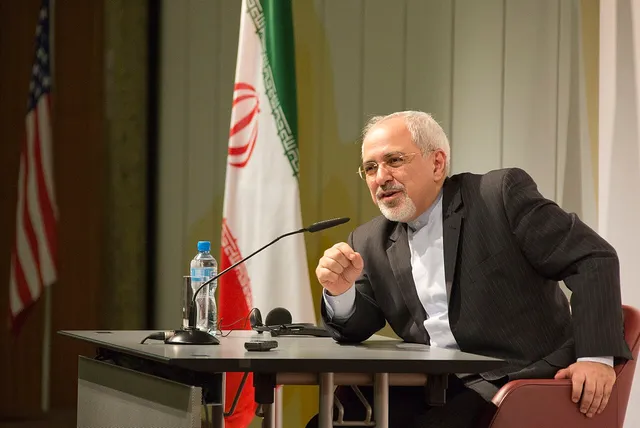
But here's the thing. Hours after that report, Abbas Araghchi, Iran's Foreign Minister, told Al Jazeera there are currently no plans for meetings with US officials. He called the reports of direct talks media speculation. He said the American outreach was a positive step — but that Iran currently sees no need to meet with the Americans.
So one Qatari outlet, citing unnamed sources, says a delegation is coming. Iran's own foreign minister, on the record, says there is no meeting planned. Both of those are true on the same day.
And here's what makes the denial strange. What Araghchi actually confirmed goes far beyond a simple no.
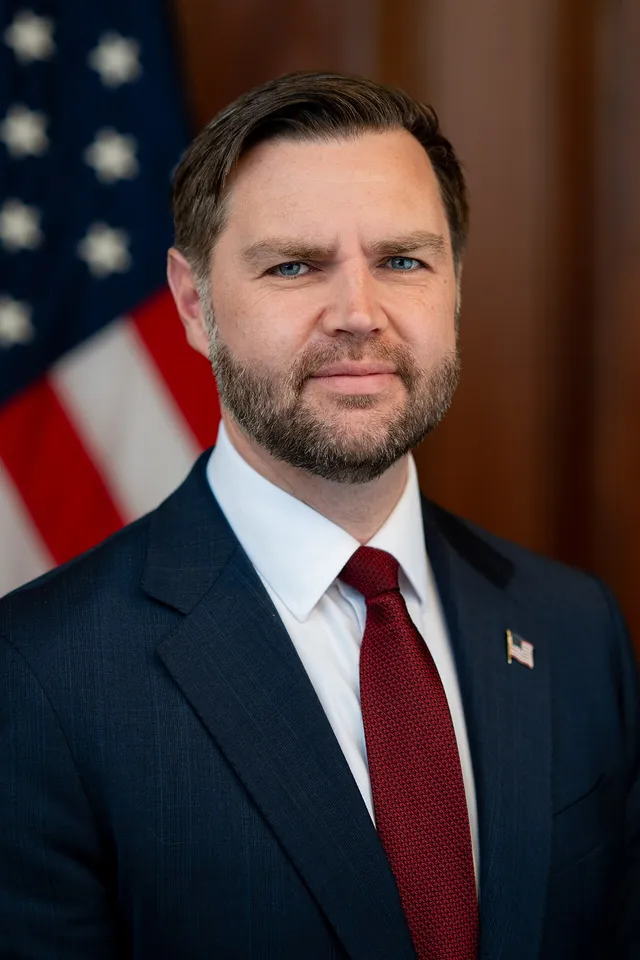
He said Iran has studied a letter from JD Vance, the US Vice President. Vance sent it to Mohsen Rezaei, the secretary-general of Iran's Supreme National Security Council, proposing renewed engagement. Iran has not responded to it yet.
He said Iran has a proposal to cut the time needed to reopen the Strait of Hormuz to two days. A Qatari proposal had suggested five.
The rest of this story is for members.
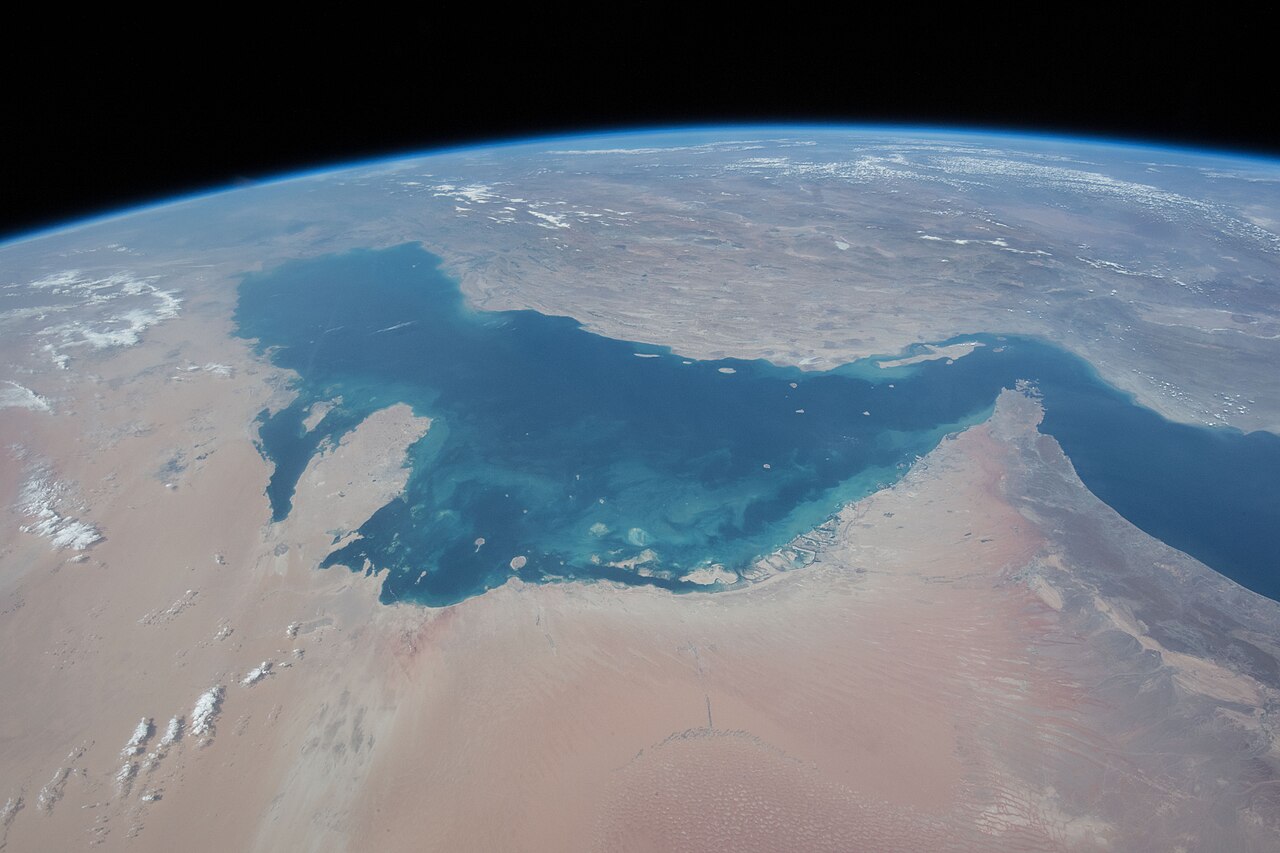
Contains modified Earth Science and Remote Sensing Unit, NASA Johnson Space Center data showing a view of Qatar taken during ISS Expedition 58. File photo. Earth Science and Remote Sensing Unit, NASA Johnson Space Center · Public domain
And he listed Iran's conditions for any deal. Lifting sanctions brought in after what he called the Islamabad memorandum. Reducing US forces in the region. Restoring oil waivers. Releasing frozen Iranian funds.
That is a government negotiating the fine print of a deal it says it has no plans to sign.
And inside the Trump administration, the people who would run that deal do not agree with each other. Pete Hegseth, the Secretary of War, and Marco Rubio, the Secretary of State, are sceptical of a nuclear deal. They favour weakening Iran further, including more strikes, a US official says. JD Vance, Steve Witkoff and Jared Kushner want to keep negotiating. Scott Bessent, the Treasury Secretary, who runs the sanctions campaign known as Operation Economic Outcast, is urging Donald Trump to let diplomacy continue instead of going back to military action.
Marco Rubio said Donald Trump has not yet decided whether to resume military action against Iran.
So the clock matters here. The US has warned Gulf allies to prepare for strikes on Iran to resume as early as 4 November — the day after America's midterm elections. A US network reported, citing three senior Gulf officials, that the Trump administration has told allies to expect a short and swift round of fighting starting that day.
Donald Trump played the urgency down. He says quote "we have time, frankly, it's a war, but it is not a typical war".
Other governments are pushing Iran towards the table before the vote. Egypt, Turkey, Iraq, Pakistan and Saudi Arabia have all been pressing Iran to resume talks. On the other side, Benjamin Netanyahu, Israel's Prime Minister, is reportedly pushing Donald Trump to launch a joint military operation against Iran right after the midterms.
Iran isn't ruling an attack out either. Araghchi says Iran does not rule out the possibility of being attacked, and is prepared for all scenarios. Mojtaba Khamenei, Iran's Supreme Leader, has ordered the armed forces to respond to any threat with what he called an immediate, effective and unrestricted geographical response.
No government has confirmed the delegation Al-Araby Al-Jadeed reported. Washington, Tehran and Doha have all stayed silent on it. Barak Ravid, the Axios correspondent, reported that no date has been set for any US delegation to arrive, and no agreement has been reached on resuming direct negotiations.
So here's where this actually sits. Iran is talking in detail about sanctions relief, frozen funds and the strait it controls. At the same time it is denying any meeting is planned. America is negotiating and warning its own allies to prepare for war, at the same time. Both tracks are set to become clearer on the same date. 4 November. The day after Americans vote.
Nothing here was paid for by an advertiser. Members are the entire business model. Bronze is where it starts, and it opens the last seven days in full.