Costa Rica just blocked a UN official over an unproven terror claim
1 hour ago · 28 November 2026Share
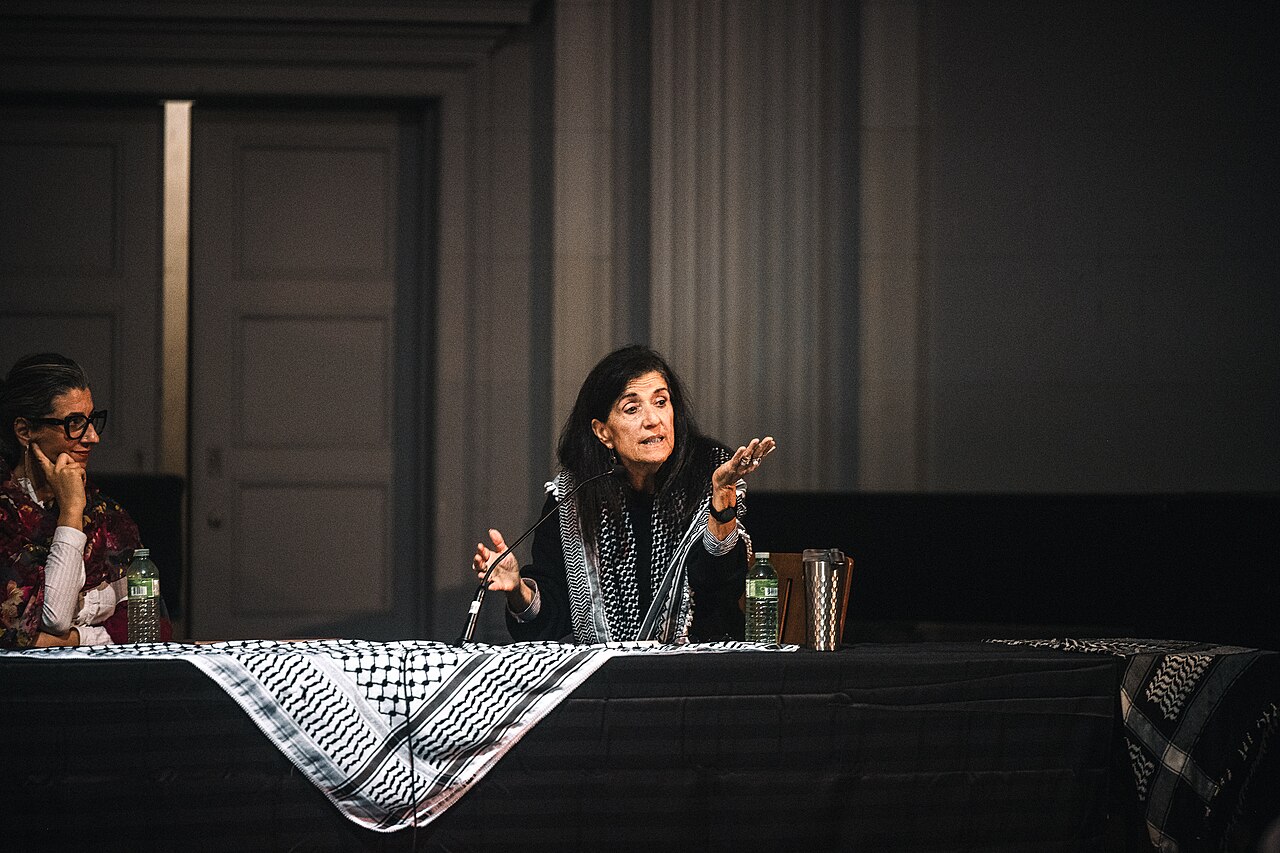
Professor Nahla Abdo speaking at a panel on international law with UN Special Rapporteur on Palestinian human rights Francesca Albanese and Dr. Ardi Imseis. File photo. Nirhagigi · CC0
Costa Rica just blocked a UN official from entering the country.
Her name is Francesca Albanese. She's the UN special rapporteur on human rights in the Palestinian territories.
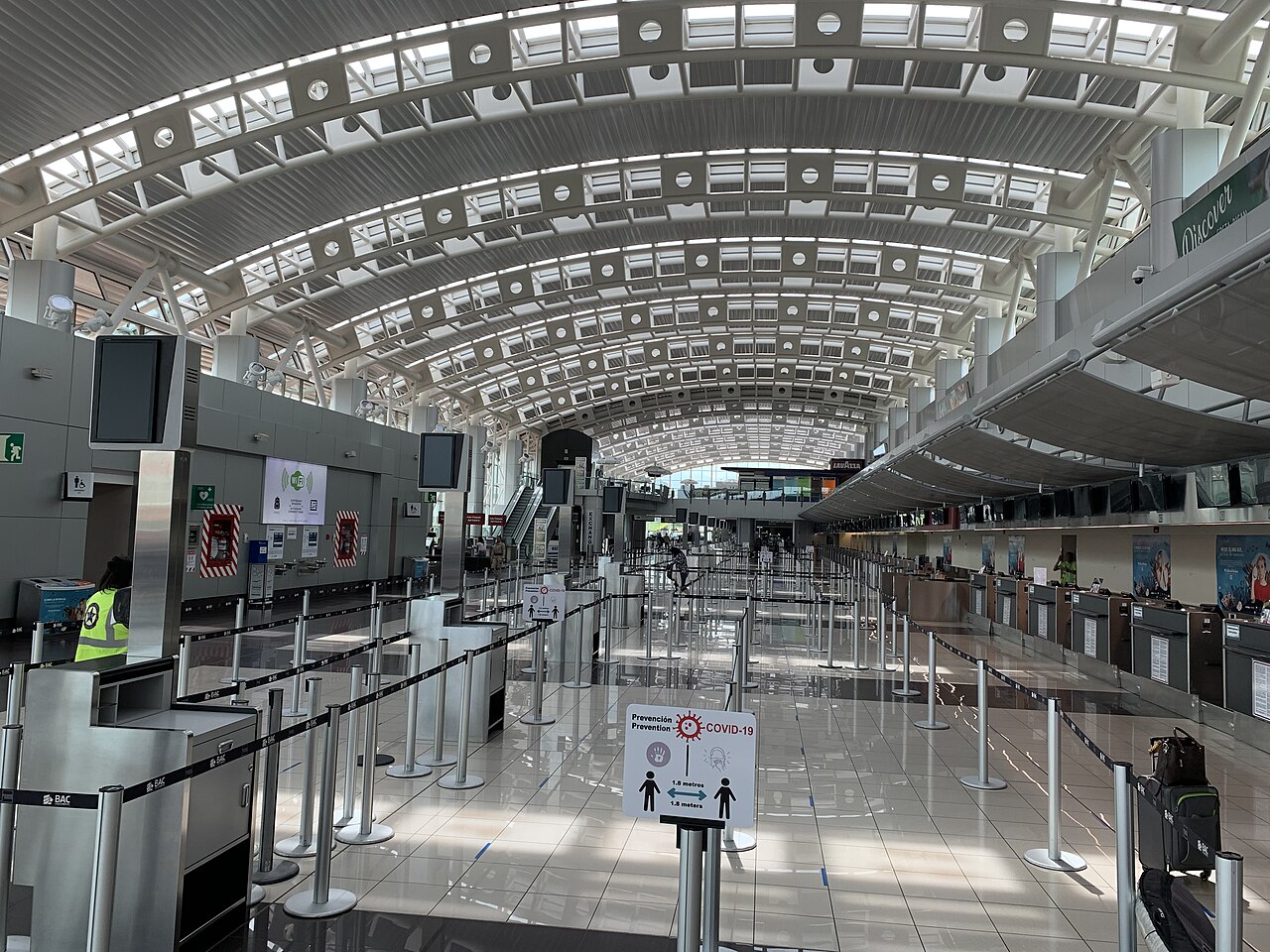
She landed at Juan Santamaria International Airport in San Jose two days ago. She never got past the gate.
So why was she stopped? Costa Rica says she's on an international terrorism alert.
But here's the thing. Nobody will say which country issued that alert. And nobody has shown a shred of evidence for it.
Omer Badilla runs Costa Rica's immigration authority. He went on video and said she was refused entry because she is the subject of quote "an international alert due to links to terrorist acts".
That's it. No country named. No proof offered.
She wasn't even there for politics. Francesca Albanese had flown in to receive an honorary doctorate from the University of Costa Rica.
And she's held this UN role since 2022, appointed by the UN Human Rights Council.
So her lawyers moved fast. A habeas corpus petition went to the Constitutional Chamber of Costa Rica's Supreme Court.
And the court sided with her. It ordered immigration authorities to stop any forced removal while it hears the case. It gave them 24 hours to file a sworn report explaining themselves.
That order still didn't let her into the country, though.
The next day, the court went further. According to Al-Monitor, it issued a second order confirming her destination would be Mexico, and told authorities to move her to a hotel instead of leaving her at the airport. No other outlet has confirmed that detail.
Now here's where it gets political.
Francesca Albanese says she thinks this is really about the United States. Washington sanctioned her in July last year over her criticism of US and Israeli conduct during the war in Gaza. Israel had already declared her persona non grata back in 2024.
The rest of this story is for members.
Terminal B at Juan Santamaría International Airport in San José, Costa Rica. File photo. Steven Zwerink · CC BY-SA 2.0
And Costa Rica's government is close to Washington. President Laura Fernández took office in May this year, and her government has been pulling closer to Israel ever since.
In fact, Costa Rica signed a free trade deal with Israel in Jerusalem last December. It still hasn't been ratified.
Francesca Albanese had publicly criticised that exact deal and called for ratification to be paused.
So immigration says this was just national security. It points to articles 13 and 61 of Costa Rica's General Law on Migration and Foreigners.
Rodrigo Chaves is the minister of the presidency and a former president himself. He wrote on social media that the court's order was quote "another usurpation by an increasingly arbitrary judiciary" protecting foreigners flagged for ties to terrorism.
Costa Rica's own ombudsman's office pushed back on that. It said immigration denied her entry automatically, without even looking at her case, her official UN status, or her immunity as a rapporteur.
And the UN itself got involved. Volker Türk, the UN's High Commissioner for Human Rights, said he was deeply concerned, and called on Costa Rica to reconsider and let her in. He said it was hard to square with the country's long record on human rights.
Israel saw it completely differently. Danny Danon, Israel's ambassador to the UN, praised Costa Rica's decision, accusing rapporteurs who exploit their UN mandate of spreading propaganda against Israel and the United States.
Francesca Albanese still got her degree, though. She joined the ceremony by video call from the airport terminal, and an assistant accepted it on her behalf.
She told the ceremony: quote "I am deeply outraged that the Costa Rican government has spread false information linking me to terrorism". She also said that defending human rights is not terrorism, and that the government would have to answer for its insinuations.
She's not the only one saying so. Laura Chinchilla, a former Costa Rican president, called the refusal an unjustified snub. She said it was a blow to the tradition that once made Costa Rica an exception in the region.
Even a ruling-party lawmaker pushed back. José Miguel Villalobos told the Legislative Assembly he didn't want to hear what she had to say, but he still defended her right to enter the country.
So what don't we know?
No country has been named as the source of the alert. No evidence for the terrorism claim has been produced by anyone. Nobody has confirmed whether Costa Rica's government coordinated with the United States before blocking her. And the Constitutional Chamber still hasn't made its final ruling on her legal status.
Nothing here was paid for by an advertiser. Members are the entire business model. Membership opens everything we have ever written, our investigations first, the guides and the films, for $4.99 every 28 days or $19.99 a year.