That's everything we know.
Why this mattersThis isn't a new war. America and Israel have been fighting Iran since the end of February. The machinery for a much bigger round is now just sitting there, waiting on one signature.
So what would it actually hit?
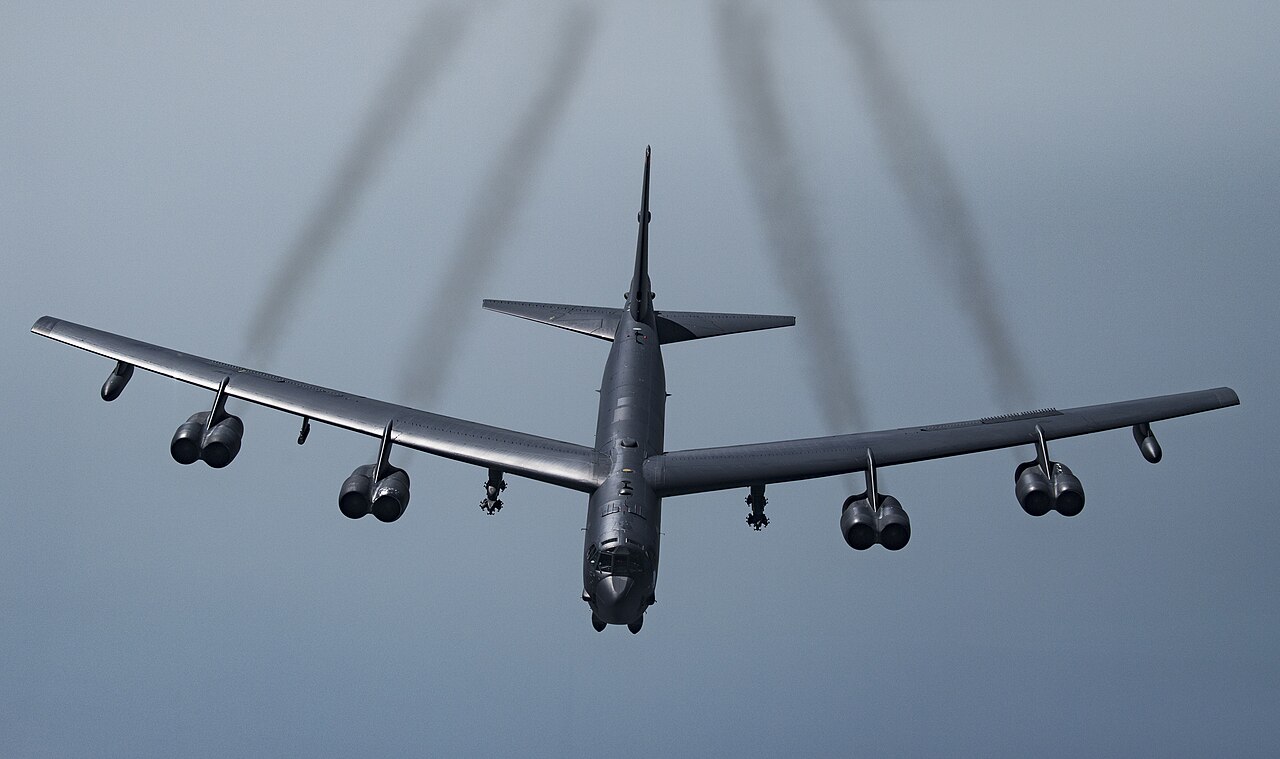
Iranian energy sites. Military sites. Nuclear facilities. US Central Command and the Pentagon built the list. This goes way past the small stuff, past hitting a radar or a launcher and calling it a day.
Trump hasn't signed off on anything yet.
But here's the part nobody's talking about. Israel and America don't even agree on timing.
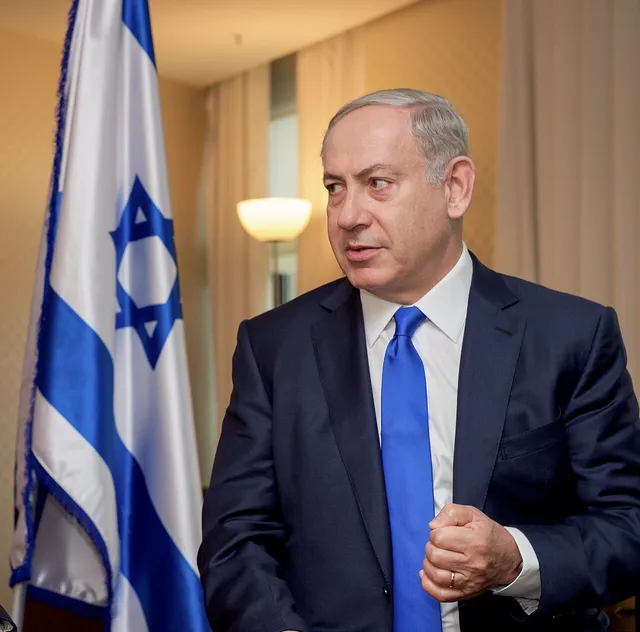
An Israeli security source says Benjamin Netanyahu pushed hard for a joint attack before Israel's own election. Trump said no. The source says quote "Netanyahu really wanted and tried to convince Trump for a joint attack in Iran before the elections, and Trump did not give a green light."
That's an Israeli source saying their own Prime Minister asked for a war, and the American President turned him down.
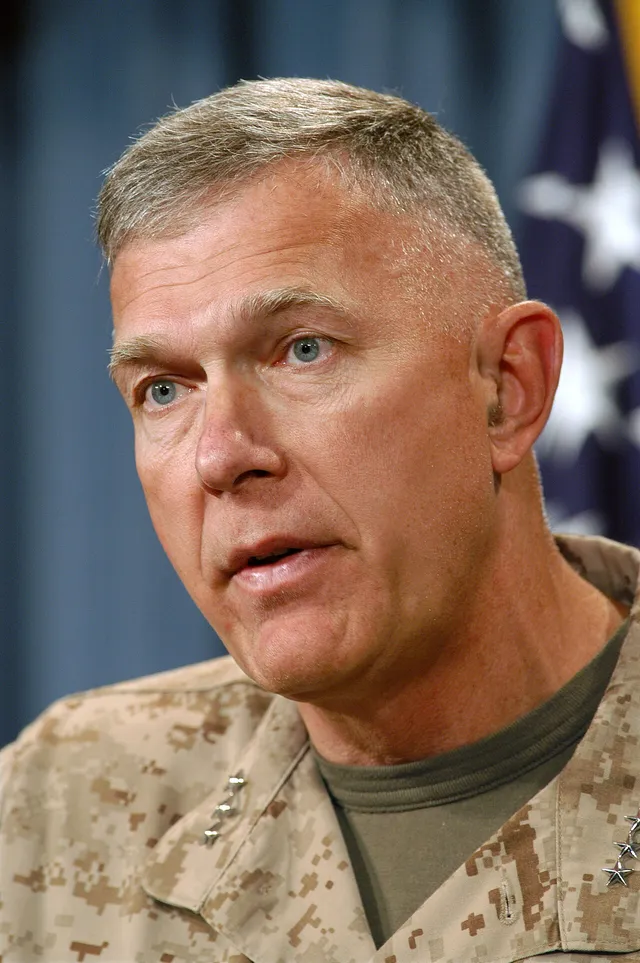
There was a military reason too. Israel's military chief warned America's top general that striking now could mess with Israel's election, maybe even force it to be delayed.
So Israel backed off. Part of that is practical. Israel's missile interceptors are running low after months of war, and it needs America to keep its air defences up.
Now both sides are circling the same window. After America's midterm elections on 3 November. A source briefed on the planning told CNN the plans are ready and waiting on Trump, possibly after the midterms. But officials warn Trump has come close to pulling the trigger before and backed out. So no date is locked in.
And the intelligence case is getting stronger by the day. A memo from America's intelligence chief to the Secretary of State says Iran has ramped up efforts to target US troops, with plots now at an advanced stage, in the Middle East and beyond.
That's why the posture is changing. Routine US military rotations into the region are cancelled. Staff are being pulled out of the US Embassy in Saudi Arabia, the only American embassy in the region under that kind of order right now.
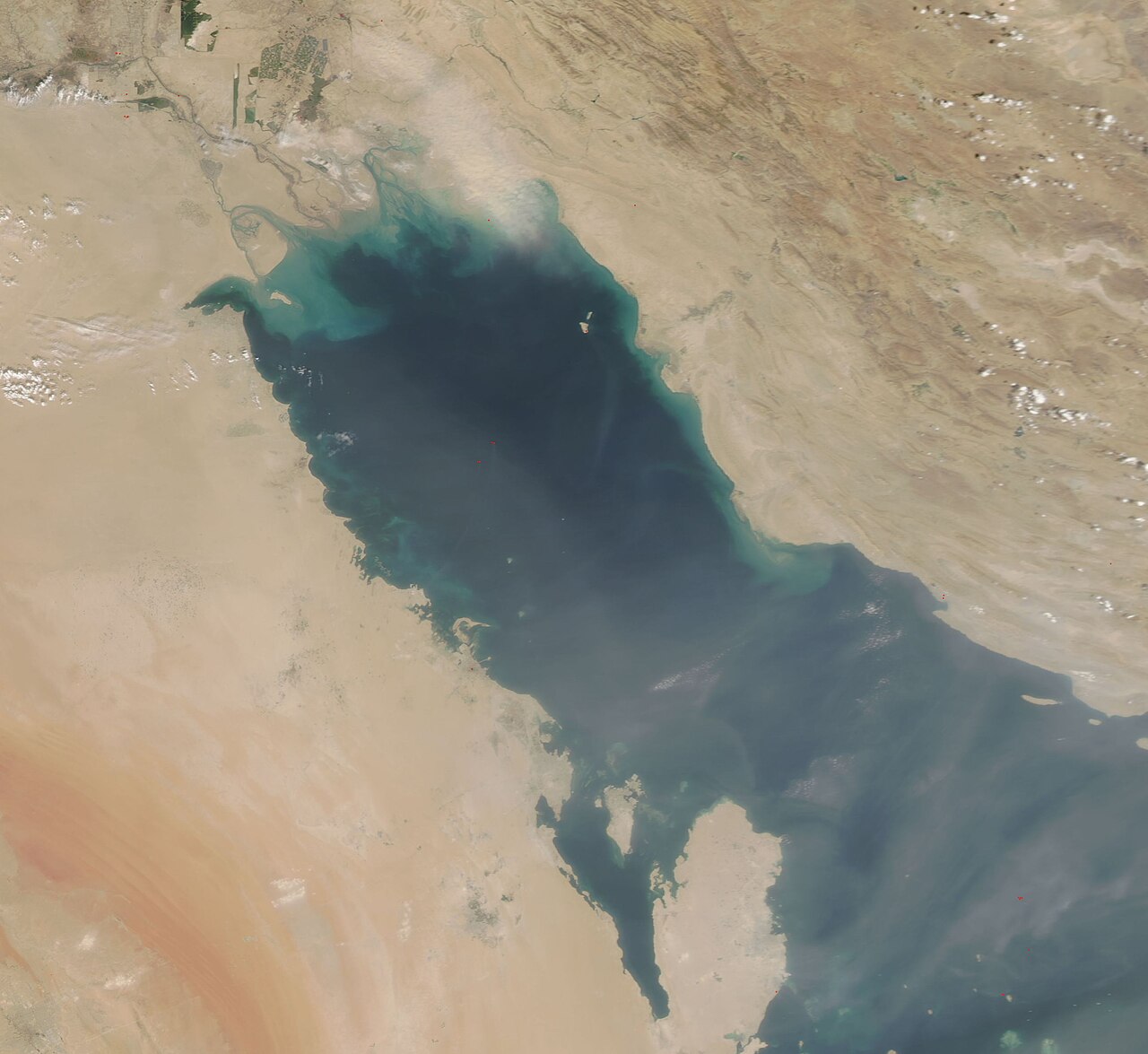
America's top commander in the region flew over the Strait of Hormuz two days ago. He met troops who'd just cleared Iranian naval mines.
Oil prices are still high, even with more tankers moving through. One US official calls the situation untenable long term.
Iran, for now, sounds calmer. Iran's foreign ministry spokesperson told German broadcaster ARD the door to diplomacy is still open, and messages are still getting through to Washington. He said Iran will not give up its sovereign rights despite the pressure and the threats, and pushed back on America's language about surrender.
US intelligence doesn't think Iran or the Houthis will strike first. But they'd hit back hard if Iran gets hit.
The White House wouldn't comment. A senior Pentagon official just says the Department plans and executes whatever the President orders.
So here's where it stands. The forces, the target list, the intelligence case — it's all in place. The only thing missing is the order. And nobody outside the Oval Office knows when, or if, that comes.