America just admitted its Israel policy cost it Congress
3 hours ago · 9 November 2026Share
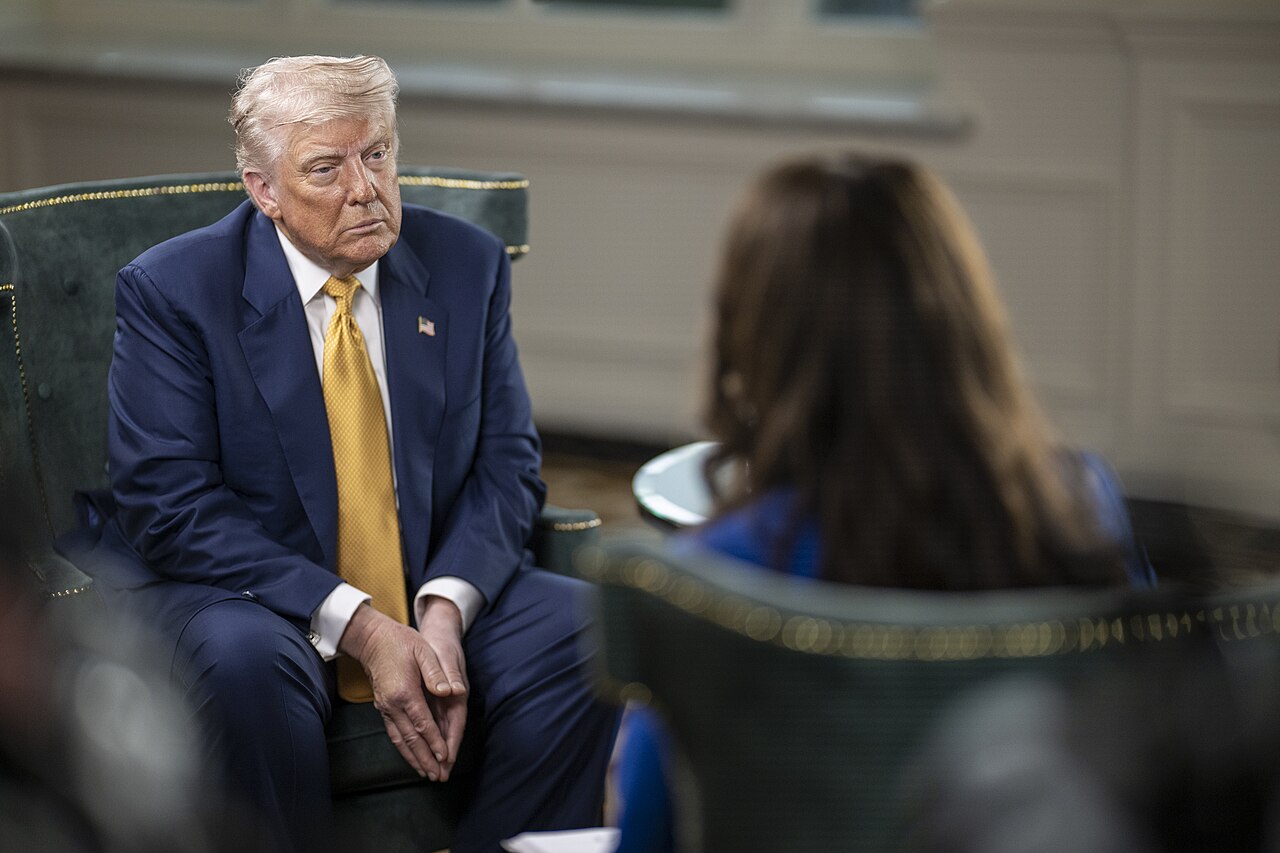
President Donald J. Trump participates in an interview with the New York Post at the Trump Turnberry golf course in Scotland, Friday, July 27, 2025. File photo. The White House · Public domain
Growing dislike of Israel among American voters is one of the main reasons his party lost Congress.
He said it in a CBS 60 Minutes interview, recorded at the White House three days ago and aired this weekend.
Trump named three things together. The war with Iran. Rising petrol prices. And a shift in opinion against Israel.
He told CBS correspondent Ross Douthat: "There's a great dislike, incredibly, for Israel."
Then he laid it out plainly. He said there's a dislike for Israel, there's the war itself, and there's the gas prices. He called those the primary reasons.
So how bad were the losses? Pretty bad.
The midterms happened six days ago. Democrats flipped seven Senate seats. They flipped at least 25 House seats. That's both chambers of Congress, gone.
And here's how rare that is. This is the first time in twenty years a Republican president has lost both chambers in a midterm. The last one was George W Bush, back in 2006.
Trump's comments build on something he said five days earlier. Standing at his White House ballroom construction site, he told reporters it was "largely true" the Iran war cost Republicans the election, because it pushed petrol prices up in the short term.
And that came right after JD Vance, the Vice President, posted on social media: "The reason we lost is the war."
Vance pointed to an unnamed pollster. He said voters who switched from Trump in 2024 to the Democrats this year wanted four things. Ending the Iran war. Lower living costs. An America First approach. And a changed relationship with Israel.
The rest of this story is for members.
US Capitol and Grant Memorial. File photo. Martin Falbisoner · CC BY-SA 3.0
So did Trump agree with Vance? Asked directly in the CBS interview, he said he did not disagree with it, according to the Jerusalem Post's account.
But here's the thing. Trump still defends the war.
Asked if he would launch the same campaign against Iran again, he said: "My answer is an emphatic yes, because you can't let Iran have a nuclear weapon."
Now the timing gets messy. In that same interview, Trump said the strikes on Iran's nuclear sites happened more than a year ago.
They didn't. The US and Israel launched that war in late February this year. That's about eight months before the interview, not a year. Trump's own account of the timeline doesn't match the record.
Trump also addressed his deportation policy. He told CBS it might have been too tough.
And defending the cost of protecting allies, he said Israel wouldn't exist without the US. He argued that countries under American protection should repay US war costs.
Chuck Schumer, the top Senate Democrat, said five days ago the Iran war must end. He suggested Democrats' incoming majority could use control of government funding to press the point. That claim comes from AFP's reporting, carried by Arab News, and has not been corroborated elsewhere.
Trump also said Washington and Tehran had been close to a deal before the election. That claim appears in only one report of the interview and has not been independently verified.
So what happens now? The White House hasn't said whether any of this means a change in policy on Israel or Iran.
And no Republican leader besides Vance has publicly tied the losses to these issues the way Trump just has.
Trump cited no polling and no data to back up his view that dislike for Israel is growing among voters. It's his own read on why his party lost. Nothing more, for now.
Nothing here was paid for by an advertiser. Members are the entire business model. Bronze is where it starts, and it opens the last seven days in full.