The UK government just approved a North Sea gas field and broke its own drilling promise
21 October 2026 · 21 October 2026Share
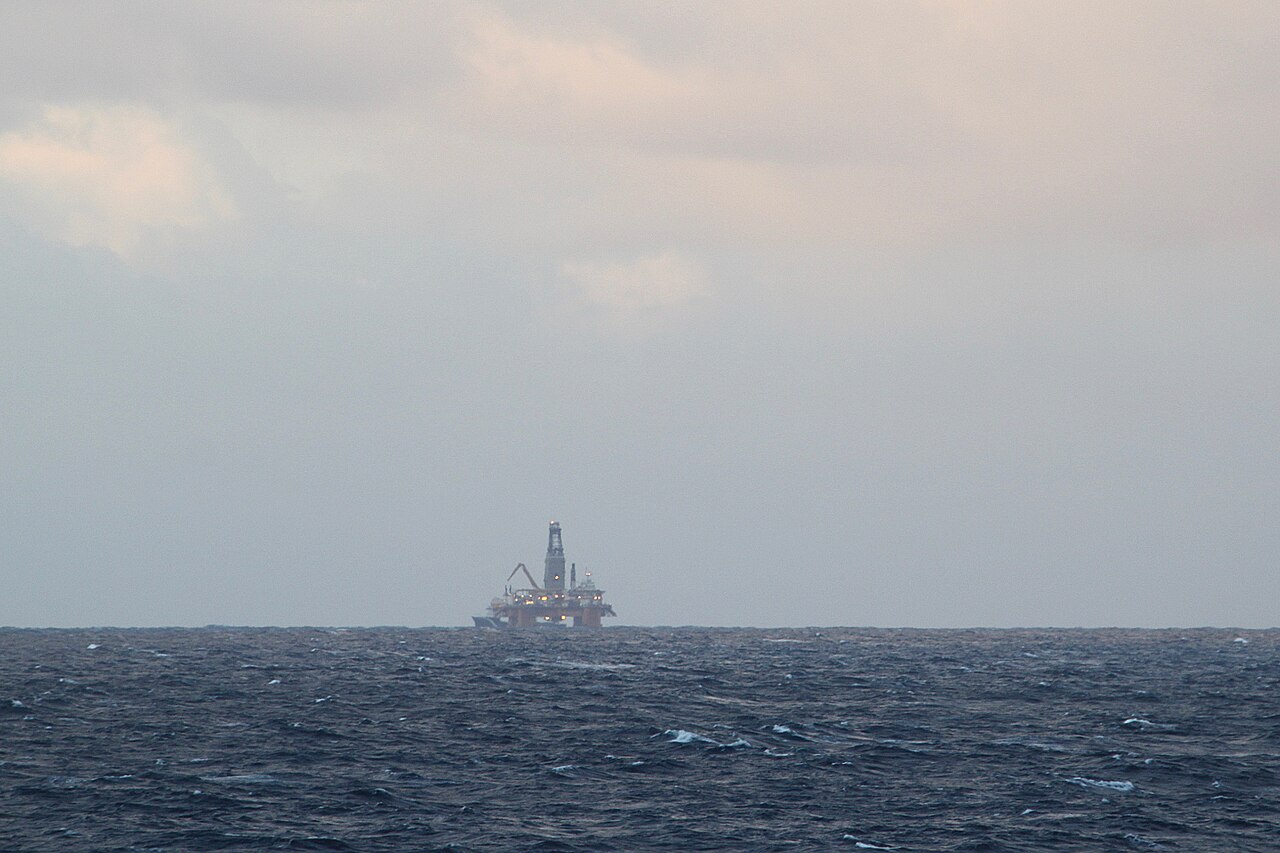
An oil or gas platform in the North Sea off Scotland. File photo. NAC · CC BY-SA 4.0
The UK government has just approved the Jackdaw gas field in the North Sea.
Energy Secretary Miatta Fahnbulleh and Chancellor John Healey announced it from Aberdeen a few hours ago.
So where is Jackdaw? About 150 miles east of Aberdeen.
Who runs it? Shell and Norway's Equinor, through a partnership called Adura.
Now, here's the important part. This is not a new drilling licence.
The field was first approved back in 2022, under the Conservative government. Ministers at the time said it would shield Britain from energy market chaos caused by Russia's invasion of Ukraine.
But that approval did not survive.
In January last year, the Court of Session in Edinburgh ruled it unlawful. So did the approval for the bigger Rosebank oilfield. The judges found that regulators never counted the carbon emissions that come from burning the fuel once it is extracted.
Shell and Equinor went away and resubmitted their application. That was in September, last year.
And that resubmission is what just got approved.
So does this break Labour's promise? Labour's 2024 manifesto promised no new oil and gas exploration licences in the North Sea.
The government says it has not broken that promise. Its argument: Jackdaw already had a licence. What changed today was the environmental sign-off, not the licence.
Not everyone buys that. Labour promised no new drilling. Jackdaw is now drilling, with ministers' approval, a few months after a court found the original approval unlawful.
Let's talk numbers. Once Jackdaw is fully running, it should supply around 6% of North Sea gas production.
The rest of this story is for Silver and Gold members.
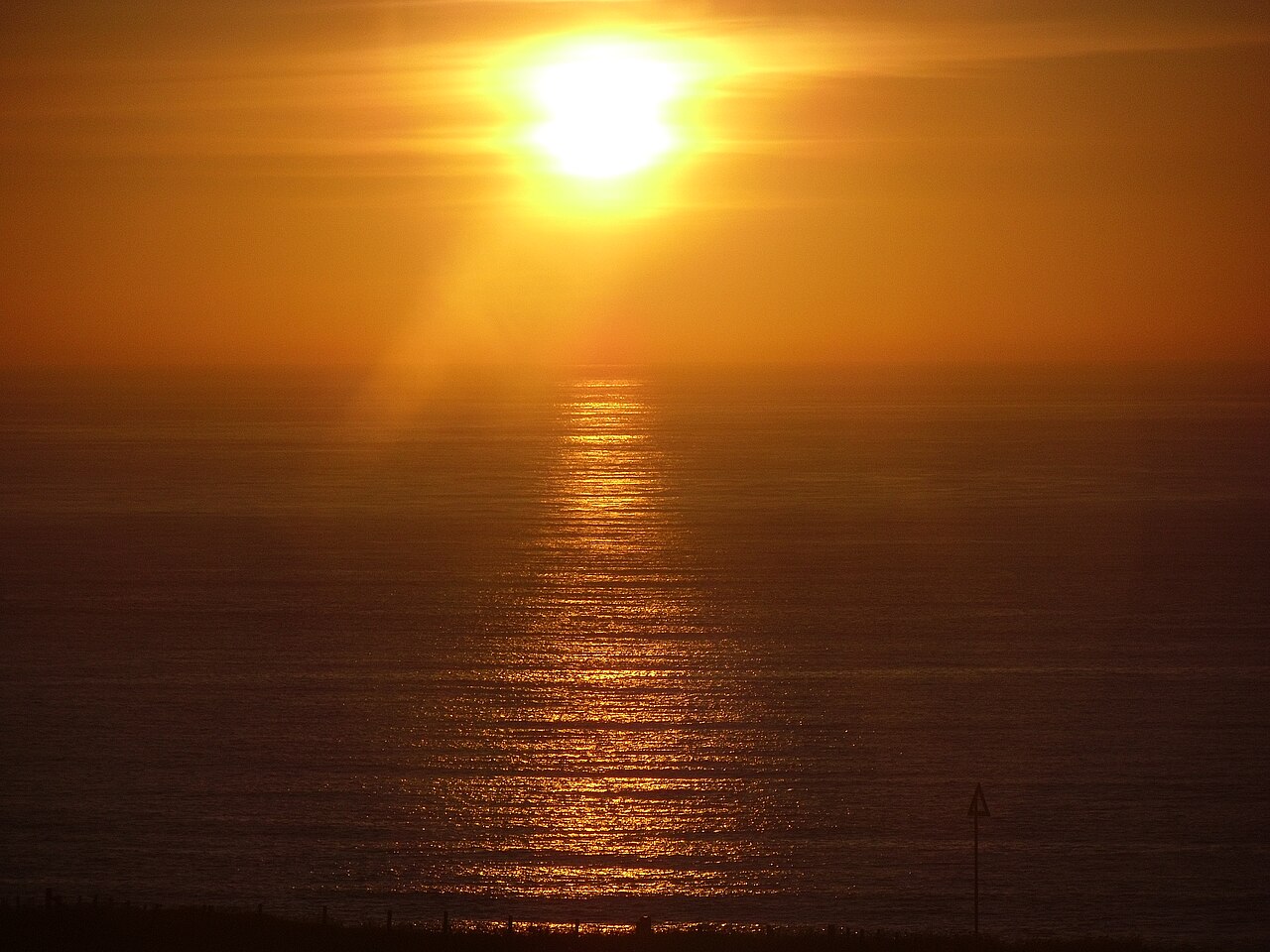
The North Sea south of Aberdeen near summer solstice. File photo. Peter Robinson · CC BY-SA 2.0
STV News reports a different number: 6.5% of UK Continental Shelf gas production, enough to heat more than 1.4 million homes. Nobody else has confirmed that figure, so treat it with caution.
Now here's the other side.
Tessa Khan runs the anti-oil group Uplift. She says Jackdaw will meet only around 2% of UK gas demand, for about ten years. And the platform will be largely unmanned, run by remote control. So it will do little for jobs in the North Sea.
Unions disagree completely. Gary Smith, general secretary of the GMB, welcomed the approval. He wants Rosebank approved next.
Andy Burnham saw this coming months ago. Back in July, he said he would take a quote "pragmatic approach" to North Sea oil and gas.
And the politics cut both ways here.
Scotland's First Minister John Swinney has gone softer on Jackdaw and Rosebank than his SNP predecessors, Nicola Sturgeon and Humza Yousaf. Unions campaigned hard for these permits in north-east Scotland. That is a region Labour needs.
But there's a warning sign too. A poll for the climate group E3G, done by Savanta, found that about a third of voters would be less likely to back Labour if it approves more North Sea drilling. That includes about a third of past Labour voters. And roughly half of those aged 18 to 24. Nobody has independently replicated that poll yet.
The Conservatives say it is not enough. Andrew Bowie, the shadow energy secretary, says Labour was quote "dragged kicking and screaming" into approving Jackdaw. He wants Rosebank approved too. He wants the licence ban scrapped. And he wants the Energy Profits Levy abolished completely.
So what about Rosebank, the bigger prize? Still undecided.
That decision is harder. Rosebank would produce around seven times Jackdaw's carbon emissions. And most of its oil would be exported, not used here in Britain.
So Jackdaw is approved. Rosebank is not. And Labour has not said when that decision comes.
Nothing here was paid for by an advertiser. Members are the entire business model. This story is Silver's: it opens everything we have ever written, and our investigations first.