Kemi Badenoch just refused to apologise to Andy Burnham over amputees
2 days ago · 19 November 2026Share
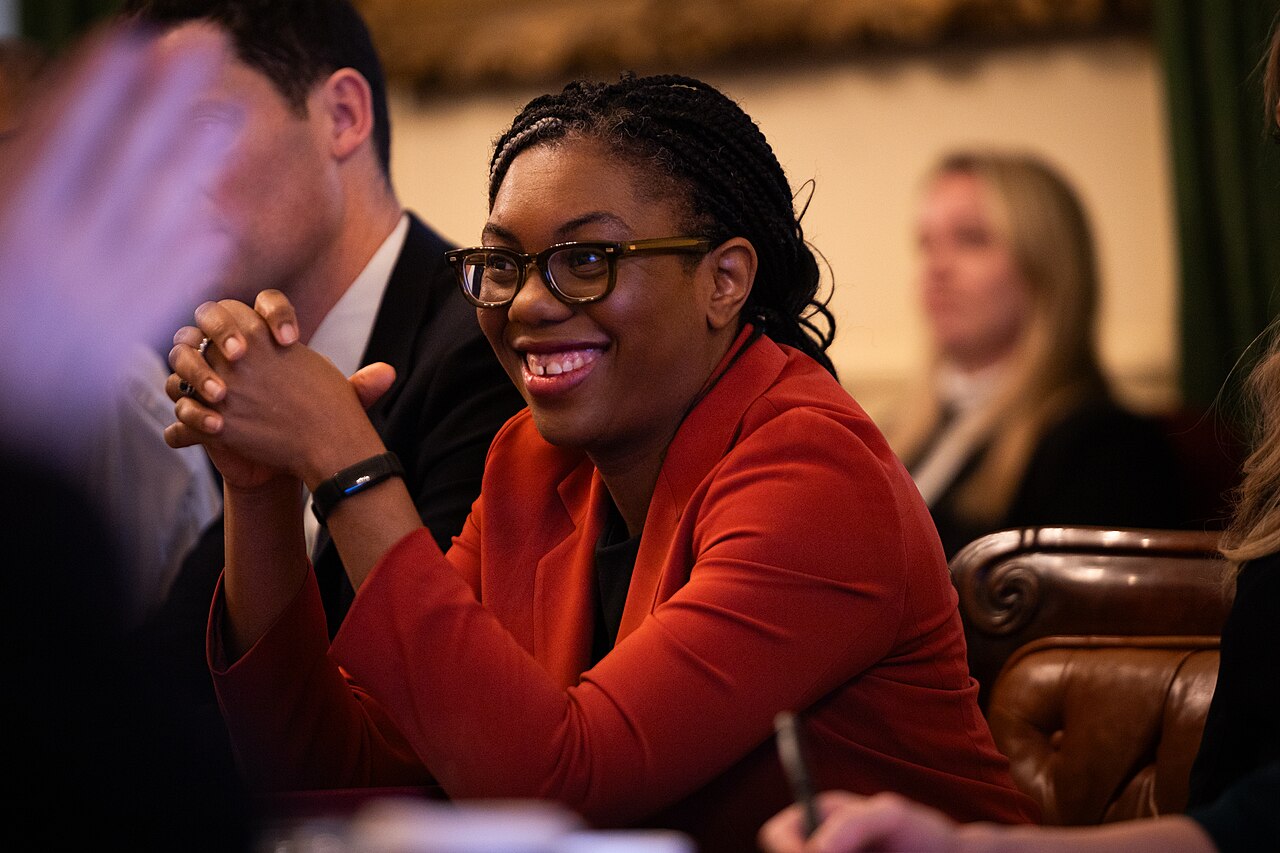
Kemi Badenoch attends a political cabinet meeting at 10 Downing Street, London, on 23 January 2024. File photo. The Conservative Party · CC BY 2.0
Kemi Badenoch just won't take it back.
Nine days ago, the Conservative leader stood up and launched a welfare plan worth £36 billion in cuts. And she picked a line to sell it.
She said: "Double amputees run marathons. People who are housebound do wonderful creative work from home. People with autism run some of the biggest tech companies in the world."
So who did that land on? Richard Whitehead.
He's a Paralympian. A double-leg amputee. He's run more than 100 marathons, set world records, won four Paralympic golds.
And he was not flattered. He said quote "gobsmacked" that his sporting success would be weaponised like that. He called it very divisive language.
Then he posted this on social media. Disability should never be judged through isolated examples of individual achievement. It should be judged by the barriers people and families face every day.
A day ago, it reached Parliament.
At Prime Minister's Questions, Labour MP Charlotte Nichols asked Andy Burnham a straight question. Should a disabled athlete's achievements ever be weaponised against others?
Andy Burnham, the Prime Minister, didn't dodge it. He said he thought Richard Whitehead's comments deserved a response, and added that Kemi Badenoch's words were "crass and insensitive".
He told her she should withdraw them.
That's the Prime Minister, at the despatch box, telling the Leader of the Opposition to take her words back.
She didn't.
This morning, on BBC Radio 4's Today programme, she was asked straight: does she accept the comments were insensitive?
Her answer: "No, no, no. I do not accept it."
The rest of this story is for members.
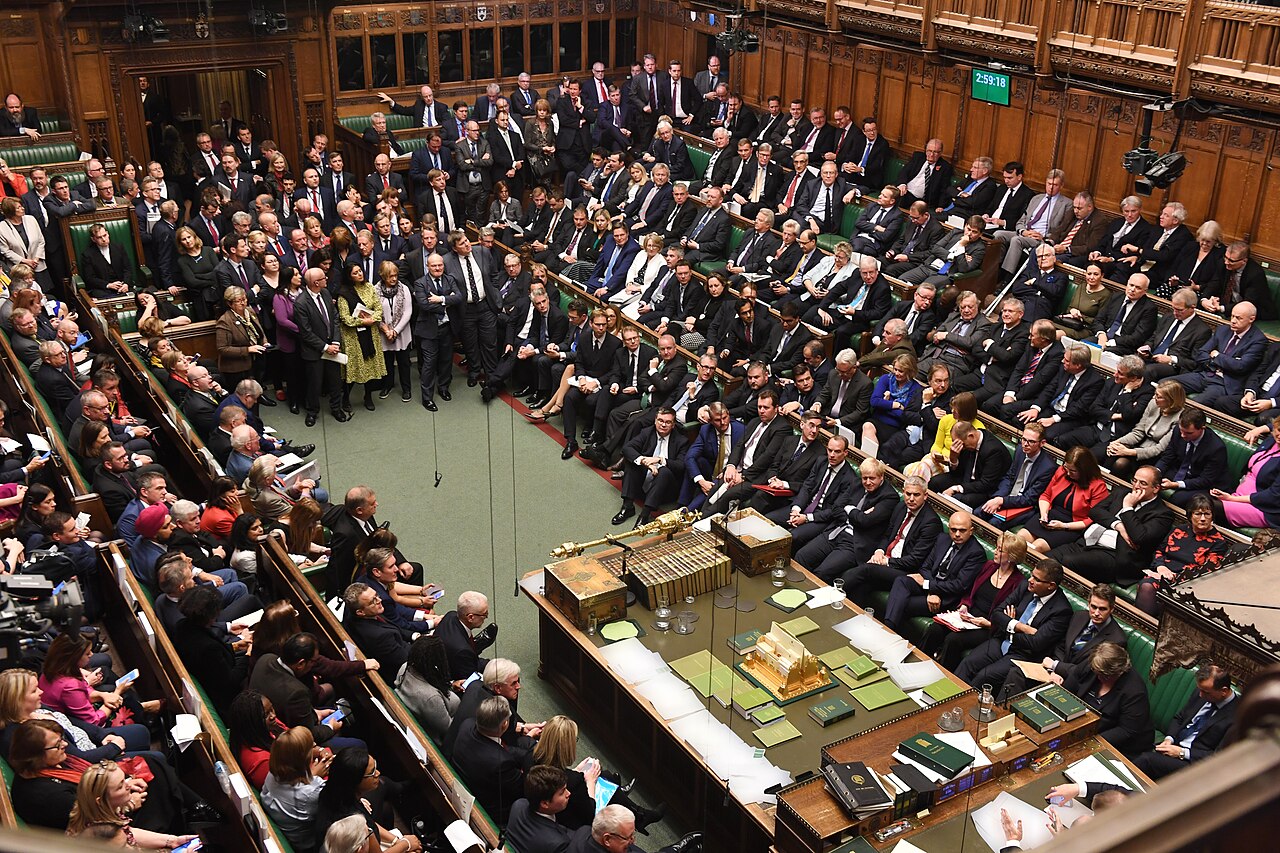
The House of Commons chamber during a sitting to debate the renegotiated Brexit deal on 19 October 2019. File photo.UK Parliament/Jessica Taylor/Stephen Pike · CC BY 3.0
And she didn't stop there. She defended the point itself.
She said if people can work, we should encourage them to work. And her message, she says, is one of hope — if people with significant problems can work, then so should people with ADHD and mild anxiety.
She did give one inch. She said she'd used unusual examples to illustrate things.
But that's all she gave. No apology. No retraction.
Here's her reasoning: she will say things as they are. People may disagree, and that's fine — this is a free country, and people know where she's coming from.
She also had a go at the interviewer, suggesting the BBC's Nick Robinson was putting on faux outrage. She wouldn't engage with what she called language and tone policing.
So here's where this actually sits now.
It isn't really about one line in a speech anymore. It's about whether a politician should ever walk back blunt language at all. And Kemi Badenoch has just told the country: not her.
Now, the money behind all this is serious. More than a third of that £36 billion in savings is meant to come from sickness and disability benefits.
One outlet, The Bubble, reports that £13.7 billion of it would come from sickness and disability reforms specifically — including removing payments for what the plan calls mild mental health conditions. That figure comes from one outlet alone, so take it as their reporting, not a confirmed number.
Labour had already gone in hard before the speech even happened. A party spokesperson said overnight that the Conservatives let the welfare bill soar on their watch, and accused them of acting as if it had nothing to do with them.
So what don't we know? Whether other Conservatives back her or quietly step away from the line. Whether Andy Burnham raises it again. And what the public actually makes of it.
Right now, the Prime Minister has asked for an apology once, in Parliament.
And the Leader of the Opposition has said no twice.
Nothing here was paid for by an advertiser. Members are the entire business model. Bronze is where it starts, and it opens the last seven days in full.