The Home Office just admitted anti-racism police schemes backfired and trust is sinking
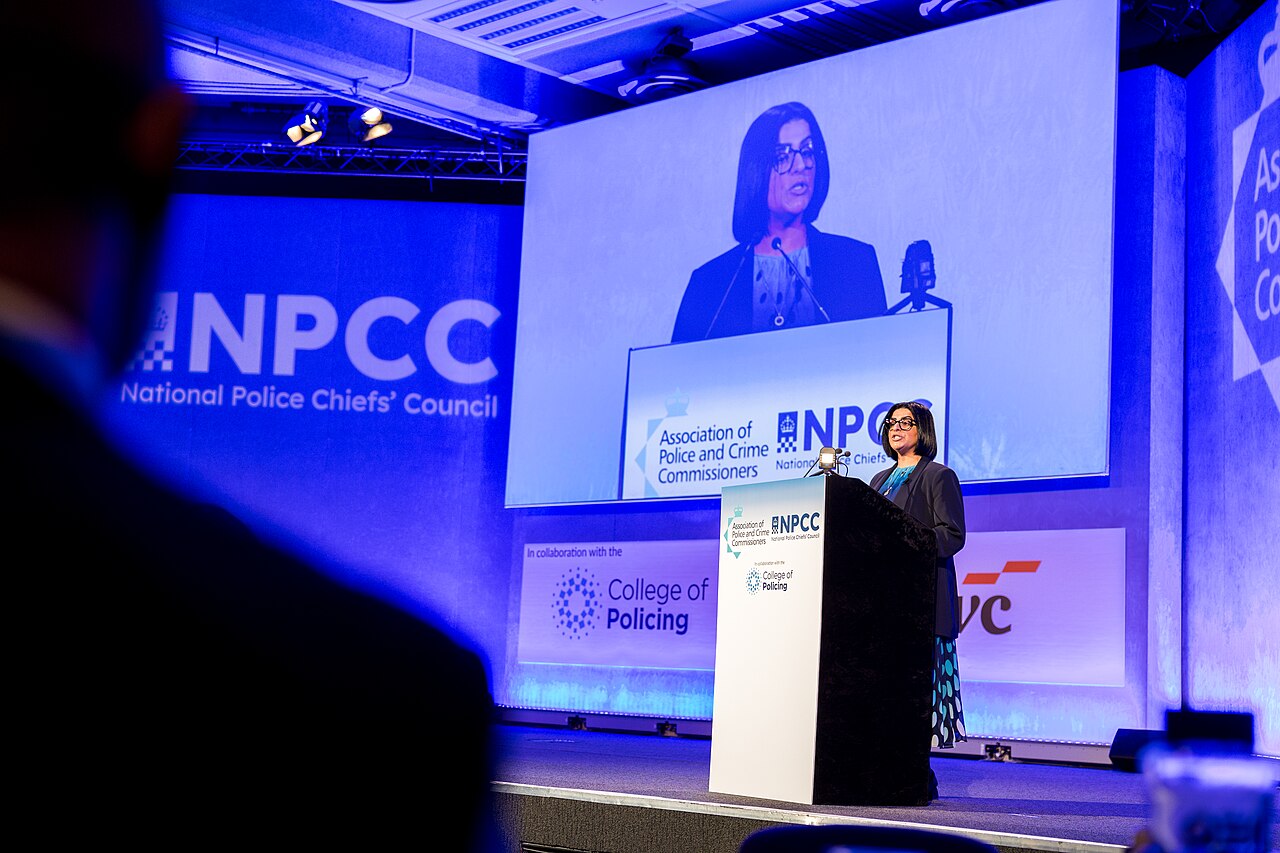
Shabana Mahmood, the Home Secretary, just set out plans to fix Britain's two-tier policing problem.
She gave a speech to the National Police Chiefs' Council a few hours ago, in central London.
So what is she actually doing? Two things.
First, a new national rulebook on police impartiality. Second, a fast-track scheme to fix weak police leadership.
Let's start with impartiality.
The College of Policing is building one single standard. Right now the guidance is scattered. This brings it into one place.
And it covers real situations. Can an officer wear a badge or a lanyard with a political symbol on it? How should an officer behave at a community event? Those are the kind of questions it answers. It goes out for public consultation next year.
Shabana Mahmood has a message for officers. Stay out of politics.
She says quote "Leave the politics to the politicians – and we will leave the policing to you."
So a residents' meeting is fine. A protest group or a campaign group is not.
And here's the part that is genuinely new. She goes after her own side.
She says some "well-intentioned approaches" have risked undermining confidence in impartial policing. She names one directly: the Police Anti-Racism Commitment.
That's a Labour Home Secretary saying an anti-racism scheme inside policing may have made trust worse, not better.
So why is she doing this now?
Here's the number. A poll by More in Common, done earlier this year, found that a third of Britons believe police favour people from ethnic minority backgrounds over white people. Two years ago that figure was half what it is now.
Shabana Mahmood also has a message on representation. She calls it "shameful" that 33 years after the murder of Stephen Lawrence, a black teenager, the share of black officers in the workforce has barely moved. One report puts the current figure at just over one percent, though that exact number is not confirmed elsewhere.
Comments
None yetAlready a member? Log in.