Home Office ministers just refused to back Andy Burnham on free movement and Labour is splitting
3 November 2026 · 3 November 2026Share
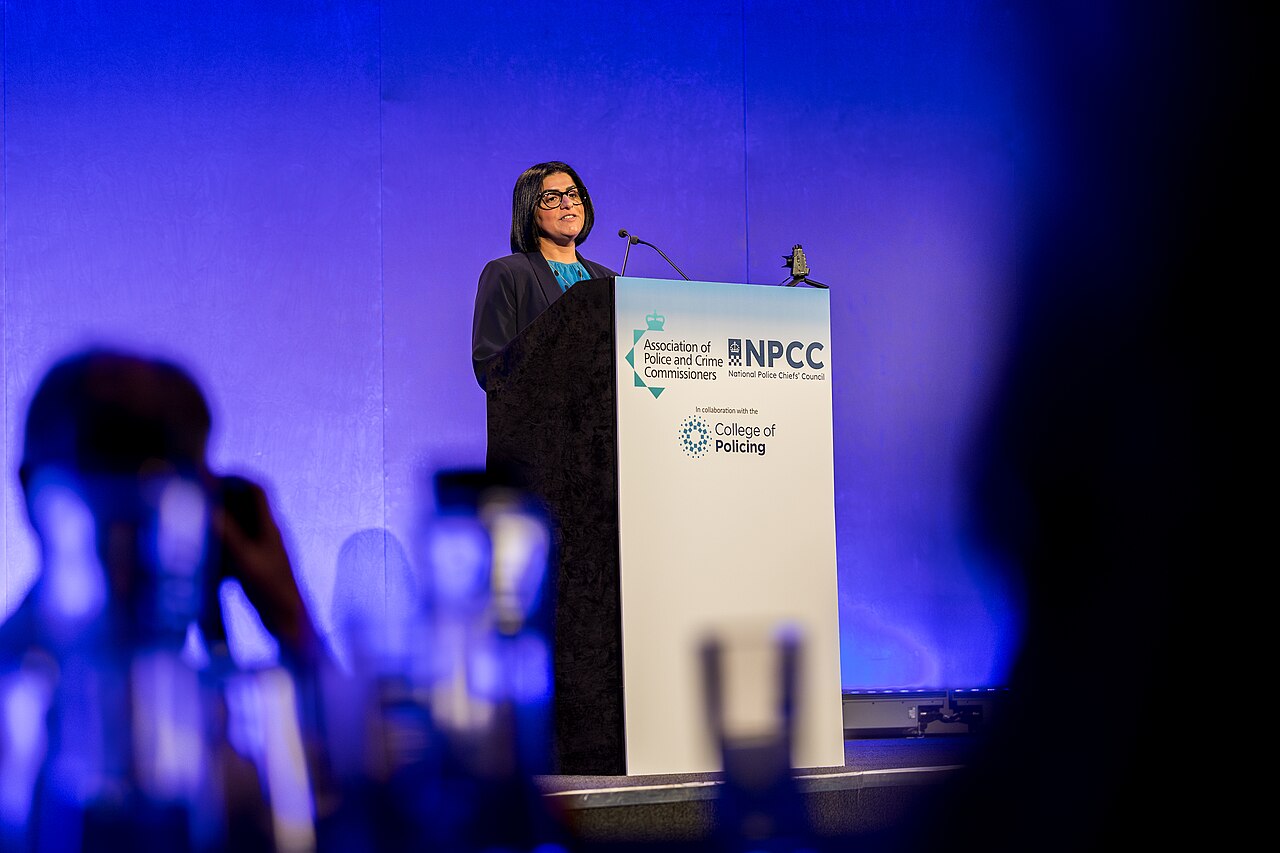
Home Secretary Shabana Mahmood sets out her vision for policing reform at the 2025 APCC NPCC Partnership Summit. File photo. UK Home Office · CC BY 4.0
Andy Burnham just said he has not proposed bringing back freedom of movement between Britain and the EU.
He said it on ITV earlier today. He was in Antigua at the time, ahead of the Commonwealth summit.
So what did he actually say?
He wants the public to be, in his words, the boss of Britain's future relationship with the EU. He says Britain needs an honest talk about how temporary EU migration has turned into long-term settlement since Brexit.
But here's the thing. He also told his Cabinet, in a letter, not to back any specific option on Europe in public.
And that instruction is already being tested. Two of his own ministers won't say where they stand.
First, Shabana Mahmood, the Home Secretary. Asked today if she personally wants free movement back, she declined to "indulge" the question.
She told Sky News quote "keen on abiding by our manifesto".
She also said losing EU-wide databases after Brexit, in her words, had a very significant impact on Britain's ability to manage migration.
So the Home Secretary names a cost of Brexit. She still won't say if she wants free movement back.
Then there's Anna Turley, the Border Security Minister. Sky News asked her the same question. She didn't answer it either.
Instead she talked about sorting out the system and stopping small boat crossings. That answer was reported by Brit Brief. It was not in the AOL and Evening Standard wire report, which does not mention her at all.
So this is not yet a confirmed joint rebellion. Mahmood declined to answer. Turley changed the subject. Both held back public support for Burnham, but their answers were not the same.
Now, why now. This comes a day after Mahmood defended a reworked settlement policy in the Commons, after being accused of a U-turn.
Here's what changed. The highest earners, on at least £125,141 a year, can now settle in Britain within three years. People earning more than £50,271, plus some public service workers including doctors, nurses and teachers, can settle after five years.
The rest of this story is for Silver and Gold members.
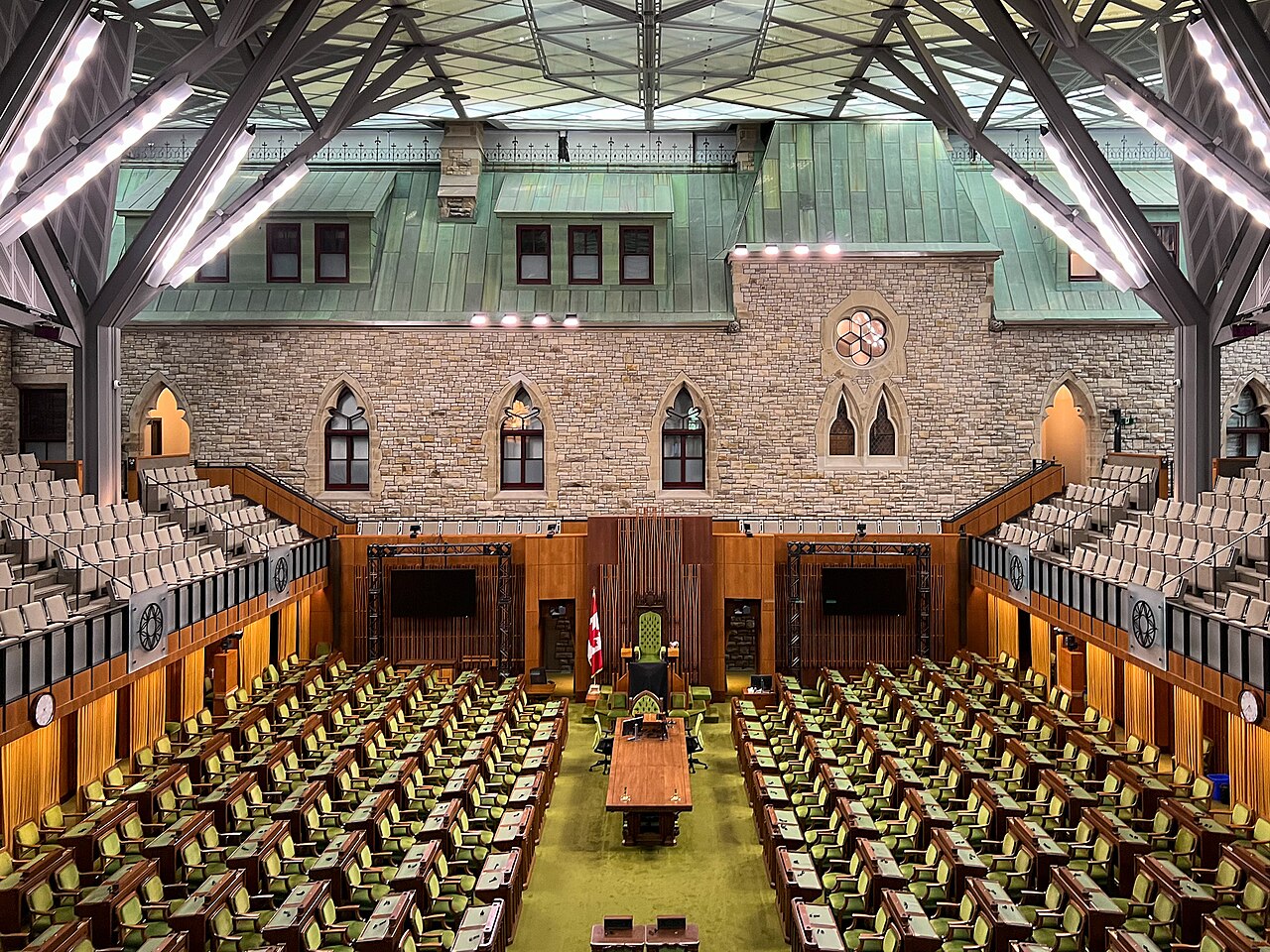
The temporary House of Commons chamber at West Block in 2022. File photo. Hutima · CC BY-SA 4.0
Foreign care workers who meet visa conditions and earn at least £25,000 a year now wait five years for settlement. That is down from an originally proposed 15 years.
How many does that help? The Guardian puts it at about 280,000 care workers and their dependants. Brit Brief and Nigel Farage put it at 300,000. Neither number is an official government figure.
Care workers who don't qualify for five-year settlement can get a new five-year visa, then apply after that. Everyone else now faces a default wait of 10 years. Channel small-boat arrivals wait 20 years, rising to 30 if they don't work or study.
Mahmood told the BBC she does not accept she has turned her back on cutting net migration. She said about 500,000 people who were due to settle at five years will not now do so.
Chris Philp, the Conservative shadow home secretary, calls it a U-turn and says it will cost the taxpayer £10 billion. The Telegraph's own front page carried the same figure. Mahmood has not put forward a rival costing of her own.
So that's an opposition number, used twice, and so far unanswered.
Nigel Farage, the Reform UK leader, calls it the beginning of the capitulation. He also said quote "a very major U-turn in the position of the Home Secretary".
And this has been building for months. Angela Rayner, the Housing Secretary, called the original care worker plan un-British about five months ago. Miatta Fahnbulleh, then Energy Secretary, repeatedly refused to say she backed stretching out the settlement wait. She later said it would have been tough on her own family, who came to Britain as refugees.
Burnham has told MPs there is, in his words, no confusion at all about his position on a referendum on rejoining the EU. He has committed to Labour's manifesto red lines, ruling out the customs union, the single market or free movement for the rest of this Parliament.
Weeks ago he said no when asked if he'd allow free movement back without a referendum first. Downing Street later said he was not leaning either way.
Burnham wants to finalise separate EU deals at a Brussels summit on 20 November, covering food and drink trade, emissions and a youth scheme for young people.
So what don't we know? Whether other Cabinet ministers follow Mahmood and Turley. Whether Burnham acts against either of them.
Burnham says the public will decide Britain's relationship with Europe.
Right now, his own Home Office won't say what it wants that decision to be.
Nothing here was paid for by an advertiser. Members are the entire business model. This story is Silver's: it opens everything we have ever written, and our investigations first.