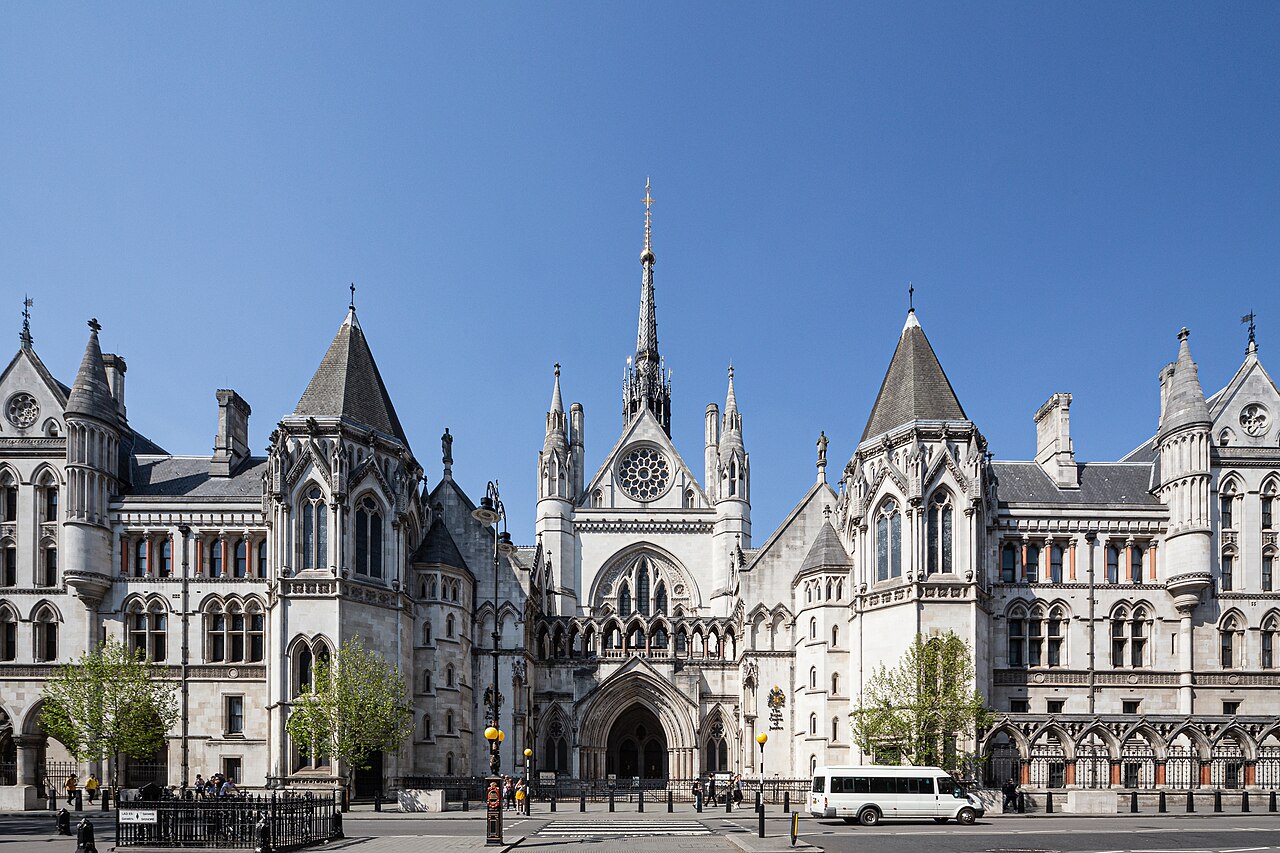
This case has been here before. The High Court threw it out almost eight months ago. The Court of Appeal later ordered a fresh hearing. That hearing is happening right now.
So what is the judge actually deciding today? Not sovereignty. Just whether the case can go forward to full scrutiny.
That's everything we know.
Why this mattersSo why does this matter?
Because this case asks a simple question. Did Chagossians get any say in giving away their own homeland?
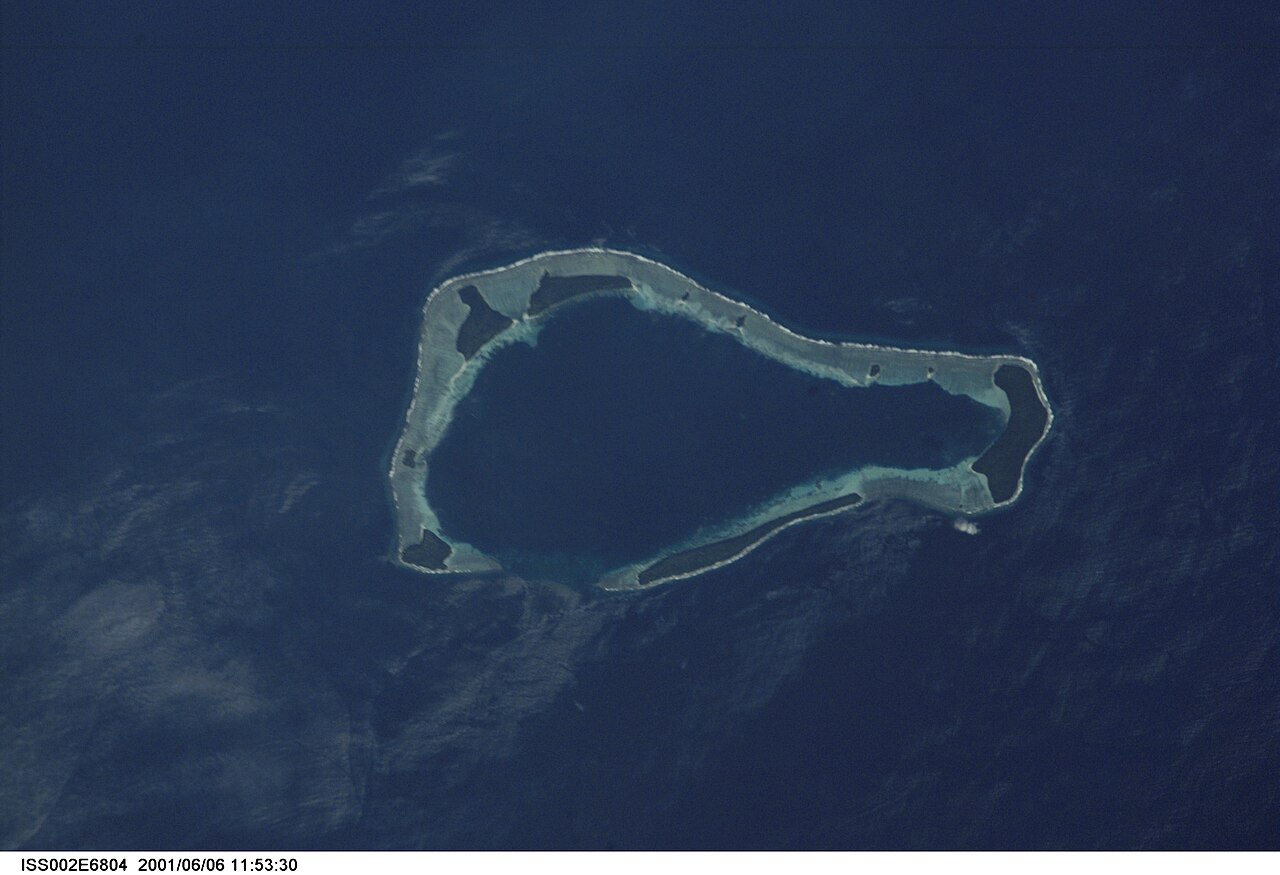
Here's the background. Britain has run the Chagos Islands since the early 1800s. Then, between 1967 and 1973, Britain forcibly removed the Chagossians who lived there. It built a US-UK military base on Diego Garcia, the biggest island.
In 2019, the top UN court said that was unlawful. Thirteen votes to one. It told Britain to end its control of the islands as fast as possible.
So last year, the government made a deal. On 22 May 2025, Keir Starmer, the Prime Minister at the time, signed a treaty with Navin Ramgoolam, the Mauritian Prime Minister. Mauritius gets sovereignty over the whole archipelago. Britain gets to keep running the Diego Garcia base, for 99 years.
And that lease is not cheap. Britain will pay Mauritius £101 million a year, on average, for 99 years. Add it up and that is £3.4 billion.
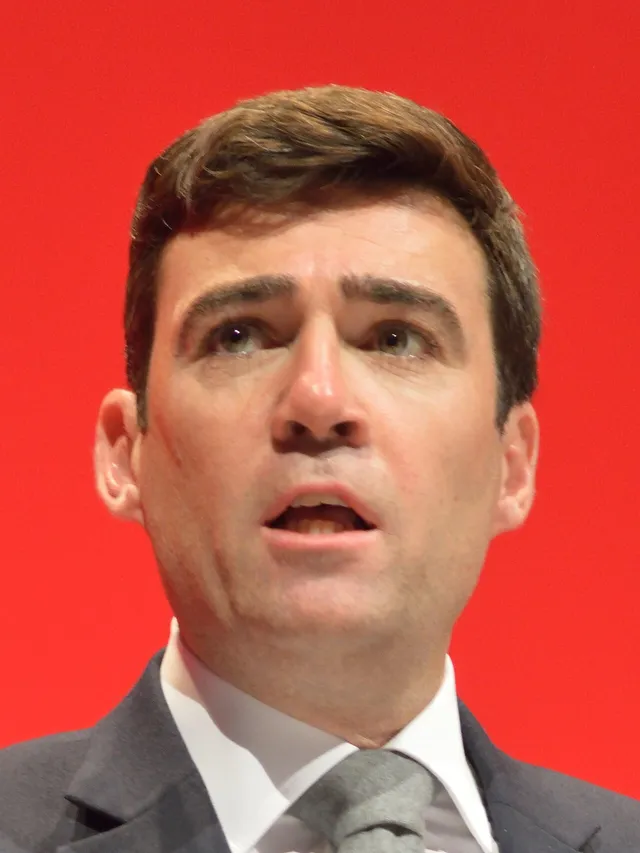
The treaty is not law yet, though. The United States has not agreed to change the 1966 deal the base runs on. Without that, nothing moves. Andy Burnham, the Prime Minister now, said two months ago he would work towards a resolution.
The claimants say none of this was properly put to the Chagossian people themselves.
Take Louis Michel Mandarin. He was born on the islands. He was removed as a teenager. He has spent decades trying to go home. And he says the government decided his homeland's future without him.
There is money behind this fight too. Great British PAC has put more than £50,000 into the Chagossians' legal costs.
The government has not responded to today's hearing. Its position so far has been that the treaty protects Britain's strategic interests, while settling years of legal pressure from Mauritius and international courts.
So what happens if the claimants win today?
It would not settle anything on its own. It would only mean a full court gets to examine whether the government's decision-making was lawful. That hearing could take months.
And if the government loses that one too? Nobody knows if it would appeal. Nobody knows if Parliament would ever ratify a treaty the courts have found fault with.
Right now, in Court 69, nobody knows which way the judge is leaning.