British waters just produced a record octopus boom and fishermen are losing millions
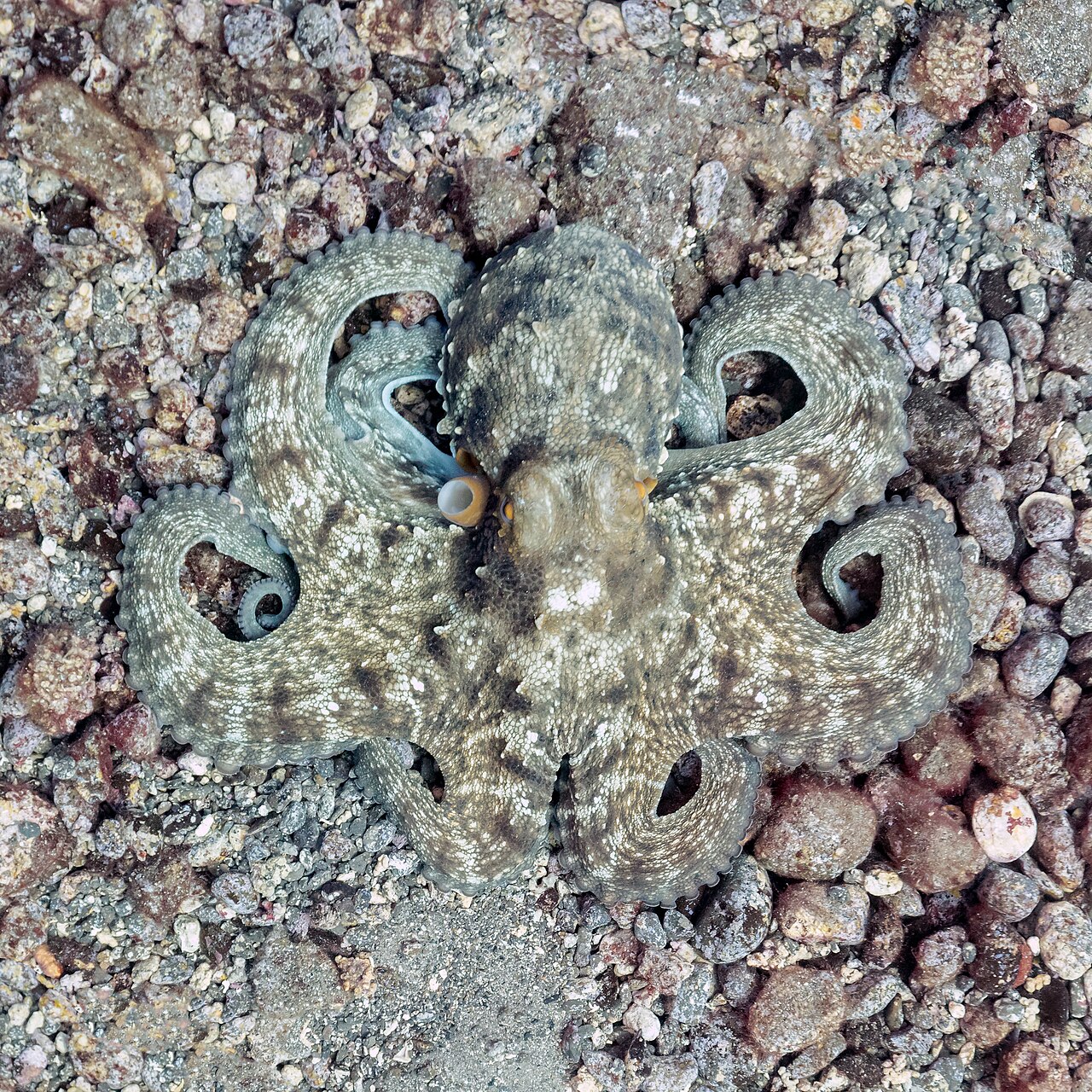
British waters are producing octopus in numbers nobody alive has seen before.
So how big is this?
Octopus landed at UK ports have jumped nearly 1,500% since 2021. The old annual average was around 220 tonnes. Last year it hit more than 3,700 tonnes.
Scientists say this is the biggest octopus surge off the south-west coast of Britain in at least 75 years. Records go back to 1899. In all that time there have only been four blooms like this. 1899 to 1900. 1932 to 1933. 1950 to 1951. And now.
This one started in the South West of England in spring 2025. And numbers have stayed high right through into 2026.
So why is this happening?
Researchers at the Marine Biological Association, working with Plymouth Marine Laboratory and the University of Plymouth, say warmer sea temperatures are the likely driver. They also found that ocean currents and winds probably carried octopus larvae north, from France and the Channel Islands.
Here's the detail most people miss. Guernsey has had its own octopus bloom since 2024. And the same research found that larvae from Guernsey likely fed the UK surge too.
Now, why does this matter to anyone who isn't a scientist?
Octopus eat crab, lobster and scallops. And those are exactly the shellfish that much of the South West's fishing fleet depends on.
The Marine Biological Association surveyed 40 working fishermen for a report published in January. More than half said the octopus had hurt them. In some fisheries, catches fell by 30% to 50% during 2025. Losses to the affected fisheries passed £10 million that year.
At a Defra conference on the octopus numbers, delegates said shellfish stocks had been decimated by octopus eating them. And they raised another problem on top of that. More boats are now working the same grounds trying to catch octopus instead. That is causing tension and safety concerns on the water.
Comments
None yetAlready a member? Log in.