Britain just hit its highest inflation in a year and mortgage rates could follow
21 October 2026 · 21 October 2026Share
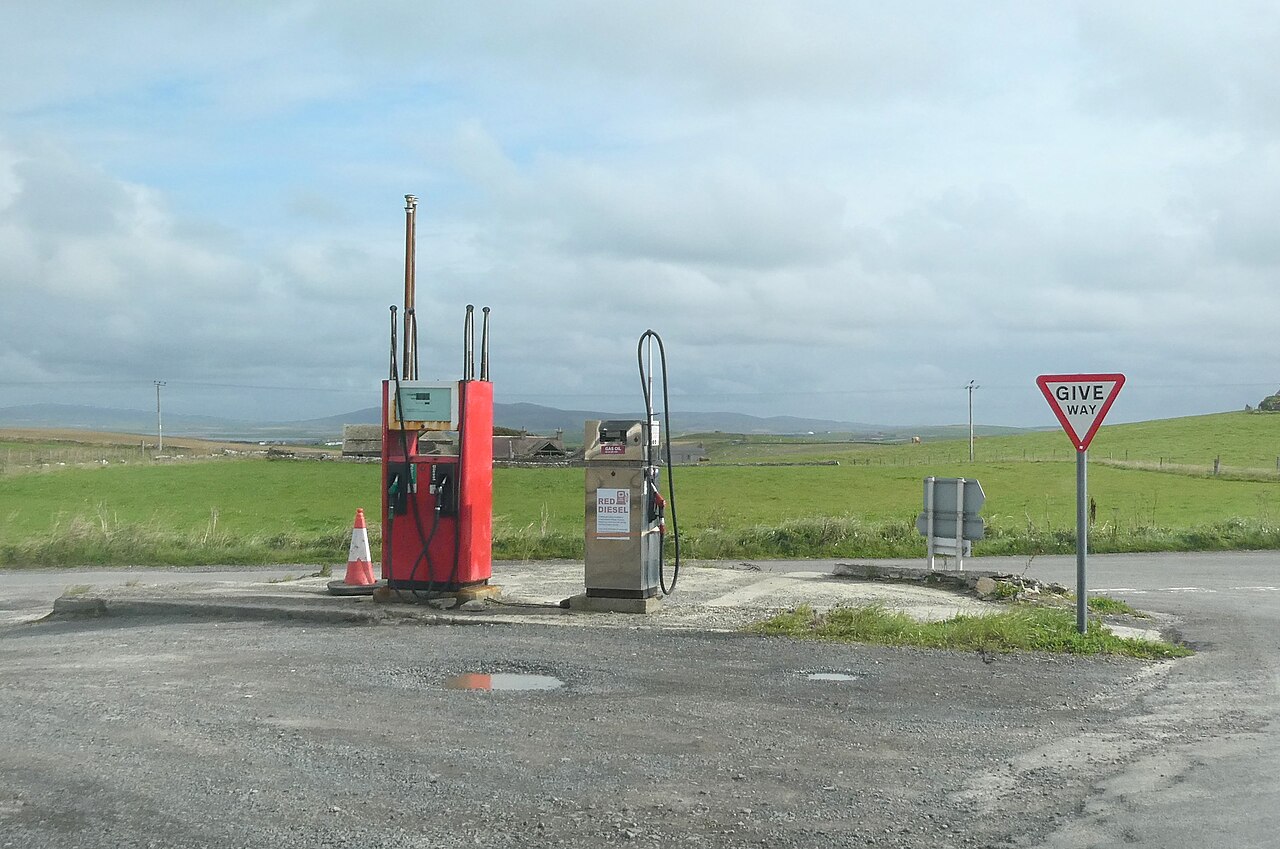
Red diesel on display at a UK forecourt. File photo. Des Blenkinsopp · CC BY-SA 2.0
UK inflation just went up again. So let's get straight into the numbers.
The Office for National Statistics says prices rose by 3.5% in the year to September 2026. That's up from 3.1% in August. And it's the highest rate in almost a year, since October 2025.
It also beat what markets were expecting. The forecast was 3.4%. The real number came in higher.
So what pushed it up? Fuel. Mostly fuel.
Diesel is now at its most expensive since July 2022. That's 192.5 pence a litre. Petrol is at its highest since August 2022, at 169.5 pence a litre. Put it together and motor fuel prices are up 29.8% over the year, compared with 23.0% the month before. Transport costs rose 6.6%. That's the single biggest push on the whole figure.
Grant Fitzner is the chief economist at the ONS. He says inflation quote "climbed notably in September to its highest annual rate in almost a year". He also says fuel was quote "again the main driver, with the cost of diesel the highest since July 2022".
And here's where this fuel problem started. The Iran war broke out eight months ago, at the end of February. That fighting squeezed oil supply through the Strait of Hormuz. Prices have been climbing ever since.
Now, there's a broader measure too. CPIH, which includes housing costs, rose by 3.6% over the year, up from 3.3% the month before.
What about prices without fuel and food swings? Core inflation, stripping out energy, food, alcohol and tobacco, rose to 2.8%, up from 2.6%. Services inflation, the number the Bank of England watches hardest, rose from 3.4% to 3.7%. And goods prices alone rose 3.2%, up from 2.7% — the highest for that measure since September 2023.
The rest of this story is for Silver and Gold members.
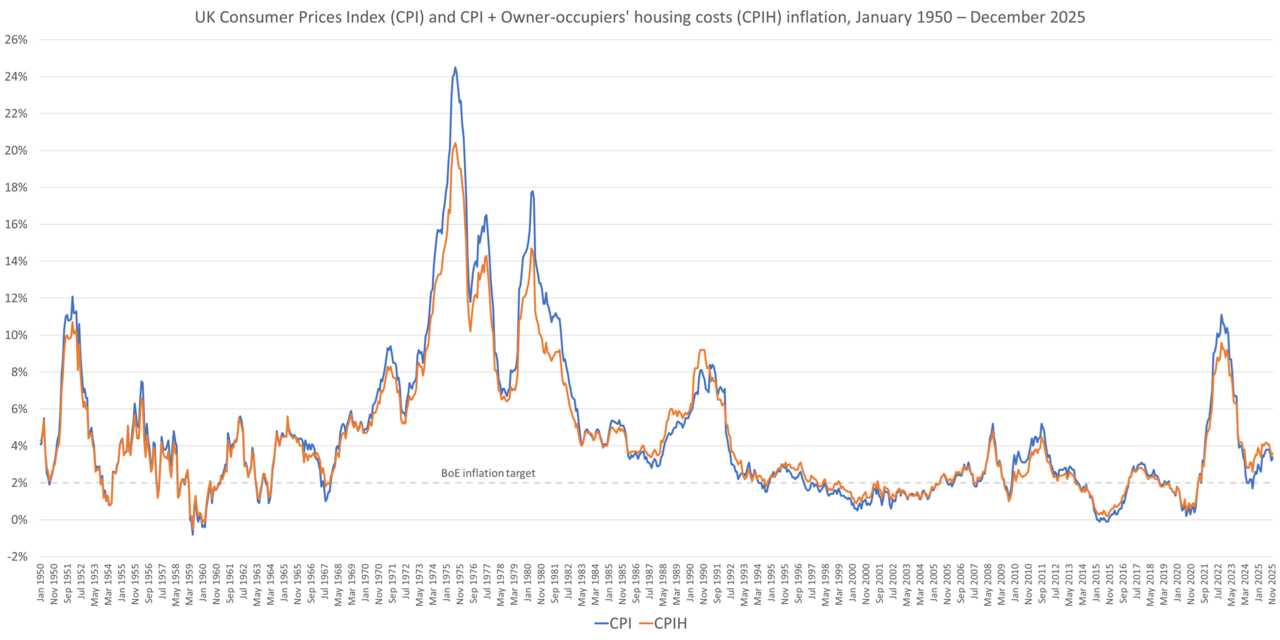
UK CPI and CPIH inflation rates since 1950, showing the recent rise to September 2025 levels. Firebrace · CC BY 4.0
So how does Britain compare? Higher than France, at 3.4%. Higher than Germany, at 3.3%. Same month, same measure.
Now here's the part that hits people directly. This number decides how much the state pension goes up next April.
The triple lock works like this. Pensioners get whichever is highest out of three numbers: September's inflation, July's earnings growth, or 2.5%. This year, earnings growth was higher, at 3.9%. So that's the figure that applies.
What does that mean in pounds? The full new state pension is expected to rise from £241.30 to about £250.70 a week. That's £13,036 a year. The basic state pension is expected to rise to £192.10 a week, or £9,989.20 a year.
And here's something that has never happened before. The new state pension is set to go above the frozen personal tax allowance of £12,570, by £466.40. The Treasury will confirm the exact numbers at the Budget.
Chancellor John Healey delivers that Budget in a week, on 28 October. He's reported to be facing a £35 billion gap to fill. And now he's got a pensions bill that keeps growing, at the same time as an inflation number moving the wrong way.
What's the Bank of England doing about rates? It held the Bank Rate at 3.75% at its last meeting, on 16 September. The vote was 6–3, with three members wanting to go to 4%. At that same meeting, the Bank forecast inflation climbing further still, to around 3.75% in the last quarter of this year, and just above 4% in the first quarter of next year. Today's figure fits that upward path. The Bank has not responded publicly to today's release.
So what does this mean for mortgages? Higher, stickier inflation makes a rate cut less likely soon. So mortgage rates that might have come down are more likely to hold, or rise instead.
What we don't know yet: whether this figure moves again before the Budget, and whether the pension numbers change once the Treasury confirms them on 28 October.
Nothing here was paid for by an advertiser. Members are the entire business model. This story is Silver's: it opens everything we have ever written, and our investigations first.