Britain just gave its military a permanent job fighting wildfires from the sky
23 October 2026 · 23 October 2026Share
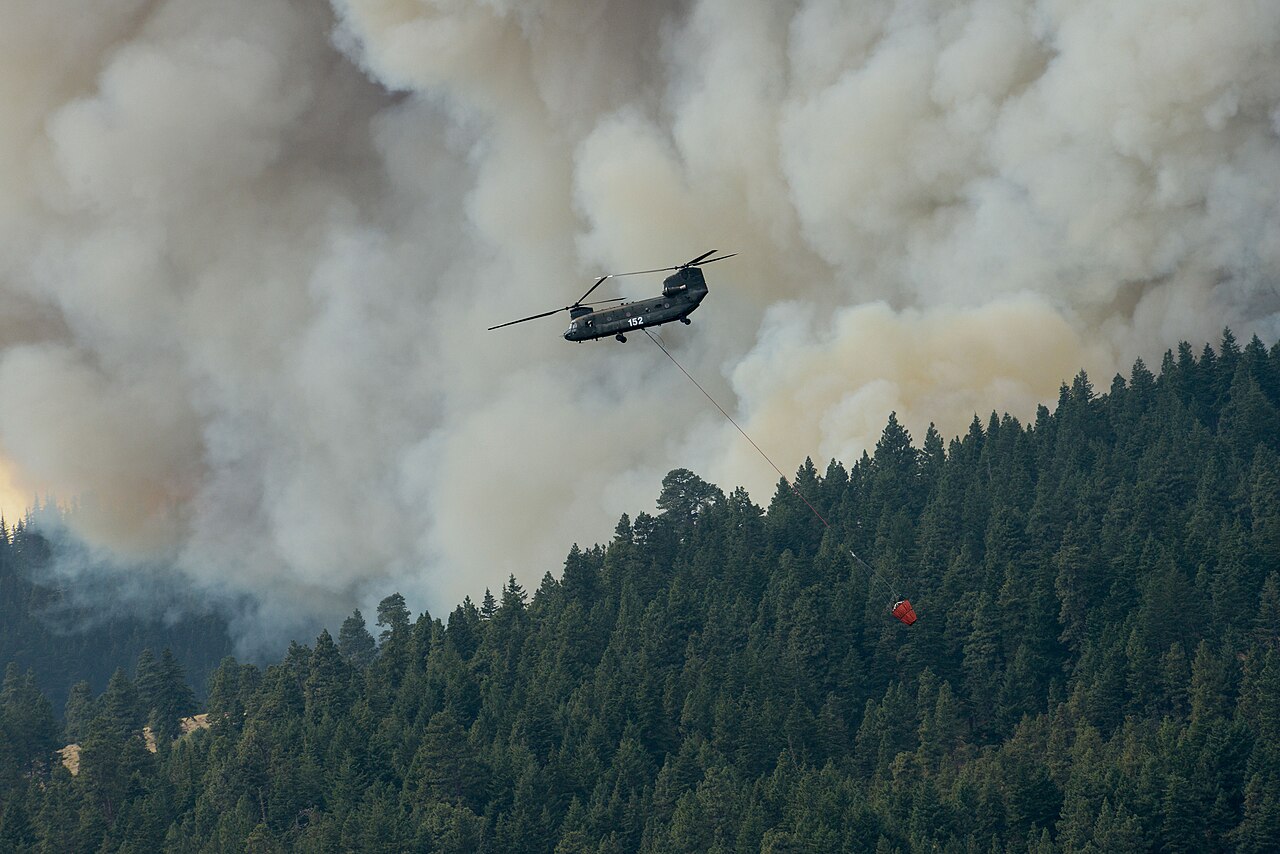
A CH-47 Chinook helicopter dumps water from a Bambi bucket onto the Government Flats Complex fires near The Dalles, Oregon. File photo. oregonmildep from Salem, Oregon, United States · Public domain
Andy Burnham just gave the military a permanent new job: fighting wildfires.
RAF Chinook helicopters and A400M transport planes will now be kept ready to fight fires from the sky. It is the first time Britain has had its own military aircraft standing by for this.
The Prime Minister announced it a few hours ago. Then this morning, he hosted England's first wildfire resilience summit. Fire chiefs, local leaders and experts were all in the room.
So how will it work? When fire crews need help on remote moorland, steep hillsides or other ground engines cannot reach, they can call in the aircraft.
So why now?
Here's the number that explains it. Emergency services in England and Wales have already attended 1,132 wildfires this year. That is more than the whole of last year, and it was only the middle of August.
Andy Burnham says quote "I stood in Stourbridge and watched families lose everything".
That's the Prime Minister naming the fire that changed his mind. In August, a wildfire in Stourbridge, in the West Midlands, destroyed 19 homes.
Andy Burnham says quote "we cannot put people through another summer like this one".
And this summer was the hottest on record, according to the Met Office. The Met Office also says climate change made this summer's heat around 130 times more likely.
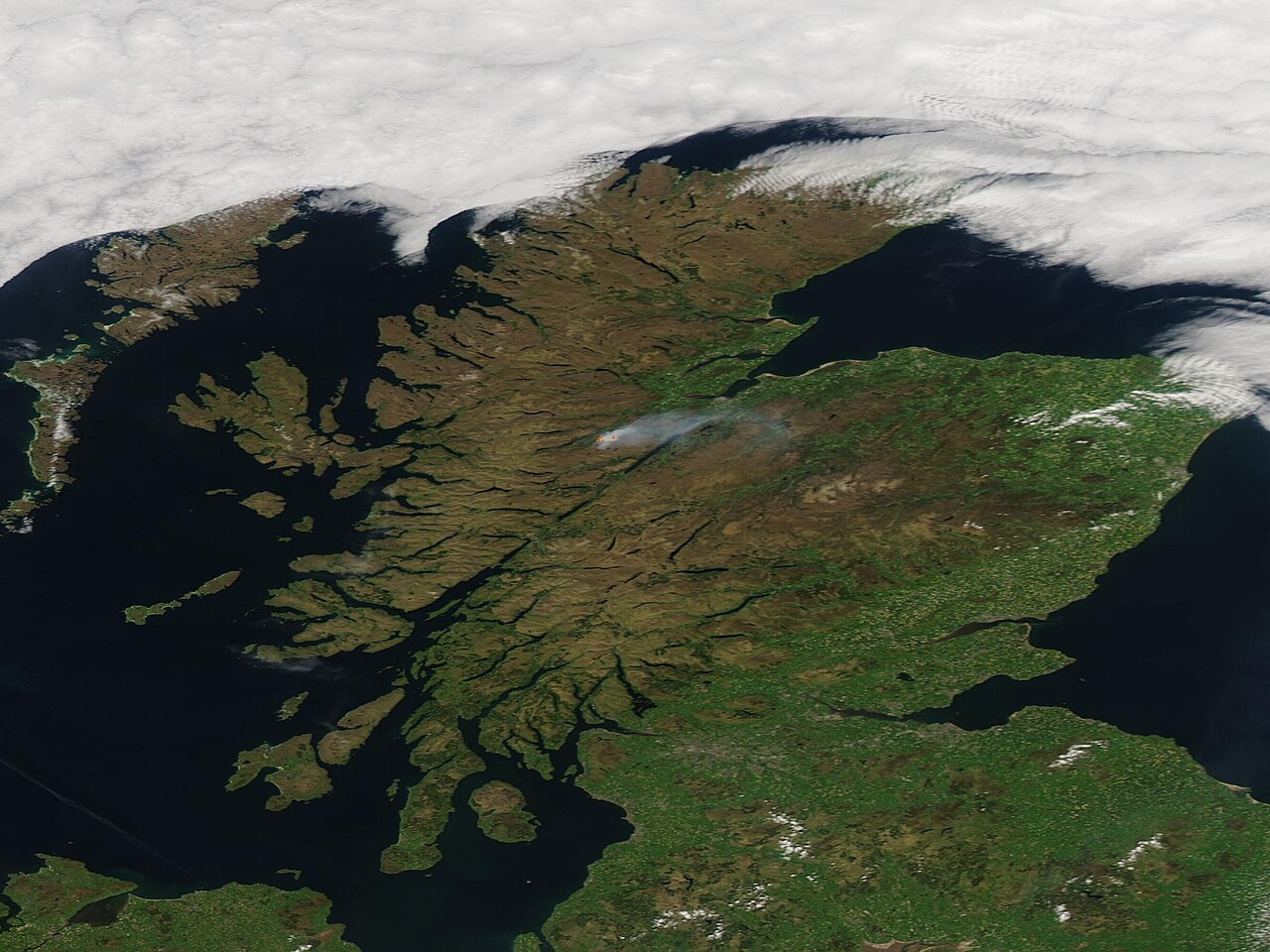
On 14 August, a nationwide phone alert went out across England and Wales, warning of a very high wildfire risk. Big wildfires broke out this summer in the Scottish Cairngorms, in Northern Ireland's Mourne Mountains, and in the Rhinogydd mountains in South Wales too.
A report from Parliament's Environment, Food and Rural Affairs committee, published this week, put it plainly. Wildfires are now part of Britain's new reality.
So what does defence actually get out of this?
The rest of this story is for Silver and Gold members.
Contains modified MODIS satellite data showing a wildfire in the Scottish Highlands on May 28, 2023. MODIS Land Rapid Response Team, NASA GSFC · Public domain
Wes Streeting, the Defence Secretary, says the Chinooks and A400Ms will fight wildfires from the sky for the first time. He says defence is stepping up to give the emergency services more support.
That's the military taking on a job it has never held permanently before. One reason given: the Ministry of Defence is the UK's second-largest landowner. Civilian fire services can still separately call in military help through the existing process, alongside this new standing capability.
Now, the money.
Up to £45 million is going on wildfire-specific protective gear and extra specialist firefighting teams. A further £25 million will restore England's dried-out peatlands, so they work as natural firebreaks. Natural England will run that scheme, from April 2027 to April 2029.
The government says it will also look at tougher local restrictions, or even product bans, on things like disposable barbecues, to stop fires starting when the risk is high.
There is more besides. A new Wildfires AI Unit inside the Cabinet Office's National Situation Centre. Work with the Met Office on better forecasts. England's first Wildfire Action Plan.
Angela Rayner, the Communities Secretary, says this year's wildfires have been unrelenting. She says the government is building a stronger, more resilient response for the future.
That's two Cabinet ministers, not just the Prime Minister, putting their names to this.
A separate meeting between the UK government and the devolved governments will coordinate the response across all four nations. And businesses including Airbus, Google and VodafoneThree are at today's summit, setting out how satellite monitoring, connectivity and aerial technology could help.
No fire service, military figure or opposition party has criticised the plan so far.
What is not yet clear is the full running cost of keeping military aircraft on standby every year. And it is not yet clear what came out of today's summit itself.
The Chinooks and A400Ms are now on standby for next summer. Britain has never needed them before. This year, it did.
Nothing here was paid for by an advertiser. Members are the entire business model. This story is Silver's: it opens everything we have ever written, and our investigations first.