Britain just borrowed its way past three trillion pounds in debt
21 October 2026 · 21 October 2026Share
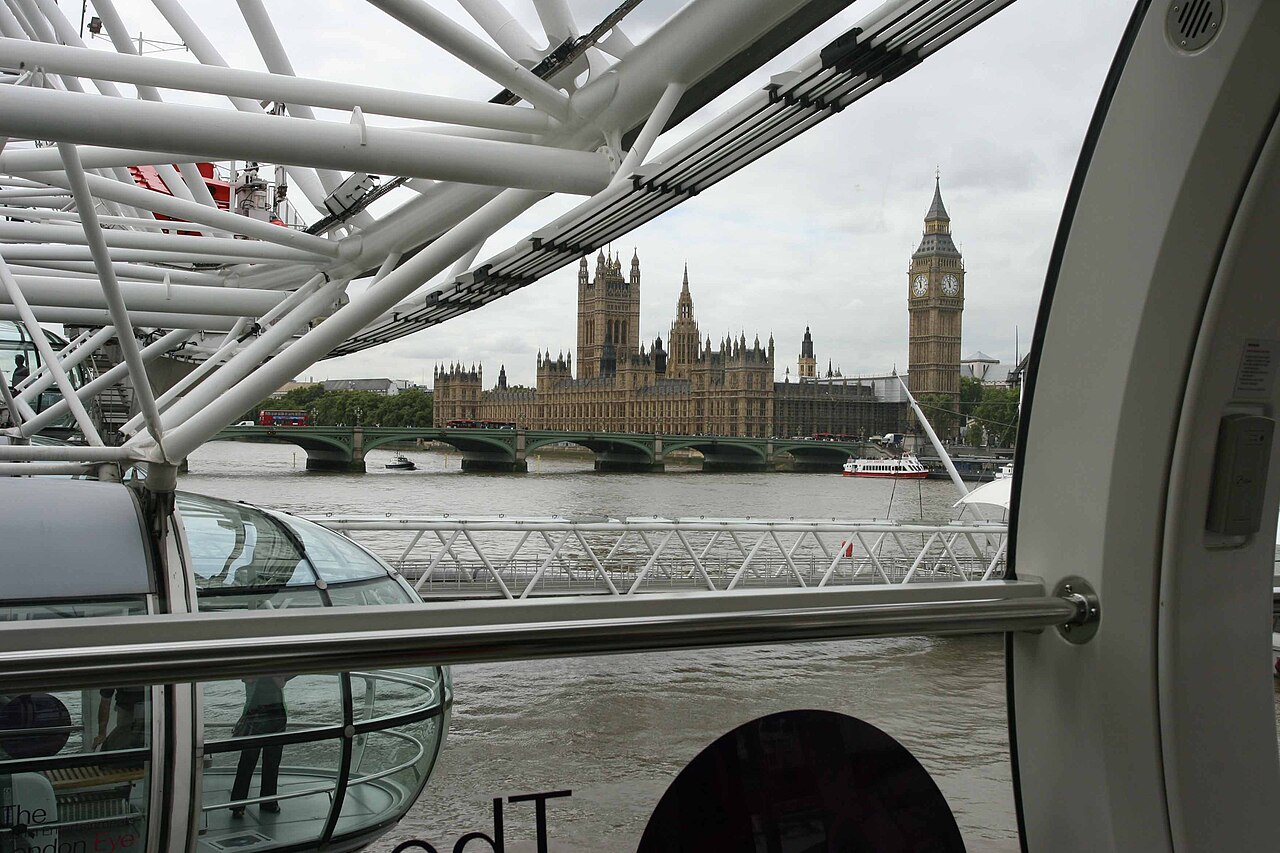
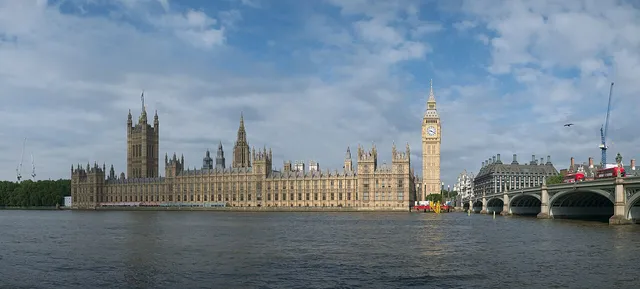
Houses of Parliament, London. File photo. Brendan and Ruth McCartney · CC BY-SA 2.0
Britain's national debt has just passed three trillion pounds.
That's the highest it has ever been.
The Office for National Statistics released the number this morning, in its public finances bulletin for September.
So is this a crisis? Well, not quite. Here's the twist.
As a share of the economy, debt is actually smaller than it was a year ago. The economy has grown faster than the borrowing has. Public sector debt stood at about 94% of GDP, roughly 0.7 percentage points down on a year earlier.
Grant Fitzner, the ONS's chief economist, says debt as a share of GDP has fallen over the year. He says it remains at levels last seen in the early 1960s.
So the record is about the size of the number. Not a sudden worsening of Britain's position.
But the borrowing underneath it is still a problem. And here's why.
September borrowing came in at £24.52 billion. Economists polled by Reuters expected £23.85 billion. So the government borrowed more than planned. And it borrowed more than the £22.76 billion it borrowed in September last year.
Now look at the bigger picture. Over the first six months of this financial year, the deficit stands at £97.8 billion.
That's £6 billion above what the Office for Budget Responsibility forecast, before the war in Iran began. It is £4.4 billion lower than the same six months a year earlier.
Grant Fitzner says borrowing in those six months was still above the official forecast.
So why is borrowing running hot? One word. Interest.
Debt interest payments reached £10.9 billion in September alone. That's a jump of almost 17% on a year earlier.
Gilt yields — the rate the government pays to borrow on the bond markets — soared in September to their highest levels this century.
The rest of this story is for Silver and Gold members.
Contains modified Capella Space satellite data of London, Greater London, England, United Kingdom. File photo. Capella Space · CC BY 4.0
City AM reports that the Labour government has spent more than £200 billion on debt interest since the 2024 election.
The government points abroad for the reason. John Healey, the Chancellor of the Exchequer, says quote "price rises from conflicts in the Middle East and Europe are hitting Britain".
That's the Chancellor blaming the war in the Middle East and the war in Ukraine for the rising cost of borrowing at home.
On the same day, the government approved North Sea gas extraction from the Jackdaw field. That sits alongside its wider push to manage energy costs.
Not everyone accepts that explanation. Darwin Friend, research director at the TaxPayers' Alliance, says the £3 trillion milestone is a damning indictment of decades of fiscal failure.
He says the Chancellor should cut the welfare bill immediately, rather than raise taxes.
And the timing could not be worse for John Healey. He delivers his first Budget in seven days, on 28 October.
He is expected to raise taxes, including on banks, to meet his main rule: balancing day-to-day spending with tax revenue by 2029/30.
Economists expect his fiscal headroom — the room he has before breaking his own rule — to narrow sharply. From around £23.6 billion down to roughly £12 billion.
Capital Economics says the numbers point to a cautious Budget, with little net impact on the economy.
So how fast did this happen? It took 11 years for the debt to grow from £1 trillion to £2 trillion, back in the 2010s.
It took just over six years to go from £2 trillion, passed in June 2020, to £3 trillion today.
What does the Chancellor do next? Raise taxes. Cut spending. Or both.
Andy Burnham, the Prime Minister, has not set out the government's position ahead of the Budget.
The debt clock has already ticked past three trillion. The Budget decides what happens to it next.
Nothing here was paid for by an advertiser. Members are the entire business model. This story is Silver's: it opens everything we have ever written, and our investigations first.