Yemen's Houthis just let a second UN worker die in custody
1 hour ago · 31 October 2026Share
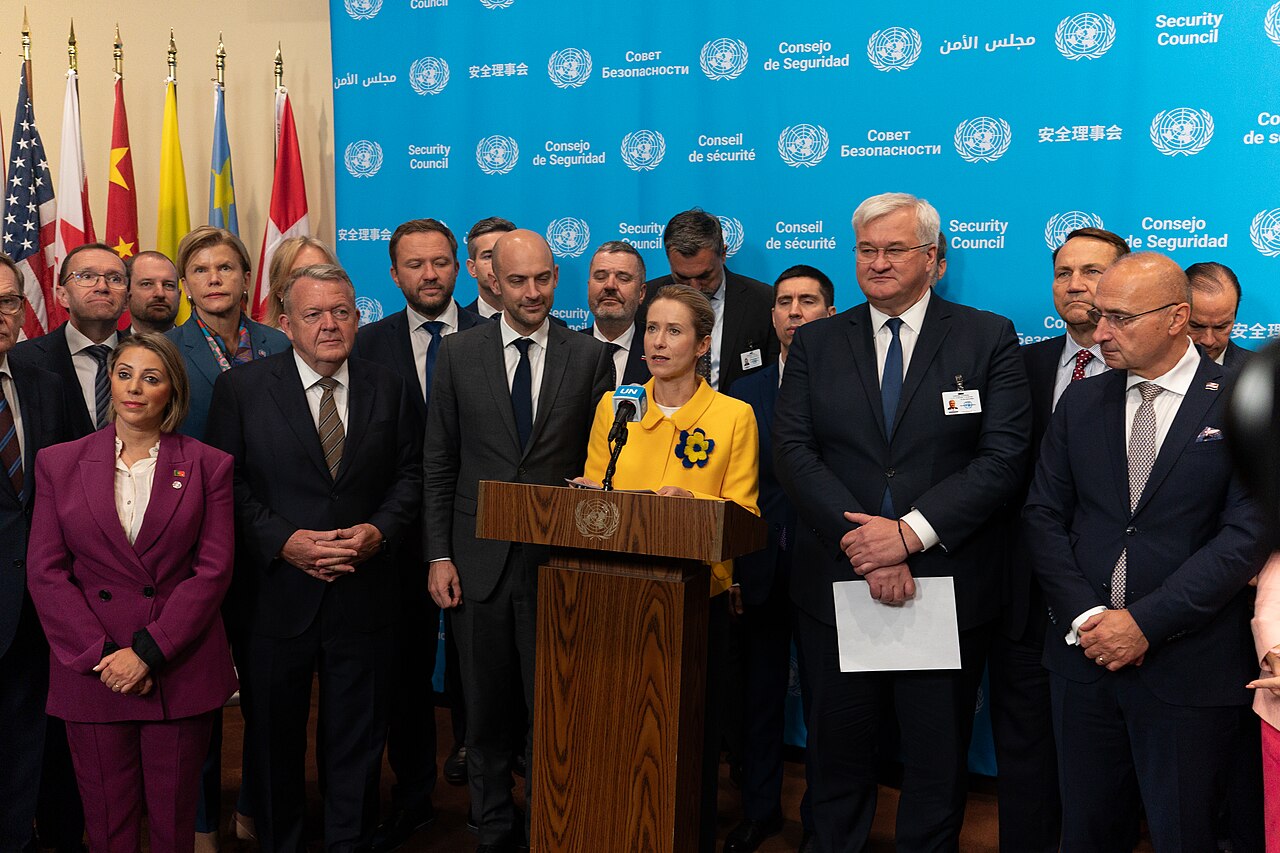
Kaja Kallas at the podium during a UN Security Council press conference with EU27. File photo. Derek French · CC BY 4.0
A UN worker just died in Houthi custody.
His name was Mohammad Al-Shami. He worked for the UN Human Rights Office in Sanaa.
The Houthis had been holding him since 6 June 2024. That's more than two years.
And here's the part that makes this worse. He died more than a month ago. His family is only finding out now.
Volker Türk is the UN's top human rights official. He announced the death a day ago.
So what does he want? Answers. He's demanding the Houthis hand over every medical and detention record. He wants the evidence preserved. He wants an independent check on how Al-Shami actually died.
Volker Türk says quote "they deserve to know the truth".
That's the UN's own human rights chief saying the Houthis have given his family nothing.
And here's the thing. This isn't the first time.
A Yemeni worker for the World Food Programme was detained in January 2025. He died the next month, in a Houthi detention site in Saada, in northern Yemen. The UN pulled out of operating there after that.
So two UN staff have now died in Houthi hands in under two years. Neither death has been explained.
Why are they even being held? The Houthis say UN staff are spying for America and Israel. In Yemen, that charge can carry the death penalty. The UN says it's false.
The rest of this story is for members.
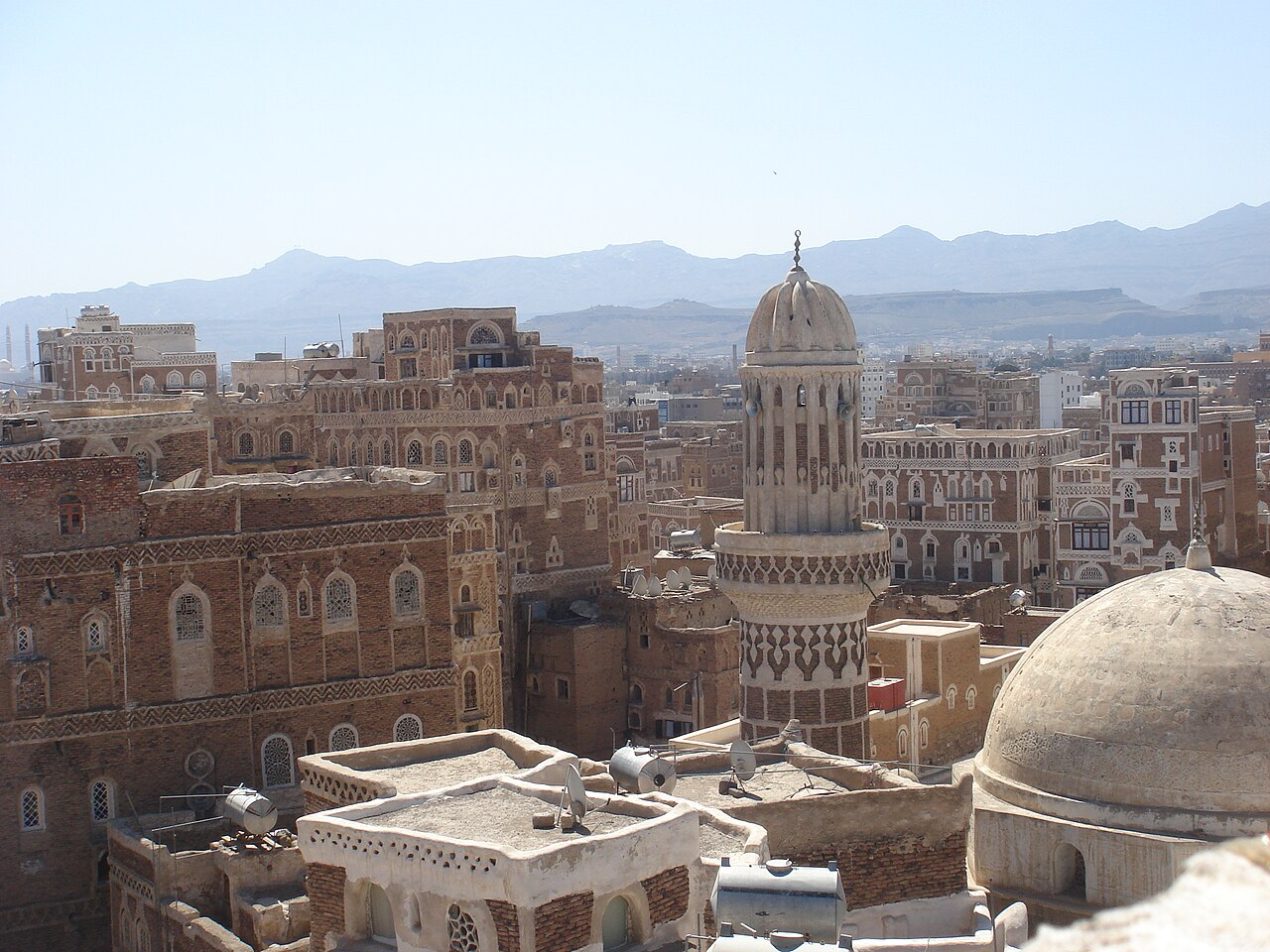
Old City of Sana'a, Yemen. File photo. Maria Gropa · CC BY-SA 3.0 igo
And it's not just Al-Shami. A UN spokesperson told reporters in New York in mid-October that 71 UN staff are still in Houthi custody right now. Seven of them work in Türk's own office. The rest are humanitarian and civil society workers.
Volker Türk says quote "the de facto authorities are gravely undermining our ability to support the people of Yemen".
And that support is badly needed. The UN's aid agency says more than 22 million people in Yemen need help this year.
A family member told the news agency dpa that Al-Shami was never once allowed a visit or any contact with relatives the whole time he was held.
There's also a torture claim. A Yemeni government minister told the Saudi broadcaster Al Arabiya that Al-Shami was tortured to death. That hasn't been independently verified, and Türk's own statement didn't confirm a cause of death at all.
Yemen's internationally recognised government is putting the blame directly on the Houthis. Mashdal Omar, the government's human rights minister, says he holds the Houthis fully responsible for Al-Shami's abduction, disappearance and death. He's calling on the UN to do more to free the others.
Shaya al-Zindani, Yemen's Prime Minister, separately called it a killing and said the Houthis bear full responsibility. He linked it to the siege of Taiz and attacks on civilians there.
The Houthis haven't said a word publicly about the death, or about any of this.
Three weeks ago, Hans Grundberg, the UN's envoy for Yemen, warned the Security Council that the country has slid back into full-scale war, with fighting spreading across several front lines. He said many of those detained have serious health problems.
Back in June, the Security Council condemned, in its own words, "in the strongest terms" the ongoing detention of scores of humanitarian workers, UN staff and civil society figures. Five months on, the detentions haven't stopped. Now a second person has died inside them.
What actually killed Al-Shami is still unknown. So is why the Houthis waited more than a month to tell his family. And so is whether the 71 people still held are facing the same risk.
Nothing here was paid for by an advertiser. Members are the entire business model. Bronze is where it starts, and it opens the last seven days in full.