Turkey just entered Saudi Arabia's war against the Houthis
1 hour ago · 7 October 2026Share
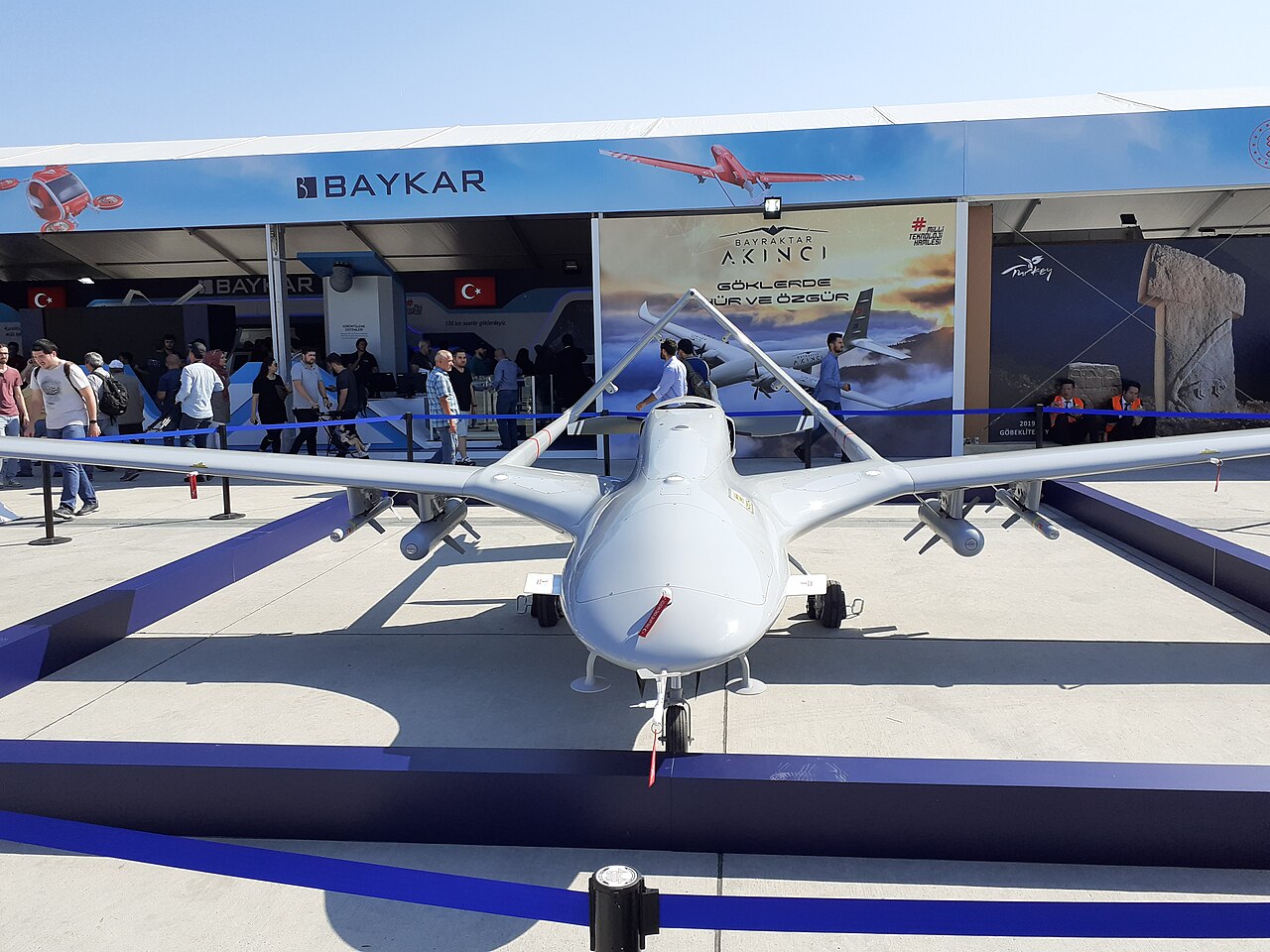
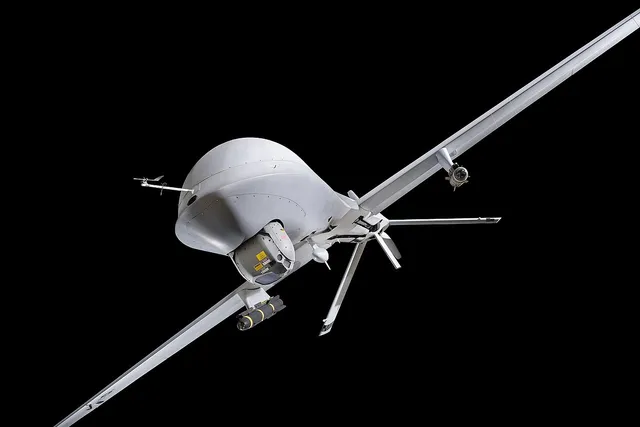
Bayraktar Tactical Unmanned Aerial Vehicle at Teknofest 2019. File photo. Kingbjelica · CC BY-SA 4.0
Turkey just sent military help to Saudi Arabia.
And it's the first time Turkey has stepped into the war in Yemen.
So what's actually going over? A US official briefed on it says Turkey has decided to send drone operators, plus intelligence, surveillance and reconnaissance work, and help fine-tuning Saudi Arabia's defences. Strategic planning and logistics help too. The official calls it broadly defensive.
So why now? There's a pact behind this.
Back in August, Turkey, Pakistan and Saudi Arabia signed the Mecca Joint Defence Agreement. Some call it the Makkah Alliance for Defence. The deal is simple. Hit one of us, and it's treated as an attack on all three.
Three days ago, the top committee behind that pact met in Riyadh. And they agreed to switch it on.
Khalid bin Salman, Saudi Arabia's Defence Minister, says the committee agreed to activate what he called collective deterrence measures under the Alliance, in response to the attacks and everyone responsible for them.
Hakan Fidan, Turkey's Foreign Minister, says quote "very fruitful views on military issues, operational issues, and technical matters" came out of that same meeting, from his defence minister and chief of general staff.
But here's the thing. Turkish and American officials are not telling the same story.
A Turkish official told Reuters the support so far was only military equipment, intelligence sharing and weapons systems. That official said no other form of deployment had happened under the alliance yet.
A separate US official says something different. Turkey has already decided to send drone operators and ISR capabilities.
Two governments. Same move. Two different accounts.
Part of the reason is Turkish law. Under Article 92 of Turkey's constitution, only parliament can send troops abroad. And Turkey's parliament hasn't ratified the Mecca pact yet.
The rest of this story is for members.
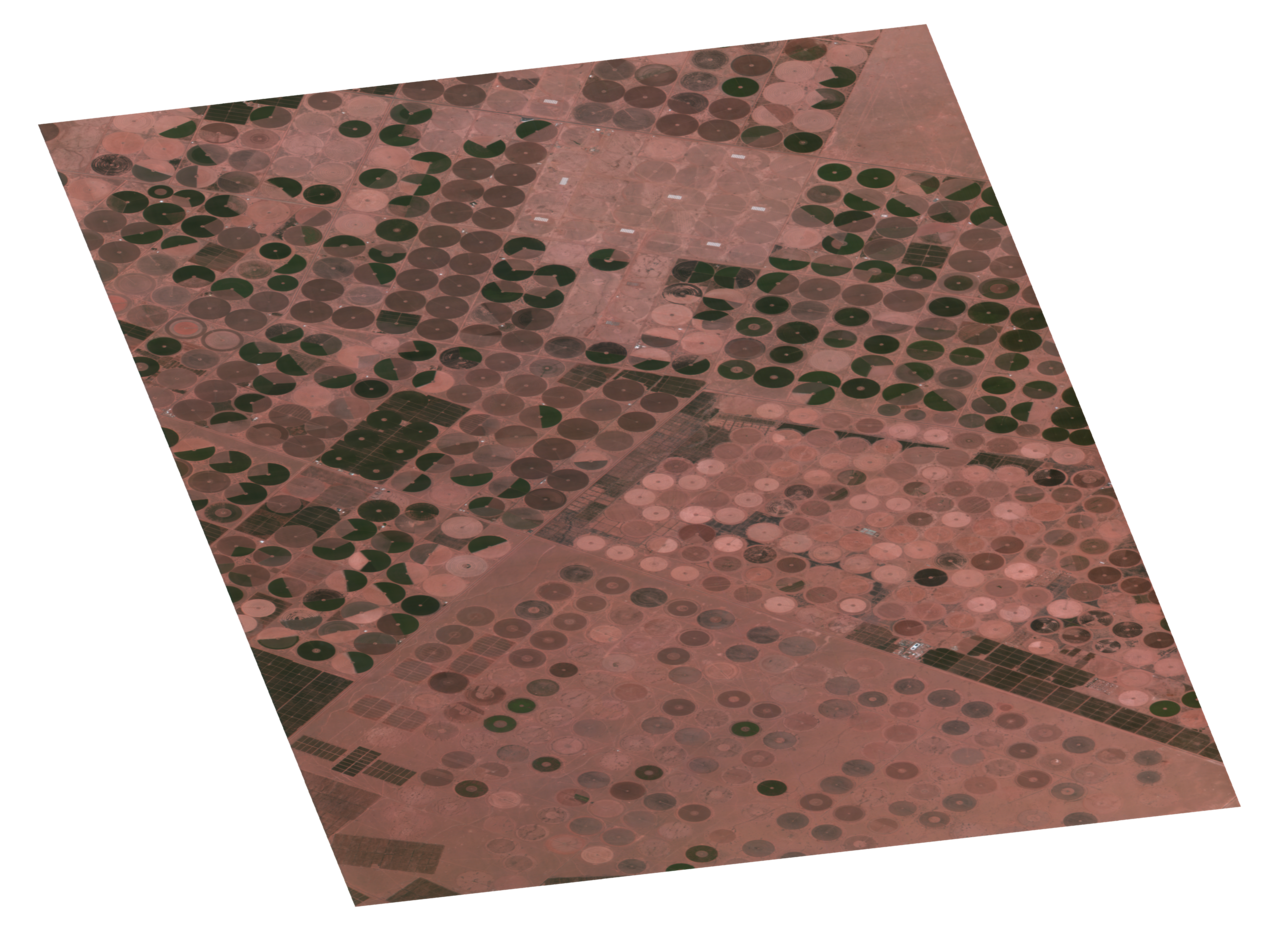
Satellite image of Tubarjal, Al Jawf Region, Saudi Arabia. File photo. Wyvern Inc. · CC BY 4.0
So for now, this support runs government to government, outside the pact itself. It grows once parliament signs off. Several Turkish officials have told Middle East Eye that Ankara plans to send more staff, pilots and aircraft in the coming weeks. But that bigger step still needs the same approval.
So what is all this actually responding to? A Saudi-backed counter-offensive.
Four days ago, Yemeni government forces, with Saudi-led coalition air power behind them, launched an operation called Dawn of Yemen. The goal is to retake territory, and eventually the capital, Sanaa. Turki al-Malki, the coalition's spokesperson for the Saudi-led coalition, says 100 fighter jets are flying in support of it.
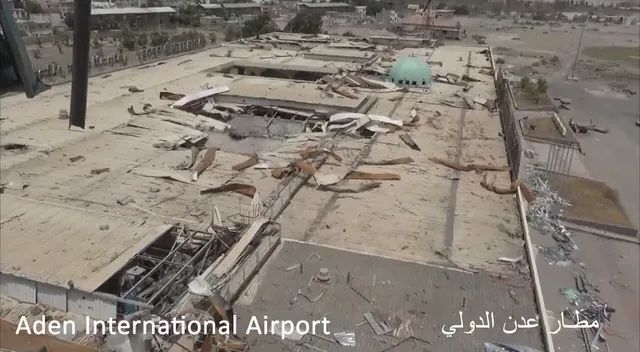
Government-aligned forces have already taken back the port city of Mokha, plus territory near the Bab al-Mandeb Strait, including the Dhubab district and its airport. The Houthis had seized that same ground only a month ago, along with Perim island, which sits in the same strait.
And the Houthis have hit back. Saudi authorities say two airports inside the kingdom were struck. At least three people were hurt.
Pakistan is in this too, under the same pact. Khawaja Asif, Pakistan's Defence Minister, says Pakistani and Turkish forces are playing a supporting role, mostly reconnaissance, while Saudi Arabia's own troops do the fighting and take the ground.
America is staying out of the actual fighting. Saudi Arabia has asked Washington for air strikes on Houthi targets more than once, including a direct call from Khalid bin Salman to Pete Hegseth, America's Defence Secretary. So far, America is only offering intelligence and targeting help.
Iran hasn't said a word about Turkey's role specifically. Esmaeil Baghaei, Iran's Foreign Ministry spokesperson, said earlier this month that Tehran hoped reports of a Pakistani deployment were untrue, and warned that new intervention would complicate things. Nothing from him on Turkey.
And here's why Turkey matters more than the others. Turkey has NATO's second-largest army, and what Reuters calls a robust defence industry.
Gokhan Ereli, an international relations expert at Istanbul's Ibn Haldun University, says there is no publicly acknowledged standing Turkish deployment in Saudi Arabia yet. That fits with officials describing planning, equipment and advisers, not troops on the ground. Not yet, anyway.
Dania Thafer, who runs the Gulf International Forum, says Riyadh is trying to turn the Mecca pact from a political declaration into what she called a deterrent. Ishaq Dar, Pakistan's Deputy Prime Minister and Foreign Minister, says the pact is defensive in nature, with no offensive agenda.
What we don't know yet: how big Turkey's role gets once parliament ratifies the pact. And whether Iran responds to Turkey the way it already has to Pakistan.
Nothing here was paid for by an advertiser. Members are the entire business model. Bronze is where it starts, and it opens the last seven days in full.