Spain just called a snap election after its housing plan collapsed
1 hour ago · 5 October 2026Share
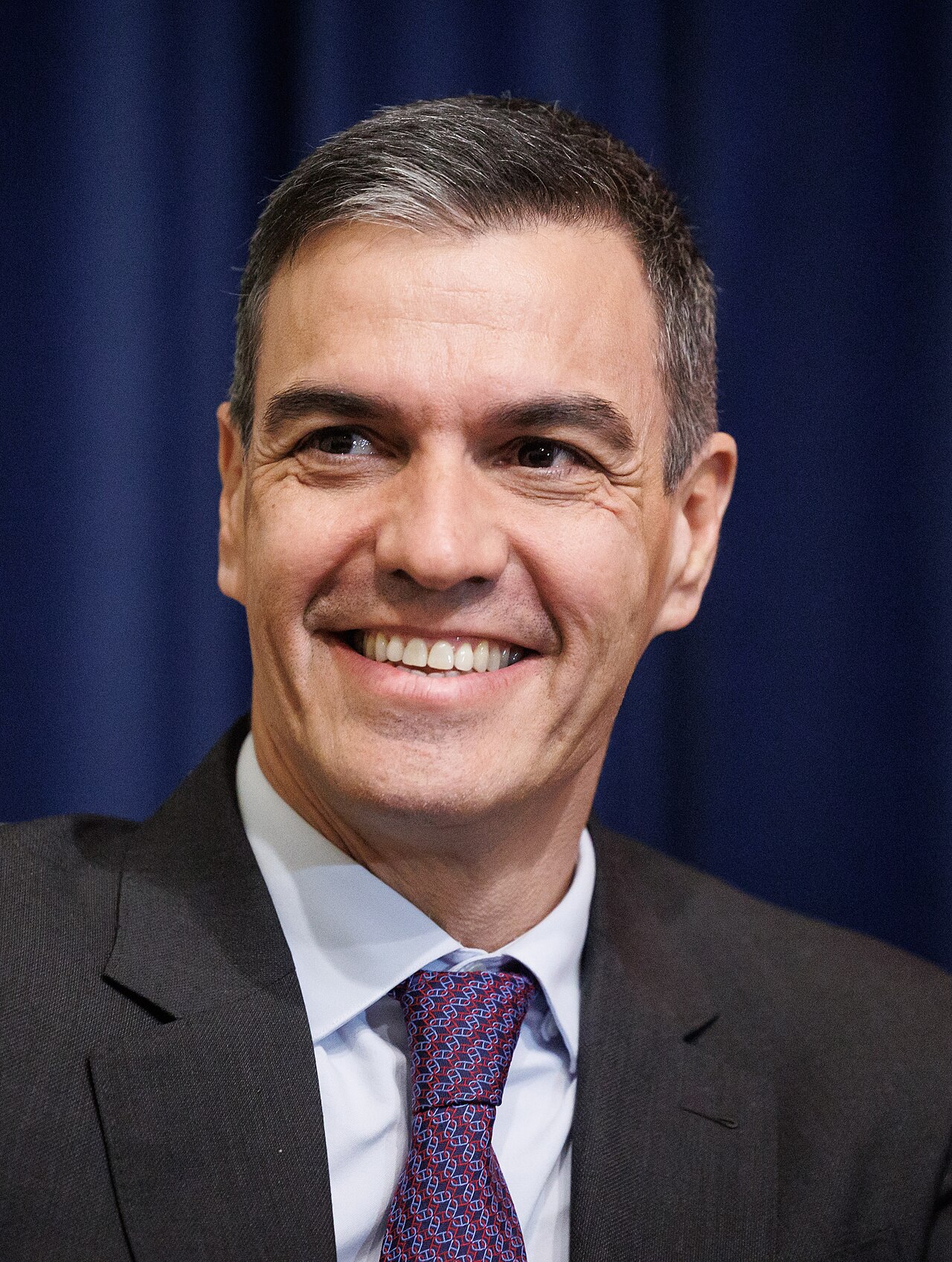
Pedro Sánchez, Spanish Prime Minister, in Slovenia, April 2024. File photo. Foto: Nebojša Tejić/STA · Public domain
Spain just got a snap election.
Pedro Sánchez, Spain's Prime Minister, has called an early general election. The date is 29 November 2026.
And this was supposed to happen in July 2027. So Spain is voting a year and a half early.
He announced it a few hours ago. A televised address from the Moncloa Palace, just after 9am local time.
So what forced this? His own Congress just threw out his housing plan.
Three days ago, Spain's Congress of Deputies voted down two government laws meant to fix the housing crisis.
The first would have protected vulnerable tenants from eviction. Rejected, 172 votes to 178.
The second would have automatically renewed rental contracts. Rejected too, 184 votes against.
Sánchez needed both to pass. Neither did.
And here's who did it. The People's Party, Vox, Junts per Catalunya and the Navarrese party UPN all voted against, both times.
Spain's Official State Gazette made the repeal official two days ago.
Sánchez runs a coalition. His Socialist Party, plus the left-wing Sumar alliance. But together, they don't have a majority.
So since he took office, Sánchez has had to fight for every vote with smaller parties. And he's lost more than once.
This time, he chose not to survive the loss.
Sánchez said the time has come for Spaniards to decide what future they want for themselves and their country.
That's Sánchez handing the decision back to voters, instead of limping through another term with no working majority.
And the housing vote wasn't the only pressure on him.
The rest of this story is for members.
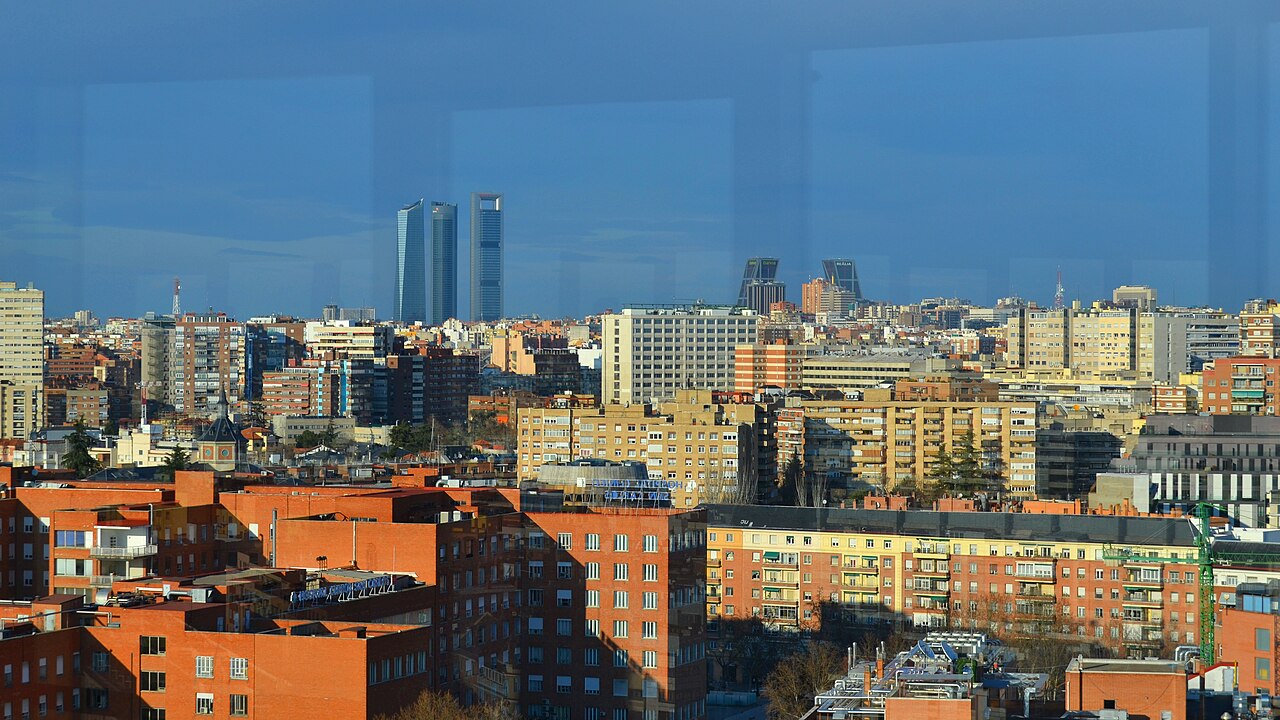
Madrid, España. File photo. Emilio J. Rodríguez Posada · CC BY-SA 2.0
Nearly 500,000 people protested in Madrid over housing in the days before Congress voted.
The government has also faced court cases involving people close to the Socialist Party in recent months.
Then there's Ceuta.
At the end of July, a large number of migrants crossed into Spain's North African enclave from Morocco. Spanish outlets say more than 80,000. Other reporting says only tens of thousands.
In late August, the government declared a "situation of interest for national security" in Ceuta. That measure has never been used before in Spain's democratic era.
Ángel Víctor Torres, Spain's Minister of Territorial Policy, was put in charge of one command to run the whole emergency response.
So by the time Congress rejected the housing laws, Sánchez had already spent months jumping from one crisis to the next.
The opposition had been calling for this for days.
Alberto Núñez Feijóo, leader of the People's Party, says quote "neither the streets nor parliament" and told him to call the election straight away.
Now, Spanish law sets the clock on exactly what happens next.
The vote has to happen on the 54th day after the dissolution decree gets published. That decree is expected in the Official State Gazette within the next day or so.
Count forward 54 days from there, and you land on 29 November. The earliest date the law allows.
What happens between now and polling day isn't settled yet.
Spanish media say Sánchez could try to push a revived housing law through Parliament's Permanent Deputation once Congress is dissolved. But Sánchez didn't confirm that in his announcement. Right now it's reported, not decided.
It's also not known yet whether any of his coalition partners will resign, or fight the decision, before the decree comes out.
For now, only one thing is certain. The date.
Spain goes back to the polls on 29 November. The same election it was always going to fight. Just a year and a half sooner.
Nothing here was paid for by an advertiser. Members are the entire business model. Bronze is where it starts, and it opens the last seven days in full.