Saudi Arabia just activated a NATO-style pact and the Houthis kept bombing its airports anyway
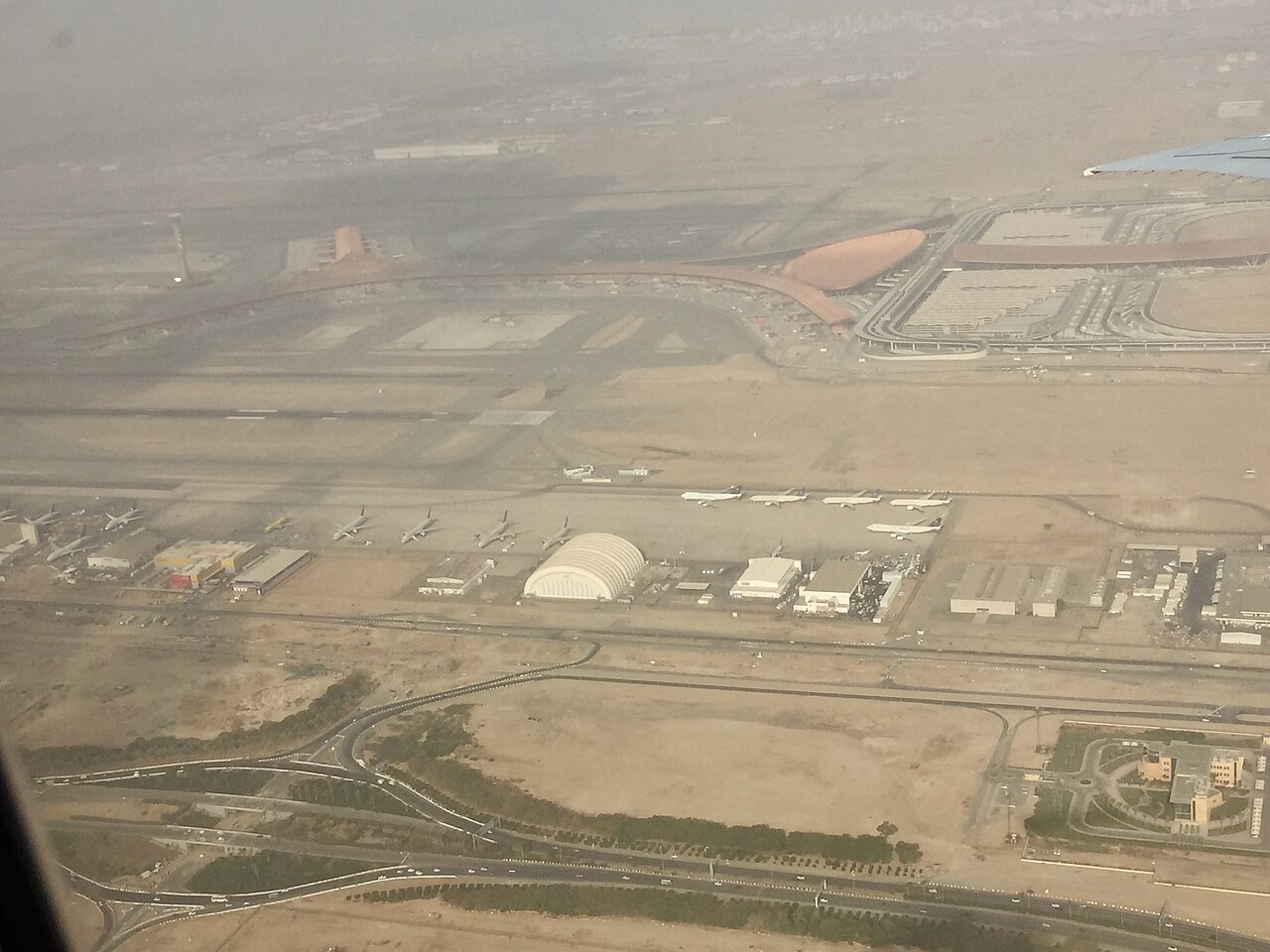
The Houthis have killed three people and wounded 36 others in attacks on two Saudi airports this week.
And Saudi Arabia just switched on a brand new defence pact because of it.
So let's start with the attacks.
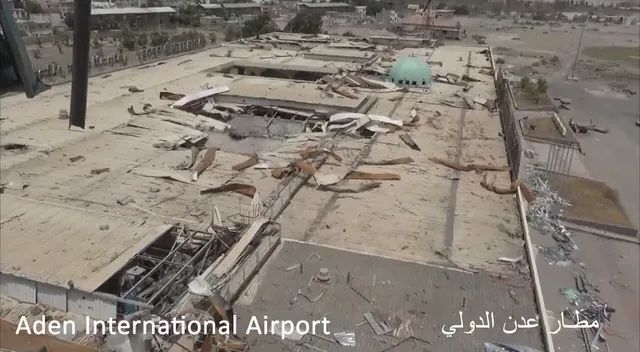
Two days ago, a strike hit Abha International Airport, near the border with Yemen. Two women died — one from Morocco, one from Algeria. 28 more people were wounded, including Saudi citizens and residents from Bangladesh and the Philippines.
A day later, King Khalid International Airport in Riyadh was hit too. One Sudanese resident was killed. Eight more were wounded — five Saudi citizens, two Egyptian residents, one Pakistani resident.
Saudi Arabia's civil aviation authority confirmed all of those numbers earlier today.
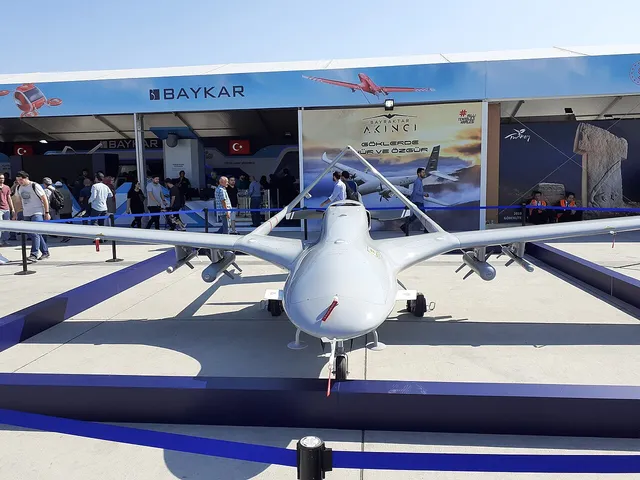
The Houthis' military spokesperson, Brigadier General Yahya Saree, says his group fired ballistic missiles and drones at the Riyadh airport. A separate missile aimed at Riyadh was shot down by the Saudi-led coalition.
Major General Turki al-Maliki, the coalition's spokesperson, says Saudi forces found and destroyed the launcher behind that attack, in Sanaa. He also says the Houthis are preparing another attack on Saudi Arabia.
So this is a group with ballistic missiles that can reach two of Saudi Arabia's biggest airports, two days running.
And here's the twist. For the first time ever, a NATO-style defence pact has just been triggered.
It's called the Mecca Joint Defence Agreement. Saudi Arabia, Pakistan and Turkey signed it two months ago. One line in it matters most: an attack on any one of the three counts as an attack on all three. That's the exact same wording NATO uses.
But here's the order of events, and it matters.
The pact wasn't switched on because of the deaths at Abha and Riyadh. It was activated three days ago, after an earlier, non-fatal strike on those same two airports. Three people were hurt. Nobody had died yet.
Khalid bin Salman, Saudi Arabia's Defence Minister, says the alliance's committee agreed to turn on collective deterrence measures because of that attack, and against everyone behind it.
The joint statement, issued through Pakistan's Foreign Ministry, says all three countries will send agreed military forces to Saudi Arabia, fast.
It doesn't say how many troops. It doesn't say what they'll actually do.
Pakistan's Defence Minister, Khawaja Asif, says Pakistani troops are already helping — doing reconnaissance work, while Saudi Arabia's own forces handle the actual fighting. Pakistan already has tens of thousands of troops stationed in the country.
Comments
None yetAlready a member? Log in.