Russia just lost a warship in Libya and its African supply line is now in trouble
48 minutes ago · 22 November 2026Share
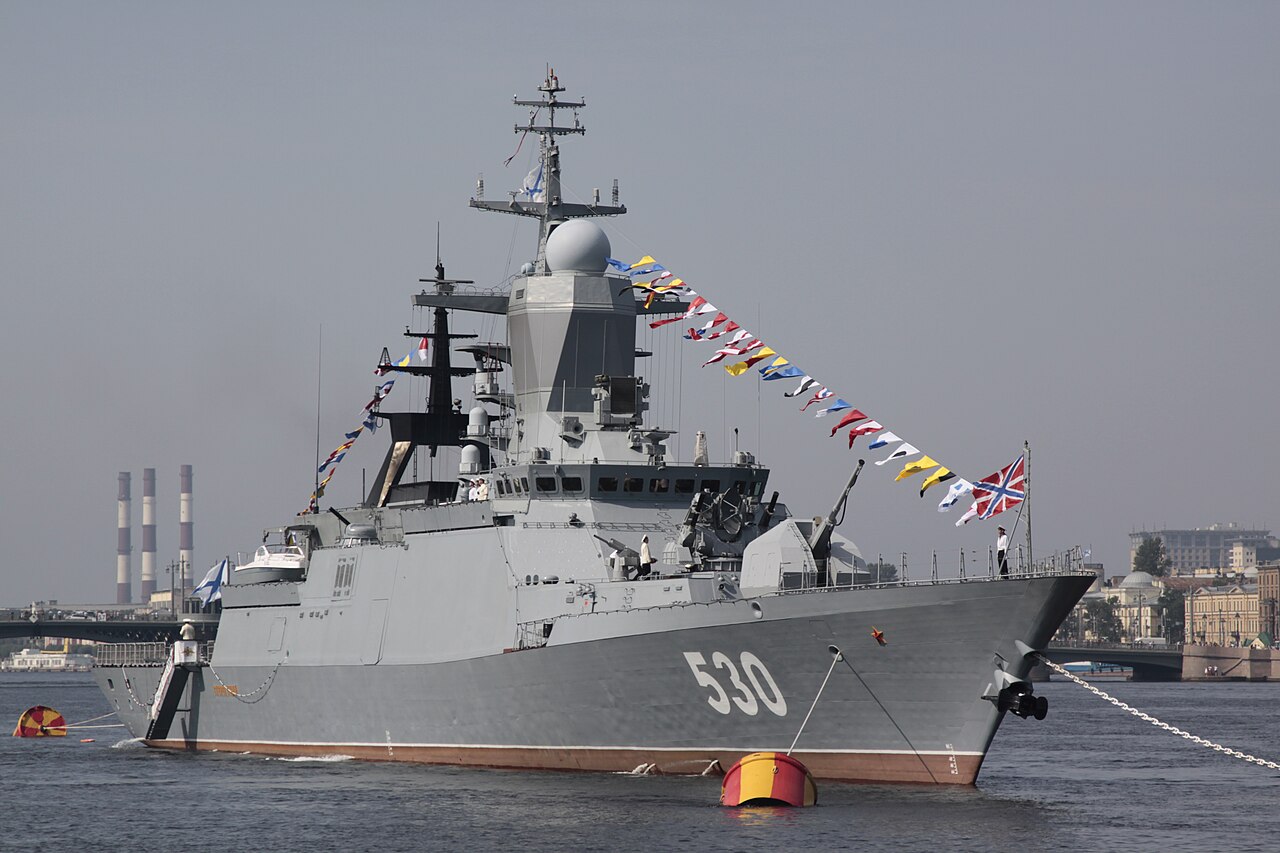
Russian corvette Steregushchiy. File photo.Морозов Л.Н. · CC BY 3.0
A Russian Navy corvette has almost certainly been destroyed in a huge explosion at the port of Benghazi, in eastern Libya.
It happened roughly 20 hours ago, at around 3am local time. A blast and fire tore through the naval base area.
So what got hit? Satellite images and OSINT tracking have provisionally identified the burning ship as the Merkury, a Project 20380 Steregushchiy-class missile corvette.
H I Sutton, a naval analyst at Naval News, put it plainly. He says the explosion engulfed the Merkury in flames, almost certainly destroying it.
Now, this ship wasn't just passing through. It had been sitting in Benghazi for several days, escorting a convoy of Russian government-linked vessels. Those vessels carry arms exports and military cargo.
And there's a reason Russia has ships in Benghazi at all. Moscow has kept close military ties with Khalifa Haftar's forces in eastern Libya for years. It uses the port as part of a supply route from the Mediterranean into Africa, feeding the deployment known as Africa Corps.
So this wasn't a warship sitting in a random harbour. It was part of Russia's lifeline into Africa.
Here's what Merkury actually is. Commissioned into the Russian Navy in May 2023. About 104 to 105 metres long. A crew of 90 to 100. Armed with anti-ship missiles, air-defence systems, anti-submarine weapons and a 100mm gun.
On paper it belongs to Russia's Black Sea Fleet. In practice it's been operating out of Northern Fleet bases in the Arctic instead. The war has made the Black Sea too dangerous for it.
We still don't know if the ship sank at its berth or just burned out where it sat. No damage assessment. No figures on anyone killed or wounded.
And here's the twist. Libyan authorities tell a different story entirely.
The rest of this story is for members.
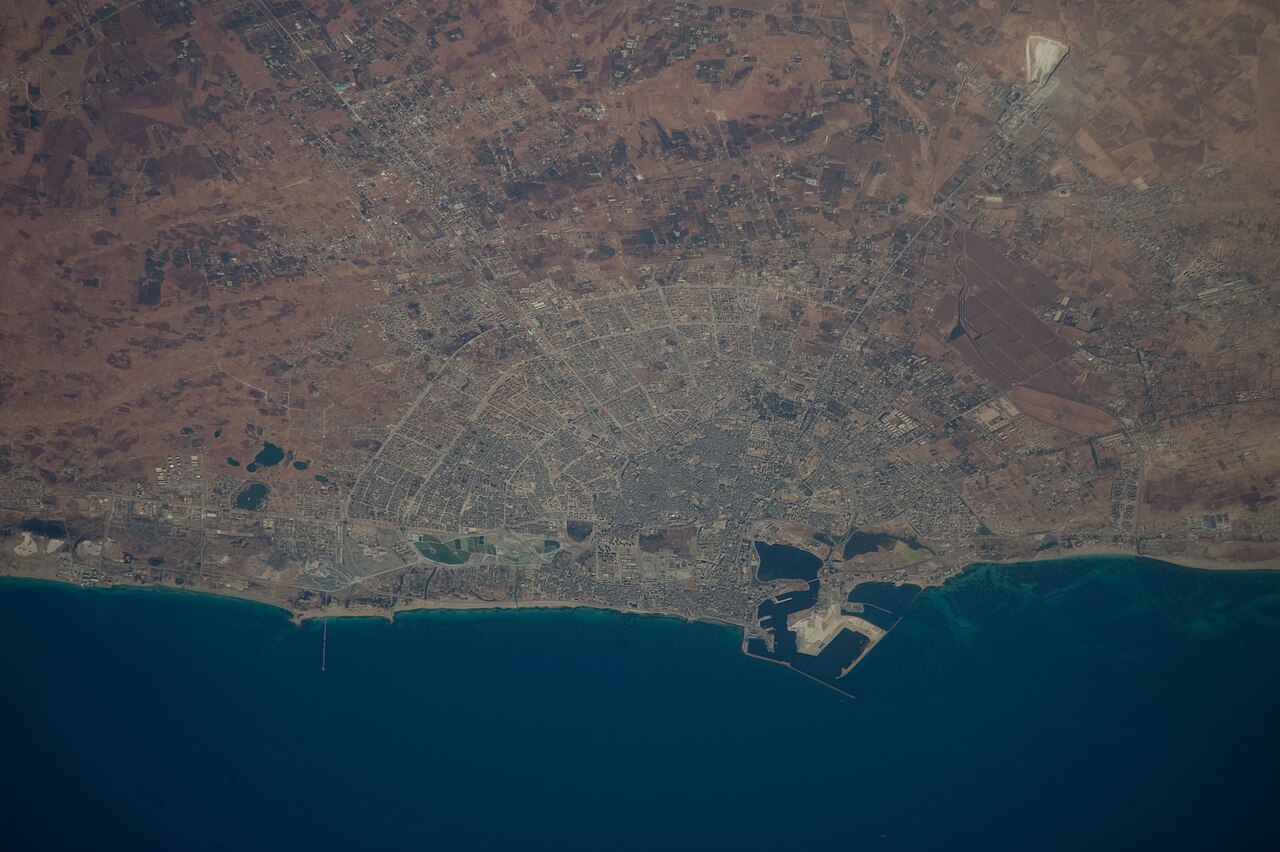
View of Libya taken during ISS Expedition 20. File photo.Earth Science and Remote Sensing Unit , Lyndon B. Johnson Space Center · Public domain
Civil defence teams and the National Safety Authority in eastern Libya say the explosion hit an ammunition depot inside the naval base. Not a warship at all. Tawfiq al-Shamekh, an official with the National Safety Authority, says emergency teams brought the fire under control.
So now there are two accounts. OSINT trackers pointing at a burning warship. Libyan officials pointing at an ammunition store.
A Libyan source who spoke to the Italian news agency Agenzia Nova raised another possibility. A drone attack on the Russian vessel or its cargo, maybe involving Ukrainian forces. No evidence backs that up yet. Nobody, including Ukraine, has said they did it. And an accidental ammunition blast hasn't been ruled out either.
But if it was an attack, it wouldn't be the first time this exact class of ship got hit.
Merkury's sister ship, Boikiy, was badly damaged by Ukrainian drones five months ago. That happened in June, while it sat in the Veleshinsky drydock at Kronstadt, near St Petersburg.
Ukraine has also been linked to a run of attacks on Russian-linked ships in the Mediterranean. The cargo ship Ursa Major sank in December 2024. The LNG tanker Arctic Metagaz was destroyed off Libya in March this year.
And Benghazi isn't the only Russian-linked ship in trouble this week.
A day earlier, a Russian government-linked cargo vessel called Sparta II was hit and caught fire in the Baltic, near the Gulf of Finland. Sparta II belongs to Oboronlogistika, the Russian defence ministry's own shipping carrier. It's been under US sanctions since 2022. All 16 crew were moved to a nearby Russian vessel.
One more thread, and it's probably nothing. A Russian Ministry of Emergency Situations transport plane left Moscow overnight and was tracked heading towards Benghazi. But it had already left before the explosion. Most likely an unrelated stopover.
None of this is officially confirmed. Russia hasn't said a word about Merkury. Ukraine hasn't said it carried out an attack. Libyan authorities are sticking with the ammunition depot.
Here's what we do know. A Russian naval presence that had been quietly extending Moscow's reach into Africa is now, at best, badly damaged. At worst, gone.
Nothing here was paid for by an advertiser. Members are the entire business model. Bronze is where it starts, and it opens the last seven days in full.