And Washington and the World Health Organization both say Russia still hasn't explained it properly.
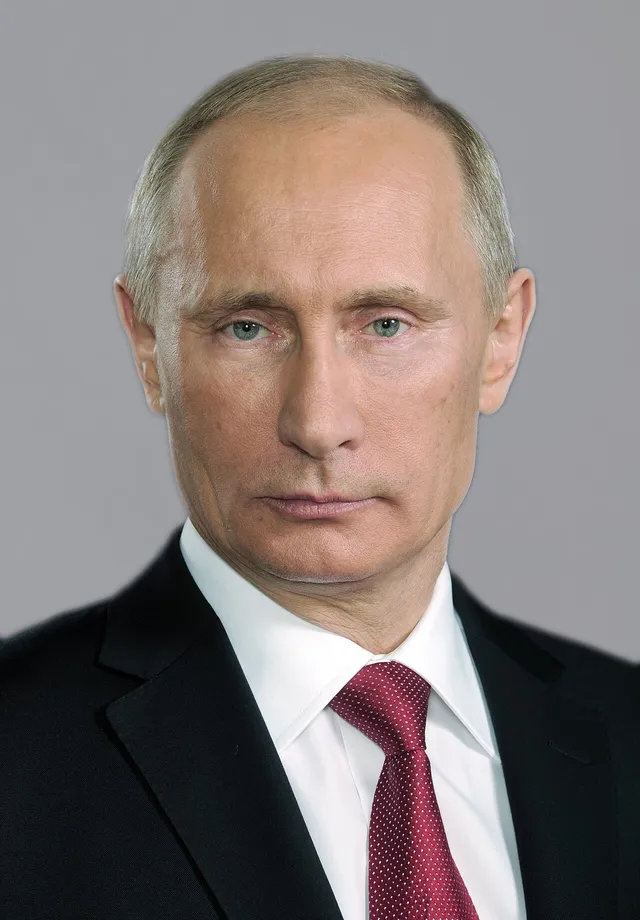
Trump told reporters at the White House a few hours ago the call is set. He says quote "I have a call scheduled, yes." He says it'll happen very soon.
So here's where this all started.
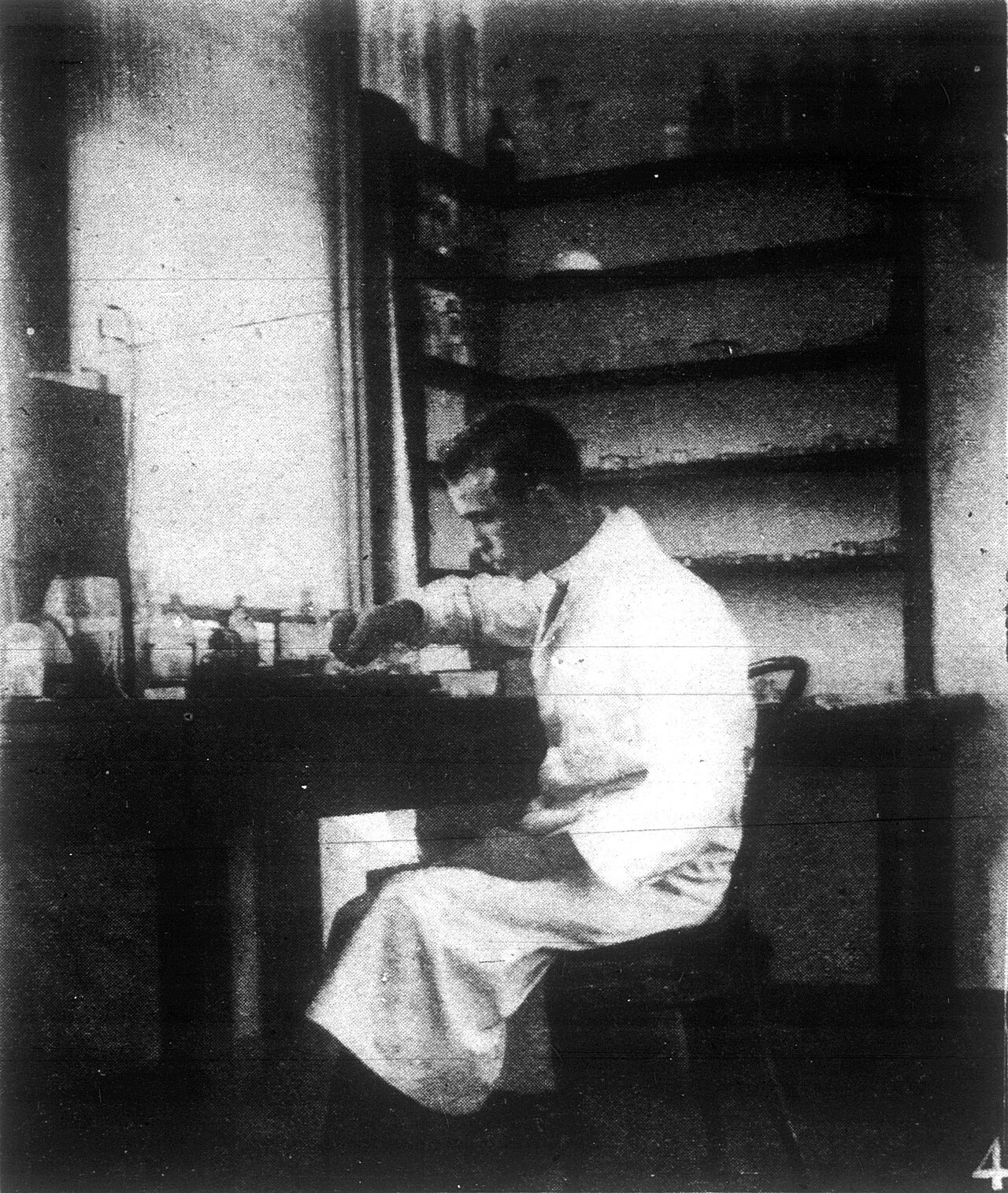
A woman died in Siberia last week. Darya Shipilova. She was 28. She worked as a lab technician at the Irkutsk Anti-Plague Institute.
The Russian outlet People of Baikal reported she may have caught pneumonic plague from a broken test tube.
Around 200 people she'd had contact with got put under quarantine or medical watch.
Now, pneumonic plague is a real disease. It's bacterial. It's called Yersinia pestis. The World Health Organization says it's the most contagious form of plague, it spreads through the air between people, and it can kill fast if it isn't treated.
But here's the thing. Russia has never actually confirmed that's what killed her.
Igor Kobzev, the governor of the Irkutsk region, said two days ago that Russia's health watchdog, Rospotrebnadzor, inspected the case. Their finding? She died of pneumonia. Cause undetermined. No microorganisms linked to her work were found in her samples.
Rospotrebnadzor went further. It said no special anti-plague measures were ever put in place at all. It called a document describing those measures fake. On Telegram it said quote "the document and information in question do not originate from official sources and are untrue."
Then, a few hours ago, the story shifted again.
The World Health Organization said Russia's latest update stressed that no case of plague has been recorded in Irkutsk at all. Russia separately told the WHO her illness looked like a typical acute respiratory viral infection, and that no plague case has been recorded in her or anyone else.
The rest of this story is for members.
Contains modified ISS photograph showing Lake Baikal and surrounding Siberia at night in January 2024.Astronaut photograph ISS070-E-80639 was acquired on January 24, 2024, with a Nikon D5 digital camera using a focal length of 24 millimeters. It is provided by the ISS Crew Earth Observations Facility and the Earth Science and Remote Sensing Unit, Johnson Space Center. The image was taken by a member · Public domain
So think about that timeline. First an inspection with an undetermined cause. Then, days later, no plague case at all.
That shift is exactly what Washington and the WHO are pushing back on.
Marco Rubio, the US Secretary of State, spoke on a trip to Iceland. He said it would be reckless to speculate with so little confirmed, and that he hopes the information picture improves in the next few days. He wants Russia to be more open so everyone can respond properly.
Tedros Adhanom Ghebreyesus, the WHO's Director-General, posted online that the organisation has asked Russia for more detail. He said timely, complete information sharing under international health rules is what's needed to clear up the conflicting reports.
And there's more happening behind the scenes. The US State Department has reportedly sent Russia a confidential diplomatic warning. The message: not disclosing details goes against Russia's international health obligations. A State Department official says American officials have been talking to Russia's Foreign Ministry since last Friday.
The US isn't waiting around either. The State Department, the CDC and other US agencies say they're closely monitoring the case. At the same time, the CDC says there's no sign of a broader threat to the United States. The US Embassy in Moscow has put out a health alert about the reports. Russia's existing Level 4 Do Not Travel advisory still stands, and Americans there have been told to leave.
Neighbouring countries aren't waiting either. Kazakhstan, Kyrgyzstan, Tajikistan and Uzbekistan have all brought in tighter health and sanitary checks.
And Russia has hit back at the offer of help.
Trump said two days ago he was ready to help Russia if needed. He called plague a disease the world used to be able to control. Rospotrebnadzor's response? It said Moscow was ready to help the United States with its own outbreaks instead. It pointed to a measles situation it called worse in three US states, and a fatal plague case in New Mexico back in June.
Dmitry Peskov, the Kremlin's spokesman, has told the public and the media to follow only official Rospotrebnadzor statements, not rumours or speculation.
One more thing. An international conference on plague and other infectious diseases is due in Irkutsk later this month. Its organisers say that's unrelated to Shipilova's death.
So what don't we know? Whether the Trump-Putin call has actually happened yet. What either side wants from it. And what Shipilova really died of. Russia's own accounts of her death and how she was exposed keep changing, and they don't match what the US and the WHO have been told either.
Right now, a head of state is picking up the phone over a death his own government still won't confirm was plague at all.
Nothing here was paid for by an advertiser. Members are the entire business model. Bronze is where it starts, and it opens the last seven days in full.