Myanmar just got convicted of genocide by the world's top court
The UN's top court just ruled on Myanmar. And the ruling is historic.
Myanmar committed genocide against the Rohingya. That's what the International Court of Justice found earlier today.
This is the first time in the court's 80-year history it has ever held a state responsible for genocide.
Yuji Iwasawa, the ICJ's President, delivered the judgement at The Hague. The vote was 9-6. The court found that Myanmar, quote, "has committed genocide against the Rohingya group in northern Rakhine state, in violation of its obligations under the Genocide Convention."
The ruling is final. No appeal.
So how rare is this? Only the fourth time since the Holocaust that an international court has found genocide was committed. The judgement took almost three hours to read out. It runs to 191 pages — the second-longest ruling in the court's history.
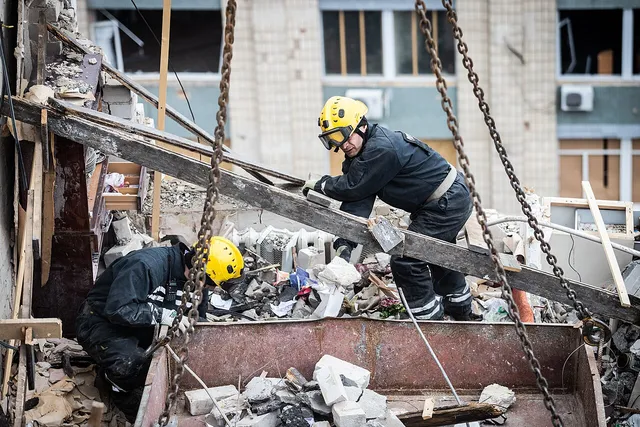
Here's where this all started. A military crackdown in Rakhine State in August 2017. Myanmar's security forces drove more than 700,000 Rohingya, most of them Muslim, out of the country. Most fled to Bangladesh.
The court backed an independent UN estimate of at least 10,000 deaths. At the time, around 815,000 Rohingya lived in Rakhine State. So those killed made up about 1.2% of the population. The court also found at least 1,834 acts of rape during the crackdown.
Judge Iwasawa said Myanmar's forces killed thousands of civilians and carried out widespread sexual violence, and attacked Rohingya as they tried to reach Bangladesh. He said the violence went far beyond what punishing a population would require.
Yuji Iwasawa says quote "the only reasonable inference that can explain Myanmar's actions is an intention to destroy".
That's the court saying there is no other explanation.
And there's more. The judge said the killing was preceded by an atmosphere of hate speech, with the Rohingya called sub-human and a violent threat. Villages were destroyed, then resettled with non-Rohingya people. The court said the military's acts against children showed an intent to prevent births within the group.
So what did Myanmar say in its defence? That the crackdown was a reaction to attacks on police posts by Arakan Rohingya Salvation Army fighters. That its clearance operations were never meant to destroy the Rohingya.
The court rejected that. It found the military never distinguished between fighters and civilians.
The Gambia brought this case in 2019, under the 1948 Genocide Convention. Eleven countries backed it — Canada, Denmark, the Netherlands, Germany, the Maldives, the Democratic Republic of the Congo, Slovenia, Ireland, Belgium, France and Britain. Dawda A Jallow, The Gambia's Justice Minister, led the case at hearings earlier this year.
The court also found, 9-6, that Myanmar failed to prevent the genocide. And it ordered a binding reparations package.
Comments
None yetAlready a member? Log in.