Lithuania just voted to scrap its ban on nuclear weapons
2 hours ago · 6 October 2026Share
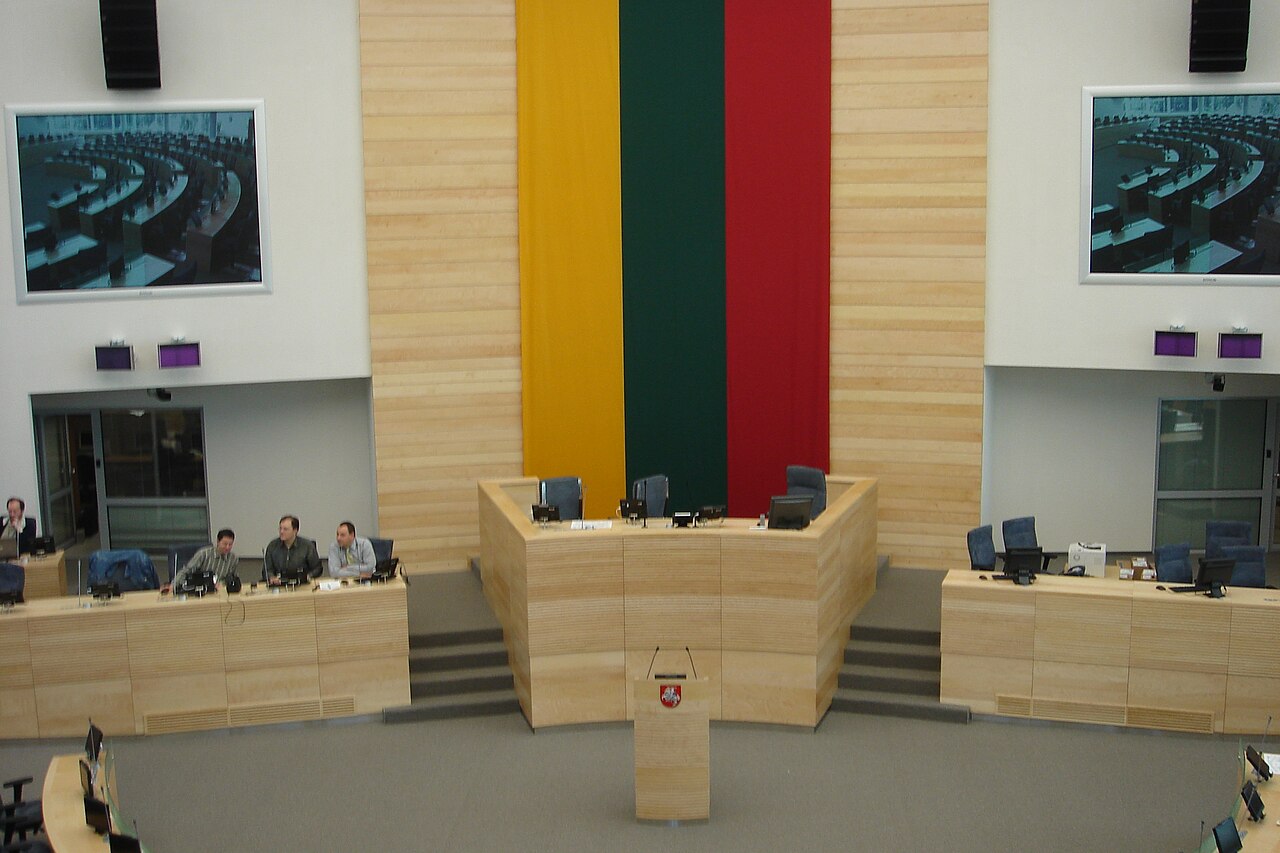
The New Lithuanian Seimas Parliament Hall, opened in 2007. File photo. AndreasLT · Public domain
Lithuania's parliament just voted to scrap the only constitutional ban on nuclear weapons left in NATO.
Here's what happened. Two weeks ago, the Seimas — that's Lithuania's parliament — voted 99 in favour, 13 against, 5 abstaining. The vote was to start removing Article 137 from the constitution. Right now, that article bans nuclear weapons and foreign military bases from Lithuanian soil.
So why isn't this done yet? Because changing Lithuania's constitution takes two votes, three months apart. Each one needs at least 94 of the 141 lawmakers on board.
The first of those two votes is today. The second, final vote is set for 12 January 2027.
Juozas Olekas, the Speaker of the Seimas, set both dates when the first vote passed two weeks ago.
So nothing is decided yet. This is step one of three.
But the direction is obvious. And so is the reason.
Lithuania sits right on NATO's eastern edge. Belarus on one side. Russia's Kaliningrad exclave on the other — a heavily militarised chunk of Russian territory that only connects to the rest of Russia through Belarus and Poland.
Laurynas Kasčiūnas leads the opposition Homeland Union-Lithuanian Christian Democrats in parliament. He told the Seimas that Lithuania is now the odd one out. He said Latvia, Estonia and Poland don't have this restriction, and that Finland just removed its own.
So that's the opposition saying Lithuania is out of step with its neighbours — not that the ban itself was ever wrong.
Remigijus Motuzas chairs the Seimas Foreign Affairs Committee. He put the security case straight. He said quote "we cannot be less protected than other NATO countries".
The rest of this story is for members.
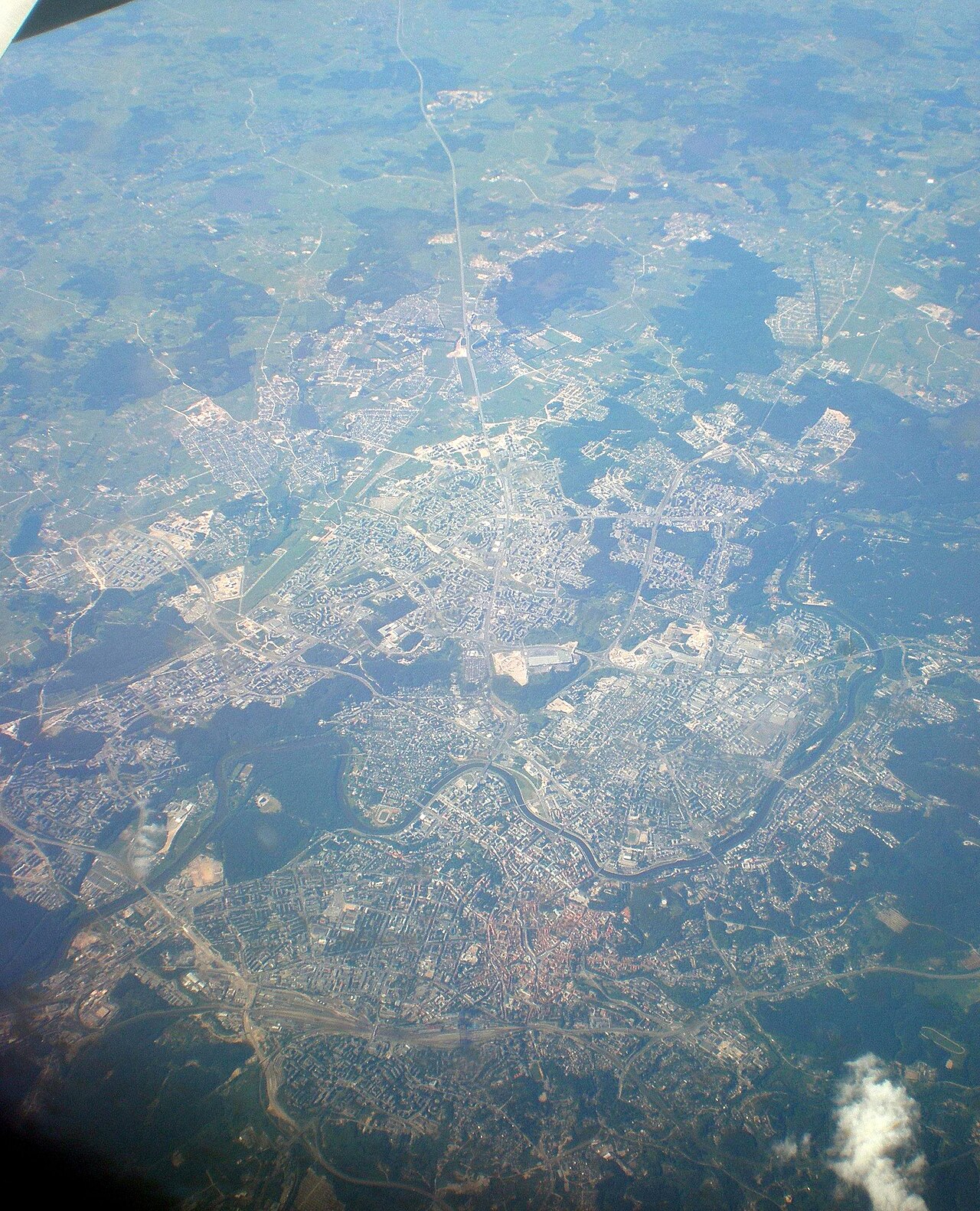
Aerial view of Vilnius, capital of Lithuania. File photo. Krokodyl · CC BY 3.0
That's a lawmaker aligned with the government framing this as catching up to allies, not opening the door to some new threat.
Not everyone agrees, though.
Remigijus Žemaitaitis leads the Nemunas Dawn party. He opposed the amendment. His argument: nuclear-armed NATO allies can already defend Lithuania without touching the constitution. And he warned the move could hand Russia and Belarus a propaganda win. Other lawmakers asked a different question — why scrap all of Article 137, foreign bases included, instead of just the nuclear clause?
Gitanas Nausėda is Lithuania's President, and he's the one who put this amendment forward in the first place. But even he says there's no plan to actually host nuclear weapons any time soon. He calls this legal flexibility. Not a decision to send anything.
So what would actually change if both votes pass? Lithuania becomes legally free to host nuclear weapons or foreign bases, if its government and its allies ever decide that's needed. It wouldn't force anything. It wouldn't happen automatically.
Dmitry Peskov is the Kremlin's press secretary. Before the first vote, he said nuclear weapons in the Baltic states wouldn't make the region safer, and said Russia would respond.
So Russia is already calling this a provocation. And nothing has even been sent there yet.
This didn't start two weeks ago, either. The Seimas agreed back in July to even consider the amendment, after President Nausėda first proposed it.
Now, here's what we don't know. Today's vote hasn't been reported yet, so we don't know if it clears the 94-vote line — today or in January. We don't know if the US, or any other ally, would actually put nuclear weapons in Lithuania even if the ban is lifted. And we don't know if Latvia or Estonia, which never had this restriction, will treat this as a signal to shift their own posture too.
For now, the law still says no. And a parliament has now voted twice, so far, to change that.
Nothing here was paid for by an advertiser. Members are the entire business model. Bronze is where it starts, and it opens the last seven days in full.