Cut the uranium enrichment way down. Or the war keeps going.
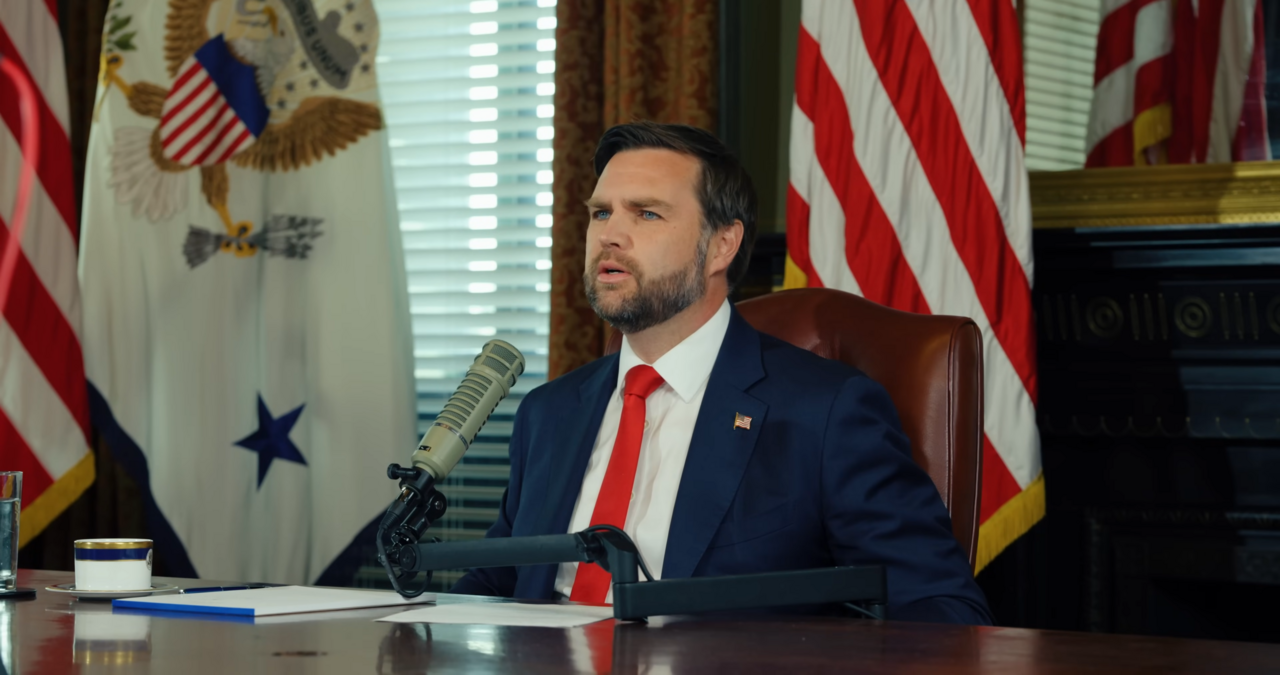
That's the message from the US Vice President, in an exclusive interview with Reuters, published a few hours ago. He gave it in Fairbanks, Alaska, where he'd been campaigning for Dan Sullivan, a Republican senator in a tight re-election fight.
So what exactly does Vance want? He put a number on it. Iran holds uranium enriched to 60 per cent. That's a level with almost no civilian use.
Vance says quote "don't build highly enriched fuel, that's a very basic threshold issue."
So that's the US Vice President saying the stockpile itself is the problem. Not what Iran might do with it one day. The uranium sitting there right now.
How long has this war even been running? Seven months, by most counts. One report this week said eight. Either way, it's gone on far longer than anyone expected.
And it's expensive. $3 billion a month, for the United States alone. It's also become a real issue on the campaign trail, with the midterms a month away.
Here's the twist. Talks are already happening. The US and Iran have been swapping proposals for weeks, trying to end the war and reopen the Strait of Hormuz — the narrow strip of water that carries a huge share of the world's oil.
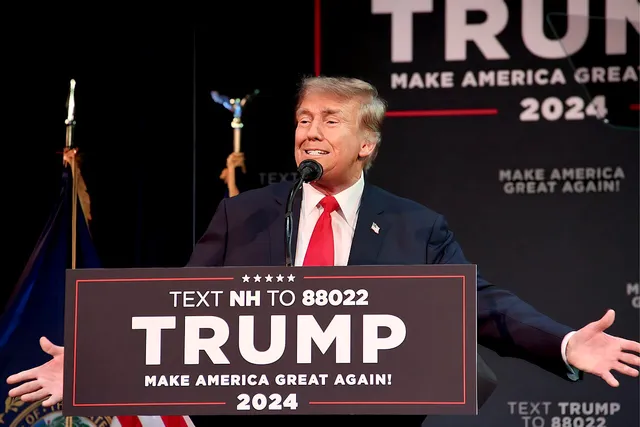
But Donald Trump already turned down Iran's latest offer. And he's warned that military operations could get heavier once the midterms are done.
So talks on one side. The threat of more fighting on the other. Both running at the same time.
The rest of this story is for members.
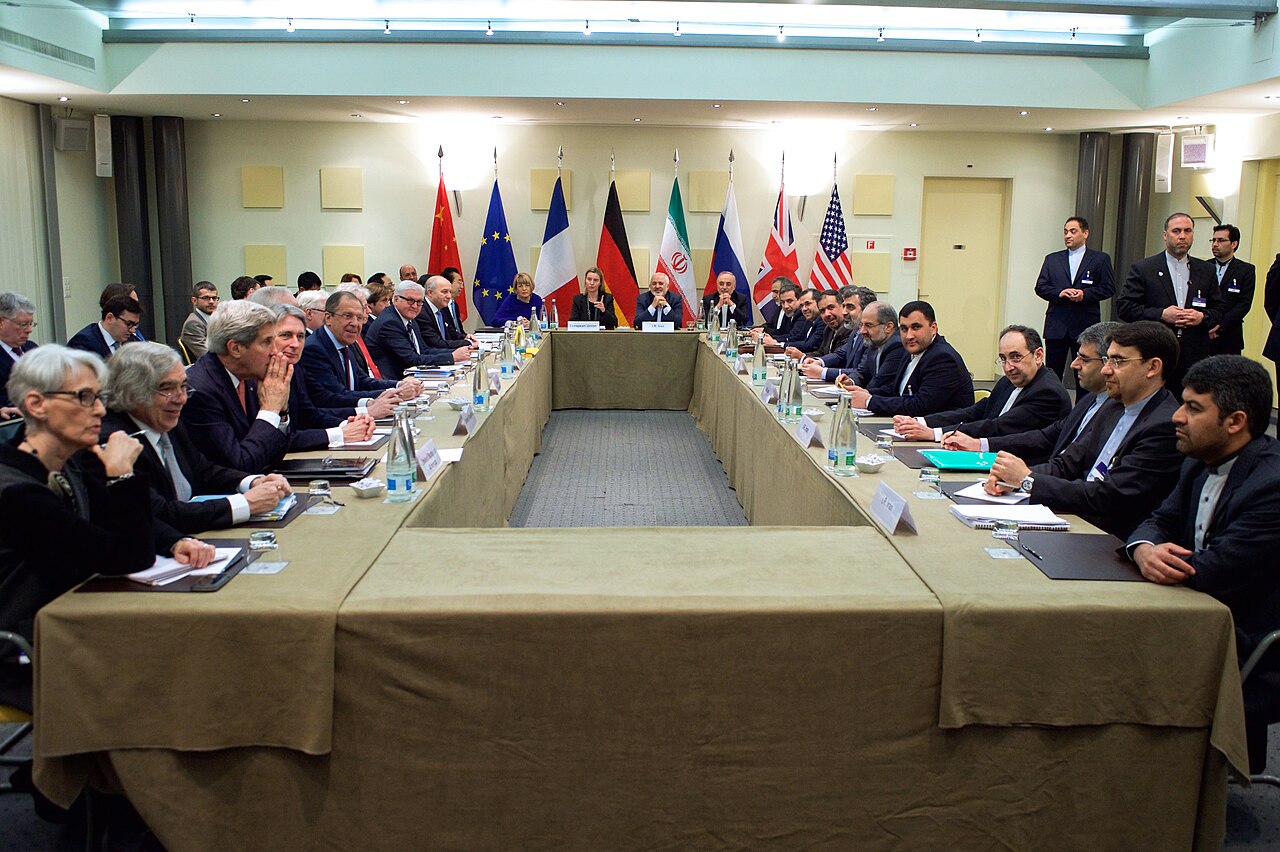
Foreign ministers and other officials from the P5+1 countries, the European Union and Iran meet for negotiations on the Iranian nuclear program in Lausanne, Switzerland on 30 March. File photo. United States Department of State · Public domain
Vance raised a second problem too. Who's actually in charge in Iran?
He said the US is talking to Iran's President, Masoud Pezeshkian, and its Foreign Minister, Abbas Araghchi. But he said it isn't clear how much real power either man has. That question follows the joint US-Israeli strikes at the start of the war, which killed Iran's Supreme Leader, Ayatollah Ali Khamenei.
Vance says their country's decision-making isn't totally clear to the US.
Donald Trump said almost the same thing this week. He called it his "biggest problem" — nobody knows who's running Iran.
Iran's Foreign Ministry isn't having it. Esmaeil Baghaei, the ministry's spokesperson, says American officials know exactly who their Iranian counterparts are, and exactly how Iran makes decisions. He says the real problem is contradictory positions and mixed messaging coming out of Washington.
So Iran is turning the confusion argument straight back on the United States.
Vance also played down any worry that the US military is running low on key weapons for this war. He said Iranian forces can still hit commercial ships in the Strait of Hormuz now and then. But he said they can't actually stop energy exports moving through it. He said he's held direct talks with field commanders to understand how the war is really going.
Is Iran going to meet this 60 per cent threshold? Nobody knows yet. Tehran hasn't responded to Vance's specific comments. Washington hasn't said what level it would actually accept, or by when.
And when Vance was asked if the US wants actions, not just words, he didn't soften it.
One more thing. Vance is widely seen as a likely Republican candidate for president in 2028. He told Reuters he hasn't decided whether to run. He called himself "inherently a procrastinator."
For now, the war goes on. The talks go on. And Iran still hasn't said whether it will give up the stockpile the US says is the whole problem.
Nothing here was paid for by an advertiser. Members are the entire business model. Bronze is where it starts, and it opens the last seven days in full.