Estonia just moved its army to the Russian border and armed it to strike deep inside
1 hour ago · 5 October 2026Share
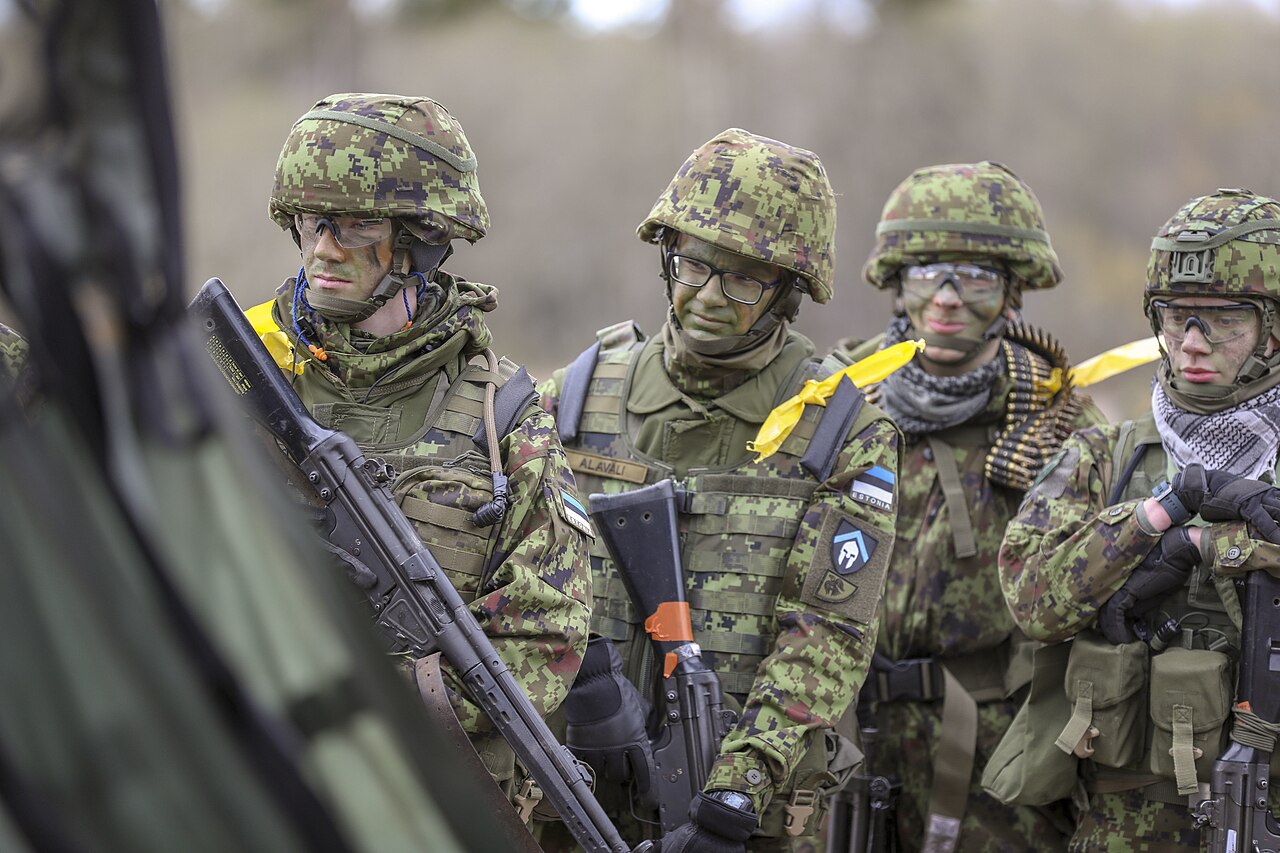
Estonian Defence League soldiers listen to a briefing on cold load operations during training in Nurmsi, Estonia, May 4, 2021. File photo. U.S. Army USArmyEURAF by Spc. Christian Cote · Public domain
Estonia is moving its main combat brigade right up to the Russian border.
And it's arming that brigade with missiles that can hit targets 300 kilometres inside Russia.
Colonel Tarmo Kundla commands the 1st Infantry Brigade. That's Estonia's main fighting force.
His troops are relocating from Tapa, which sits 130 kilometres from the border, to Jõhvi, just 50 kilometres away. New buildings are going up at Jõhvi right now to house them.
Kundla says quote "We have to start from the border and win from the first battles".
So that's Estonia's own brigade commander saying the plan is to fight at the border. Not fall back from it.
This isn't a one-off move. Estonia built active defence into its national defence policy back in May. Ever since, it's been quietly reorganising its whole military around that idea.
And the weapons are changing too. Over the past year, Estonia signed contracts for nine US-made HIMARS rocket systems. Those include M57 missiles with a range of up to 300 kilometres.
Estonia is also getting nine South Korean Chunmoo rocket systems. Same range. About 300 kilometres.
Here's why that number matters. A senior Estonian officer based in Tapa says St Petersburg sits just 260 kilometres from Estonia's border.
So these missiles reach well past Russia's second city.
This is a brigade moving closer to Russia, and getting the weapons to strike deep inside it, at the same time.
Estonia is building a second base too, in Narva, right on the border. Room for 1,000 troops. 200 of them stationed there permanently, and space for 800 more if things get bad.
Narva matters because of who lives there. Estonia's military and intelligence leaders don't think Russia is planning a full-scale war with NATO in the next two years.
The rest of this story is for members.
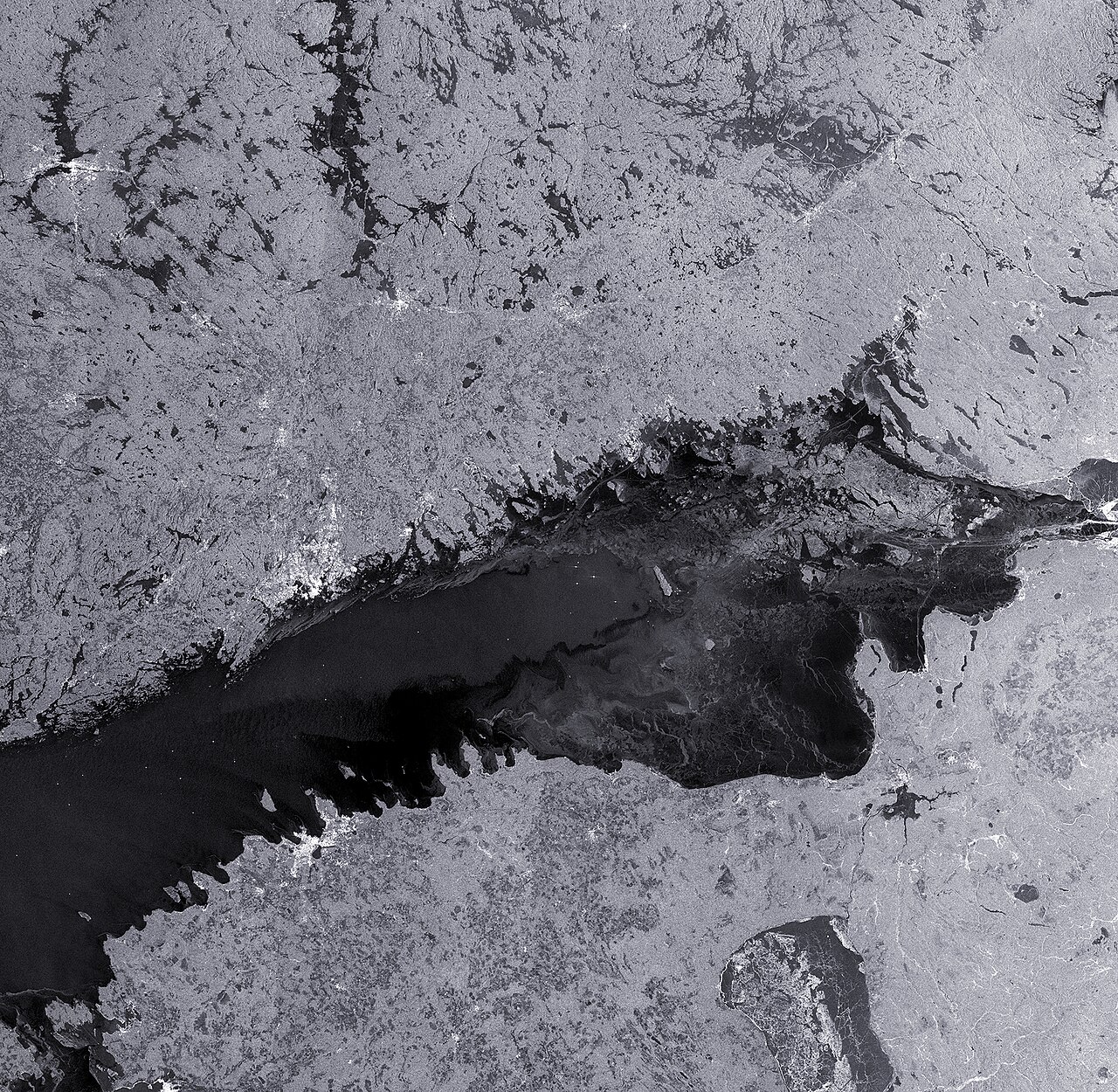
Contains modified Copernicus Sentinel-1B satellite data showing the Gulf of Finland with Estonia along the bottom and Russia to the right.European Space Agency · CC BY-SA 3.0 igo
But they do think Russia might try a smaller move near Narva, a mostly Russian-speaking city, just to test whether NATO actually defends every inch of its territory.
A senior Estonian military intelligence official put it bluntly.
They say quote "Deterrence isn't working".
They add that the critical period for resolving this for the Baltic states will be the next one to four years.
So that's Estonian intelligence saying the danger window is now. Not some distant future.
Estonia is paying for all this. Defence spending is rising 42% this year, to €2.4 billion. That's 5.4% of GDP. Most NATO members spend nowhere near that share.
Estonia is small. 1.3 million people. A territory of 45,000 square kilometres. It has no air force of its own, and relies on NATO jets to protect its skies.
But it's built a huge reserve to make up for its size. Up to 230,000 people are trained reservists. Only 4,200 are in permanent active service. 39,500 high-readiness reservists have to report within hours of being called up. Another 40,000 trained reservists can be mobilised after that.
Allies are building up too. The UK is raising its troop numbers in Estonia from 800 to 1,200 by next April. British forces brought Nyan attack drones, with a range of around 300 kilometres, to this year's Spring Storm exercise in Estonia.
Neither NATO nor Russia has commented on any of this.
And a few things are still unclear. How many of the nine HIMARS systems have actually arrived. When the move to Jõhvi will be finished.
Estonia also changed defence ministers three weeks ago. Martin Herem took over after Hanno Pevkur resigned over a procurement scandal. It isn't clear which minister's office is behind every part of this build-up.
But the shape of the plan is clear enough. Move the main brigade to the border. Arm it to strike deep into Russia. Build a second base at the one city Russia might test first.
Estonia's own intelligence service says the next one to four years will decide whether any of it was necessary.
Nothing here was paid for by an advertiser. Members are the entire business model. Bronze is where it starts, and it opens the last seven days in full.