Britain just asked Interpol to block Argentina's Falklands arrest requests
1 hour ago · 16 October 2026Share
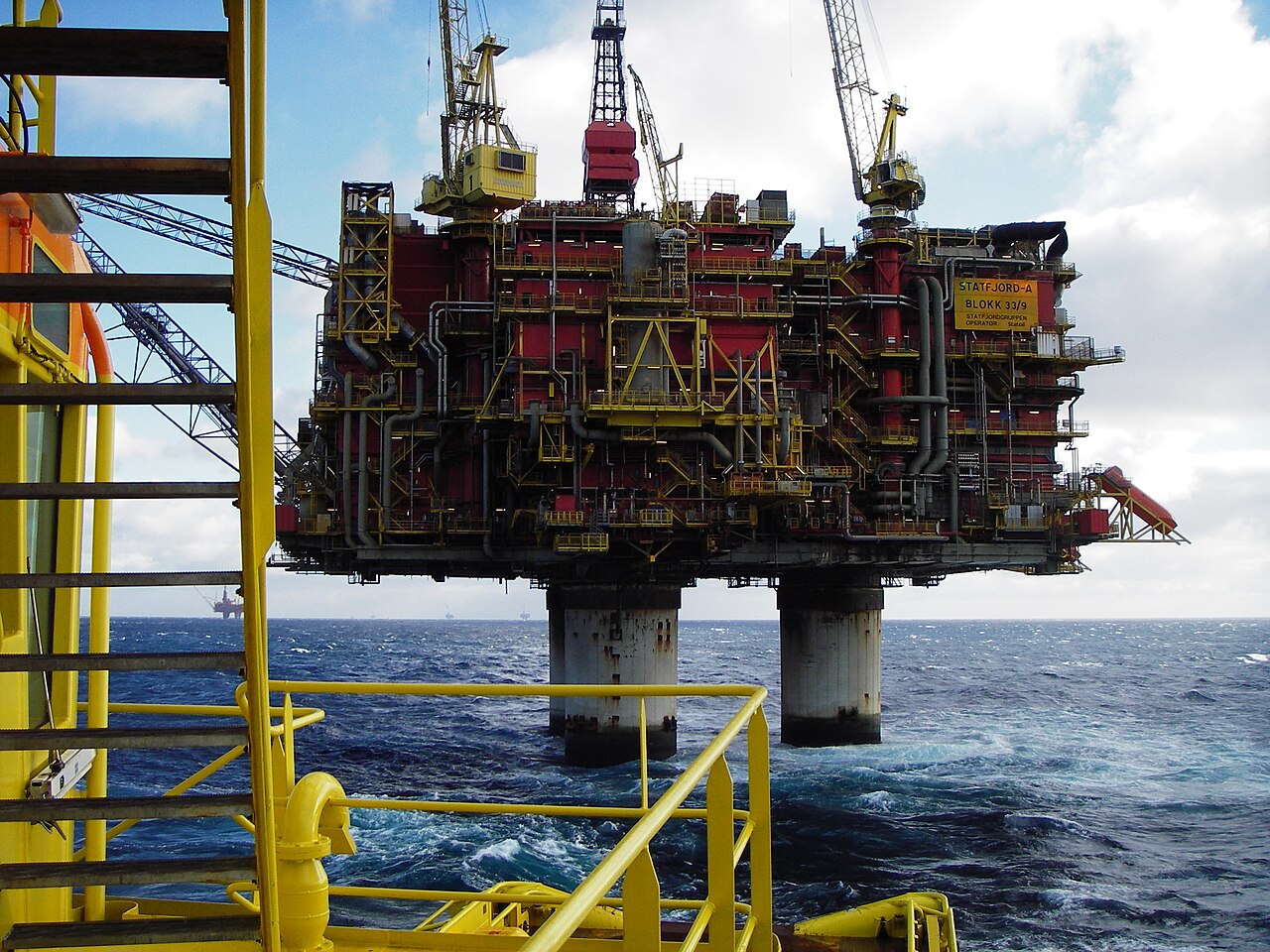
Norwegian oil rig Statfjord A. File photo. Marcusroos 08:32, 27 September 2007 (UTC) · CC BY-SA 3.0
Britain just asked Interpol to throw out Argentina's arrest requests.
They're linked to a British oil project near the Falkland Islands.
So here's what happened. The UK sent a formal letter to Interpol's headquarters in Lyon, France, a few days ago. It asks Interpol to reject what are called red notices. Argentina filed them against people, including British nationals, tied to the Sea Lion oil project.
Now, a red notice isn't an international arrest warrant. It just asks police worldwide to find someone and hold them for extradition. Every country decides for itself whether to actually act on one.
And Interpol has already answered. It told the UK it will stick to Article 3 of its own constitution. That article bans Interpol from doing anything political.
So Interpol is signalling, before this even gets going, that it sees the politics in it.
Now, why does any of this matter? The Sea Lion oilfield sits about 220 kilometres north of the Falkland Islands. It holds an estimated 1.7 billion barrels of oil. A British company, Rockhopper Exploration, and an Israeli company, Navitas Petroleum, hold the licences to drill it.
Argentina's President, Javier Milei, has vowed to block the whole thing. He's called it the illegal plundering of Argentina's resources. On 28 September he gave Britain two weeks to halt drilling or face legal action. That deadline ran out on 12 October.
Argentina didn't wait long after that.
The very next day, it asked the International Tribunal for the Law of the Sea, in Hamburg, for a binding order to force Britain to stop drilling at Sea Lion. It's also launched criminal proceedings against Navitas and Rockhopper directly.
So Argentina is fighting this on two fronts at once. A tribunal case to freeze the drilling. And a criminal case against the people running it.
The rest of this story is for members.
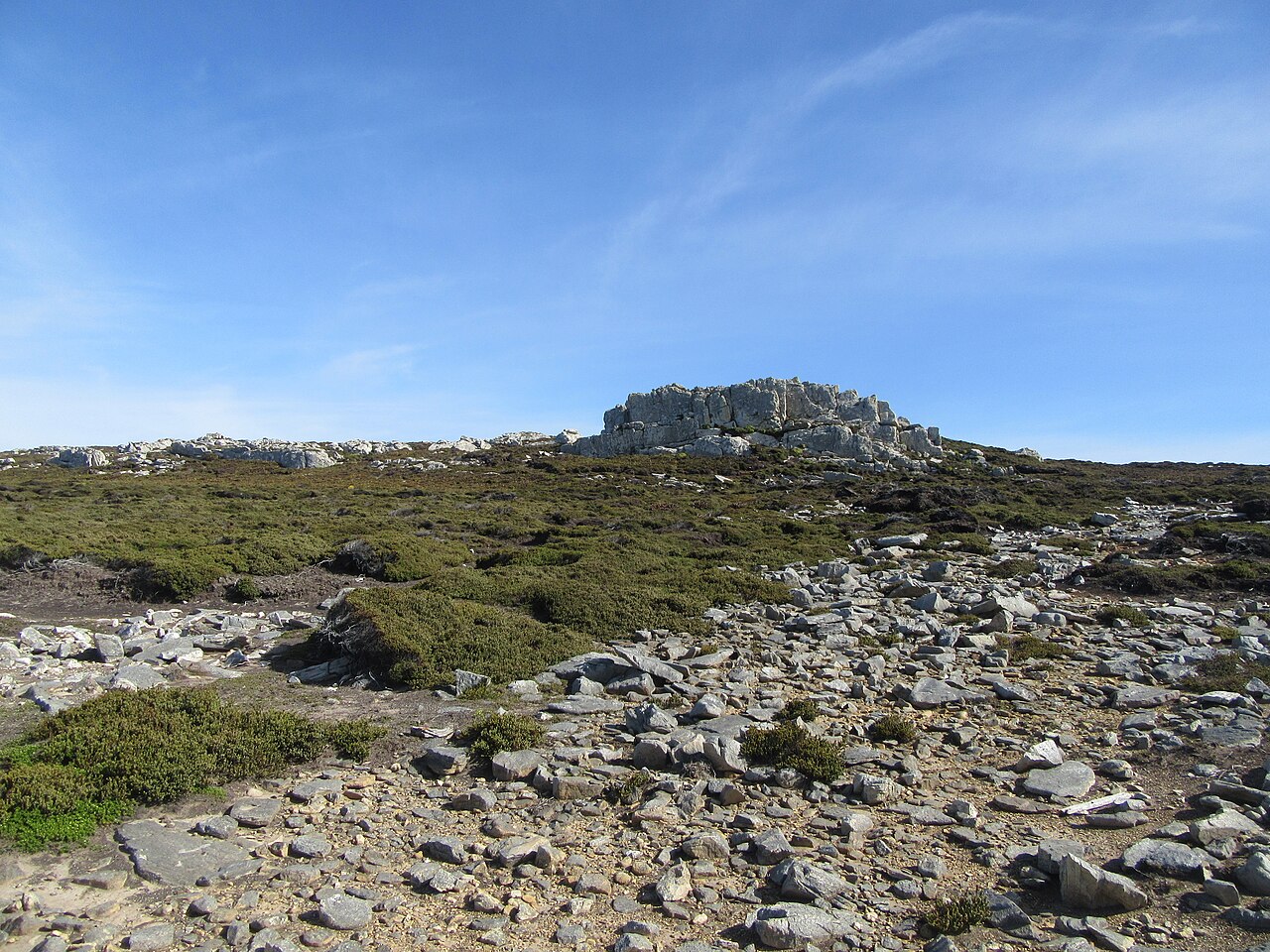
Rocky coastline of the Falkland Islands. File photo. amanderson2 · CC BY 2.0
Andy Burnham, the UK Prime Minister, told Parliament this week that he raised the issue directly with Donald Trump, the US President. He said he told Trump about the clear and declared will of the islanders to remain British.
And that will has been tested before. In a 2013 referendum, 99.8% of Falkland Islanders voted to stay a British overseas territory.
Uma Kumaran, a Foreign Office minister, told the House of Commons that Britain will take part in the ITLOS process. But she says the Sea Lion licences are lawful. Britain is also said to be preparing measures under its Protection of Trading Interests legislation, aiming to have them ready before the end of the year, to shield British companies and people from Argentine action.
Andrea Clausen, chief executive of the Falkland Islands government, says quote "one would hope that Interpol wouldn't necessarily take action".
Ed Miliband, the UK Foreign Secretary, says Britain's companies should be free to make lawful commercial decisions without the threat of political coercion.
So that's Britain's case in one line. This is a lawful business, operating under licence. And Argentina is using arrest warrants to scare it off.
Argentina sees it completely differently. Its government says the project breaks UN resolutions on the sovereignty dispute. It says Britain is unilaterally changing the situation on the ground. And there's a draft sovereignty law sitting in Argentina's Congress that would go even further. It would extend sanctions to the companies' financial backers, their shareholders, their suppliers, and possibly the Falklands' fishing industry too.
No Argentine official has responded yet to Britain's Interpol letter specifically.
UK officials call this the most serious dispute over the islands' sovereignty since 1982. That war lasted 74 days. It killed 649 Argentine troops, 255 British troops, and three islanders.
Here's what we still don't know. How many people Argentina has actually named in its red notice requests. Whether any notice has even been formally circulated to other countries. And whether ITLOS will decide it has the power to hear this case at all, or grant Argentina's request to freeze the drilling while it decides.
Interpol has promised to stay out of politics. Whether it can stay out of this one is still an open question.
Nothing here was paid for by an advertiser. Members are the entire business model. Bronze is where it starts, and it opens the last seven days in full.