Why this mattersSo what changed?
Ten days ago, Trump said more strikes were quite unlikely. He called the war effectively over. He said the military stayed locked and loaded if that changed. Marco Rubio, the US Secretary of State, said economic pressure on Iran was already working.
Then the meetings started.
Roman Gofman, Mossad's director, flew to Washington to meet CIA Director John Ratcliffe. Then he met US envoy Steve Witkoff in Miami. Shlomi Binder, who runs Israeli military intelligence, has been pushing US officials to strike again. And two days ago, Admiral Brad Cooper, who runs US Central Command, sat down with Israel's military chief Eyal Zamir and Gofman in Tel Aviv.
The ships moved too.
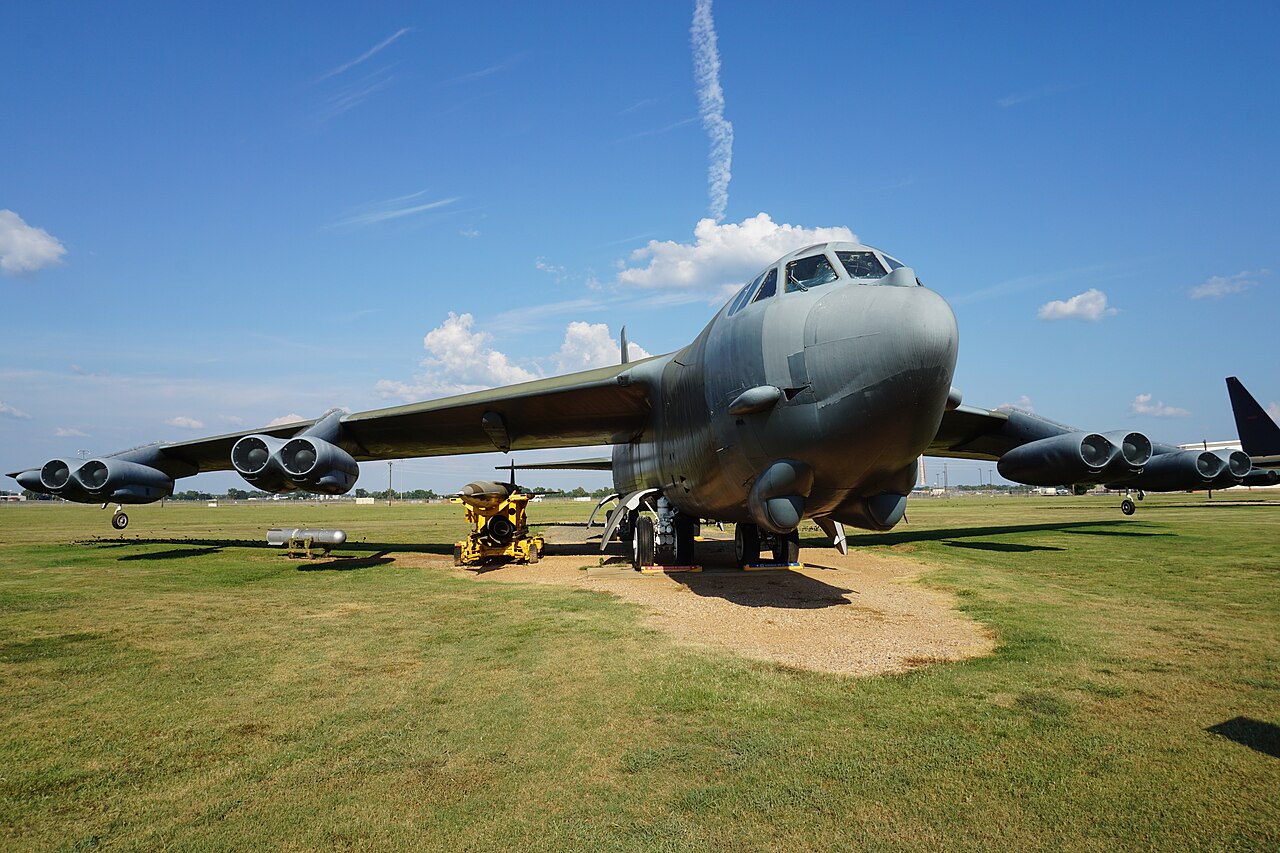
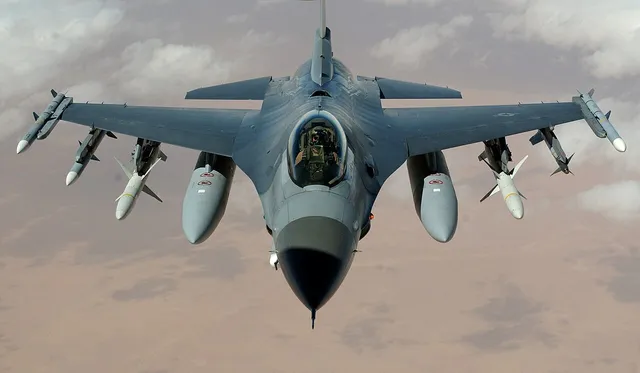
The USS Theodore Roosevelt reached the Middle East three days ago. For a moment, America had three aircraft carriers in the region at once. The USS George Washington has since left for the Pacific. So now there are two, the Theodore Roosevelt and the George H.W. Bush. Long-range B-1 and B-2 bombers are sitting on 96-hour notice.
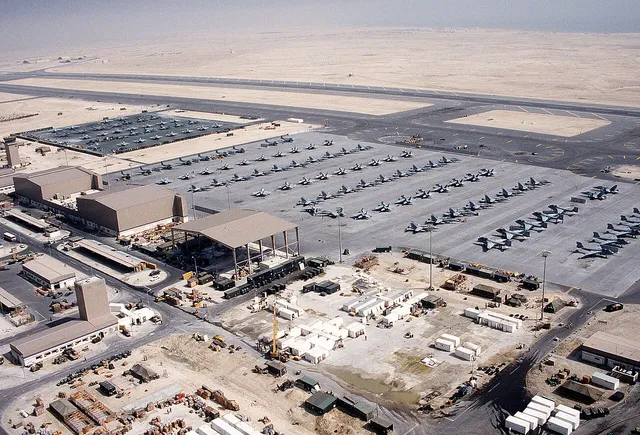
This war started on 28 February, when the US and Israel launched a joint attack on Iran's nuclear programme. Since then, Iran has hit the US base at Ali Al Salem in Kuwait at least 30 times, wrecking or damaging at least 15 aircraft hangars and ten buildings, according to an AP analysis.
About two weeks ago, after the US midterm elections, Trump came under pressure to go diplomatic instead. Iran has given Qatar seven conditions to end the war, according to Mohammad Bagher Ghalibaf, Iran's parliamentary speaker. Lift the naval blockade. Lift sanctions. Release frozen funds. Stop fighting everywhere. Declare the war over.
But Iran isn't backing down either.
Kazem Gharibabadi, Iran's deputy foreign minister, says quote "will not wait for the US to attack first". Iran's army chief, Major General Amir Hatami, says Iran is watching every American move, and warns any US misstep gets an even harder response back. Abbas Araghchi, Iran's Foreign Minister, says Iran will not give up its sovereign rights despite the pressure and the threats.
And here's the thing. Not everyone in Washington agrees with Netanyahu.
Axios reports splits inside the Trump administration. Some officials think the Israeli intelligence behind this push is driven by an agenda. A White House official told Reuters that Trump sees economic pressure as damaging enough on its own, that big combat operations probably aren't needed.
Gulf states, Pakistan and Turkey are all calling Washington, trying to stop a full war coming back.
Right now, Trump is in Shenzhen, China, at a trilateral summit with Xi Jinping and Vladimir Putin, on the sidelines of APEC.
So what don't we know? Whether Trump actually orders new strikes. When. How big it would be. And exactly which clashes pushed Western officials to raise the alarm.