Russia just stalked the satellite that feeds Ukraine its war images
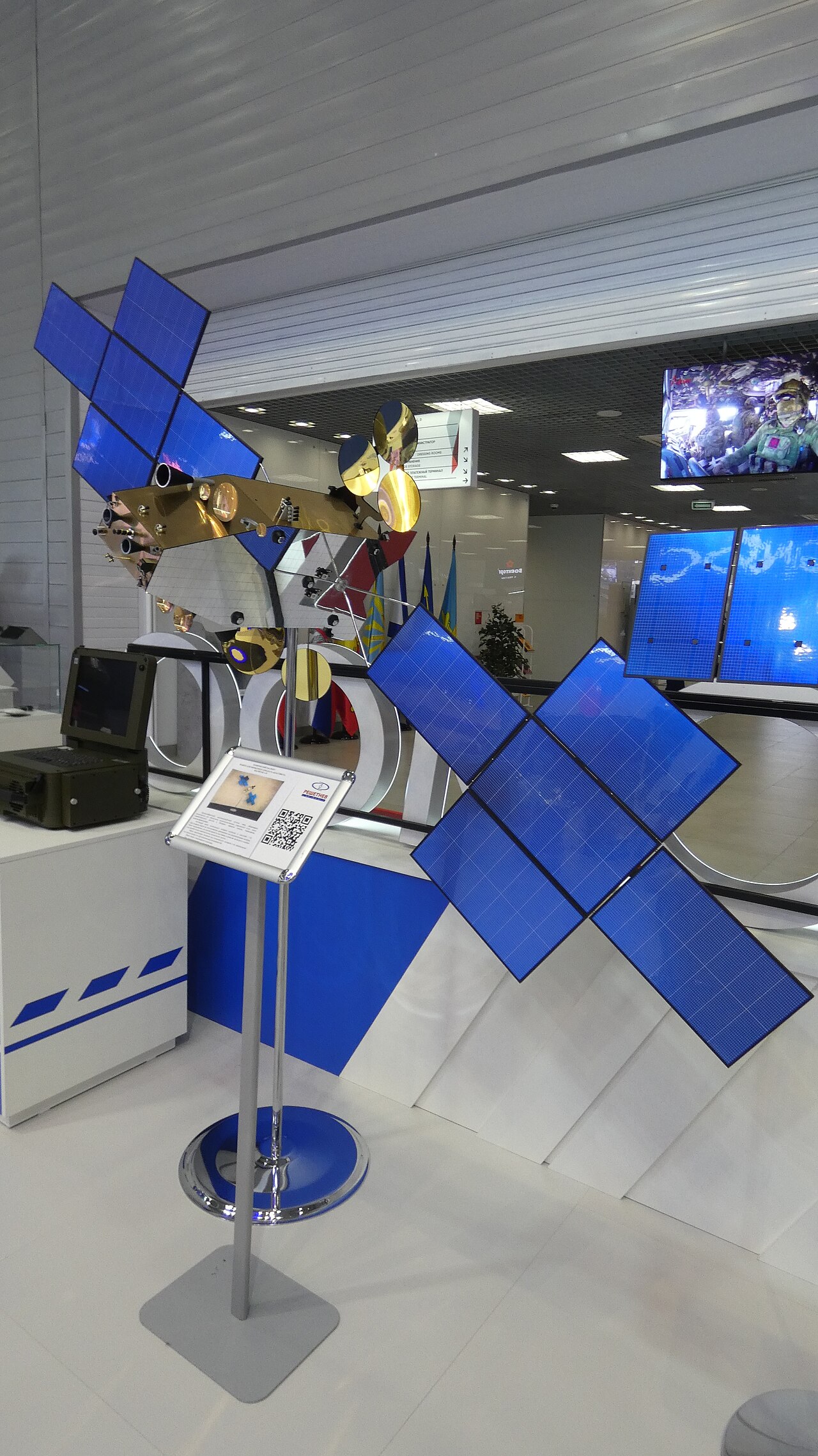
A Russian military satellite has spent three weeks closing in on a commercial satellite that feeds radar images to Ukraine.
And trackers are calling it a first.
The Russian satellite is called Cosmos 2612. The one it's been closing in on is called ICEYE-X36. It's a radar satellite, registered in the United States, run by ICEYE, a Finnish-American company.
Here's why that matters. ICEYE has been supplying radar images to Ukraine since 2022. Since January this year, it's had a formal deal with Ukraine's Defence Ministry giving Ukraine's military even wider access to those images.
So what actually happened? Over the past few days, Cosmos 2612 closed the gap from more than 320 kilometres down to about 4.8 kilometres. That's according to tracking data reported by the Russian outlet Meduza, citing Axios and the tracking firm LeoLabs.
But how close did it actually get after that? Nobody agrees.
A Dutch satellite tracker, Marco Langbroek, put it at one to two kilometres. A Telegram channel run by Georgy Trishkin put the distance at 26 metres. LeoLabs data, cited by the outlet Breaking Defence, put the closest approach at around 500 metres. And Mark Hilborne, a senior lecturer in defence studies at King's College London, said some reports put it under 30 metres.
So there's no single confirmed number. The exact distance is not known.
But everyone agrees on one thing. It was unusually close.
Jonathan McDowell, an astrophysicist, says this looks like the first time in low orbit that two working satellites have passed this close without one operator agreeing to it. And Mark Hilborne says it's the first time a country has done this to a commercial satellite without its consent.
And this isn't a one-off.
Cosmos 2612 is one of six satellites Russia launched in April this year, numbered Cosmos 2609 through to 2614. Several of them already came close to ICEYE-X36 back in May. Cosmos 2609 got within about 2.5 kilometres on 26 May.
ICEYE's chief executive, Rafal Modrzewski, told Reuters that ICEYE moved its own satellite after that earlier approach. And here's the twist. That didn't end it. More Russian manoeuvres followed instead.
Then, starting three weeks ago, Cosmos 2612 ran a fresh set of manoeuvres over about two weeks. That brought it back into the same orbital plane as ICEYE-X36. And that's what built up to this latest close pass.
Comments
None yetAlready a member? Log in.