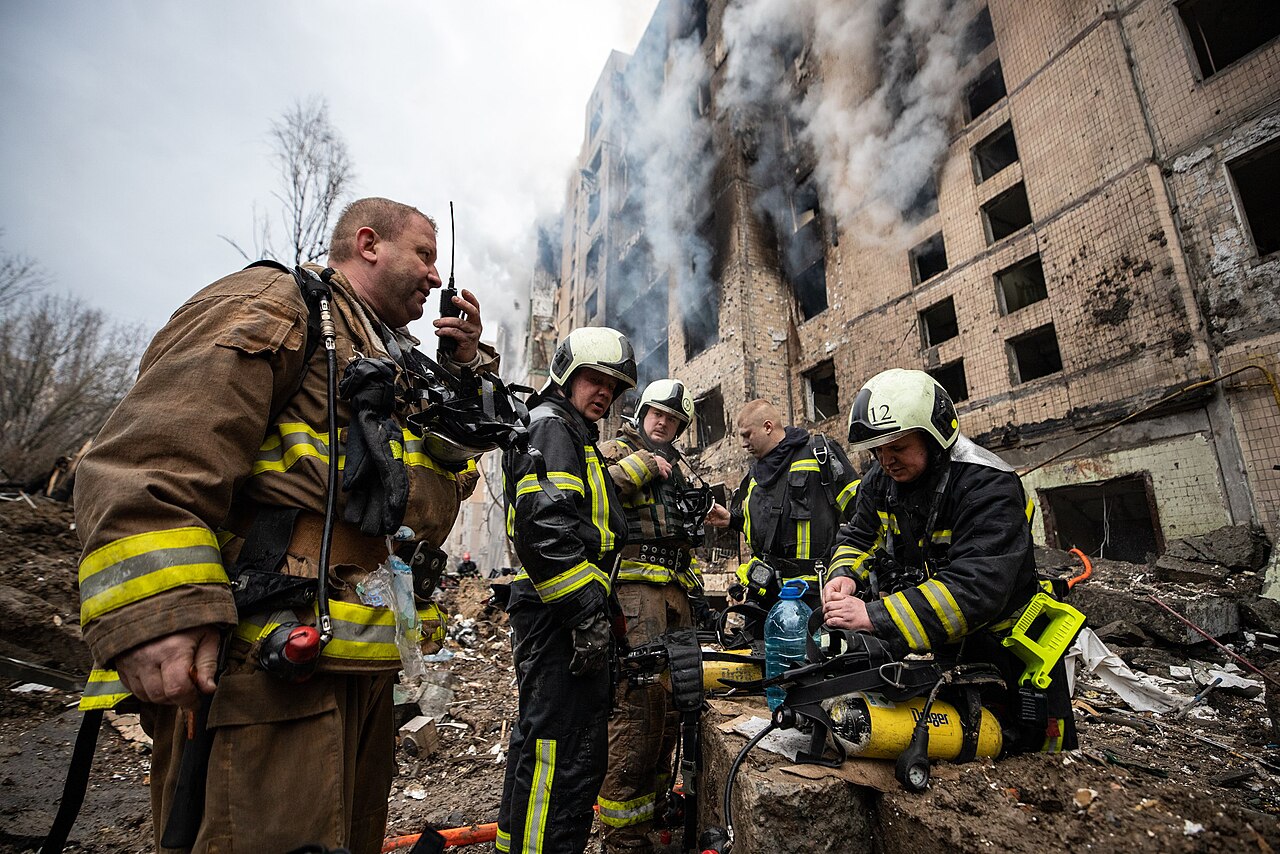
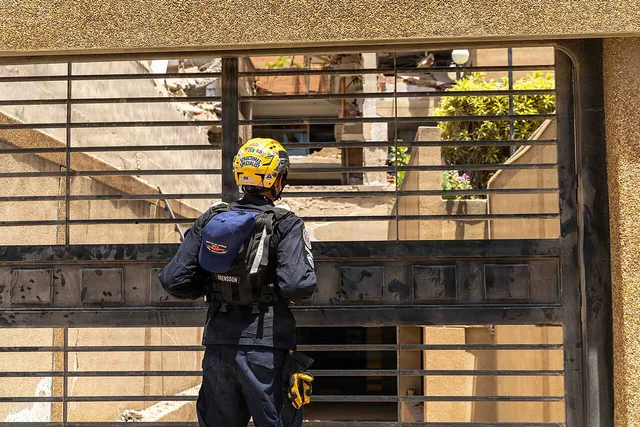
A medical building got damaged in the Desnianskyi district. In Solomianskyi, missile debris hit the first floor of a 25-storey block of flats, and a fire broke out in a medical facility on the third floor. A metro station on the left bank, Chernihivska, got damaged too — debris tore through the running rail and the power rail.
That's everything we know.
Why this mattersSo here's the question nobody's answering. Why did Kyiv get hit with no warning, again?
A journalist with RFE/RL's Ukrainian service, Alex Raufoglu, says that's exactly what happened. His sources told him, quote "no early warning about the ballistic attack on Kyiv just now".
Again. That word is doing a lot of work.
Marco Rubio, the US Secretary of State, was asked about it directly. He said he does not know exactly what happened overnight. He said he knows there was a software problem a few nights earlier involving Ukraine's early-warning system, and that US European Command had been looking into it.
So America's own top diplomat doesn't know what happened overnight. He knows there was a software problem a few nights before. He doesn't say if it's fixed.
And this sits inside a much bigger fight over intelligence sharing. Volodymyr Zelensky, Ukraine's President, said on NBC's Meet the Press, a day before this strike, that intelligence sharing between Washington and Kyiv had restarted after being blocked for a while. The Kyiv Post reports that the Washington Post said four days before that American intelligence officials had warned Ukraine it could lose that intelligence sharing entirely if Ukrainian forces kept hitting Russian oil refineries. We could not open that Washington Post report ourselves.
Now the backdrop. Donald Trump, the US President, announced a Russia-Ukraine energy ceasefire over a week ago. No details were given. Zelensky says Russia kept bombing Ukraine's energy sites the whole time while Ukraine held back, and told the Financial Times he was done with it. On X, he said Russia had hit Ukraine's energy, oil and gas sites 76 times in the week after Trump's announcement.
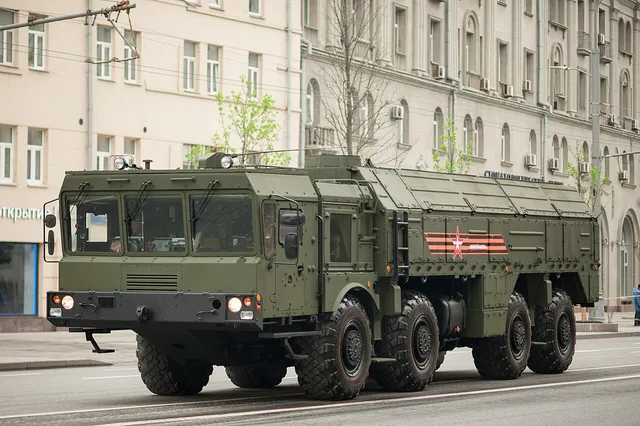
So line it up. Washington reportedly threatening to cut intelligence sharing over Ukraine's strikes on Russia. Then a Russian ballistic missile gets through to Kyiv with no warning at all.
Rubio's answer doesn't close that gap. A software problem explains a glitch. It doesn't say whether Ukraine was warned this time, or why not.
What we don't know: whether the missing warning was a technical fault, a decision, or something else. The exact targets Russia was aiming for. And the real death toll — different Ukrainian authorities are still giving different numbers.
For Kyiv, the story is simple. A missile got through again, with no warning, during a ceasefire only one side is keeping. Whether it happens again is the part nobody in Washington or Kyiv has answered.