Lebanon just sent its army to Florida to negotiate disarming Hezbollah
1 hour ago · 19 October 2026Share
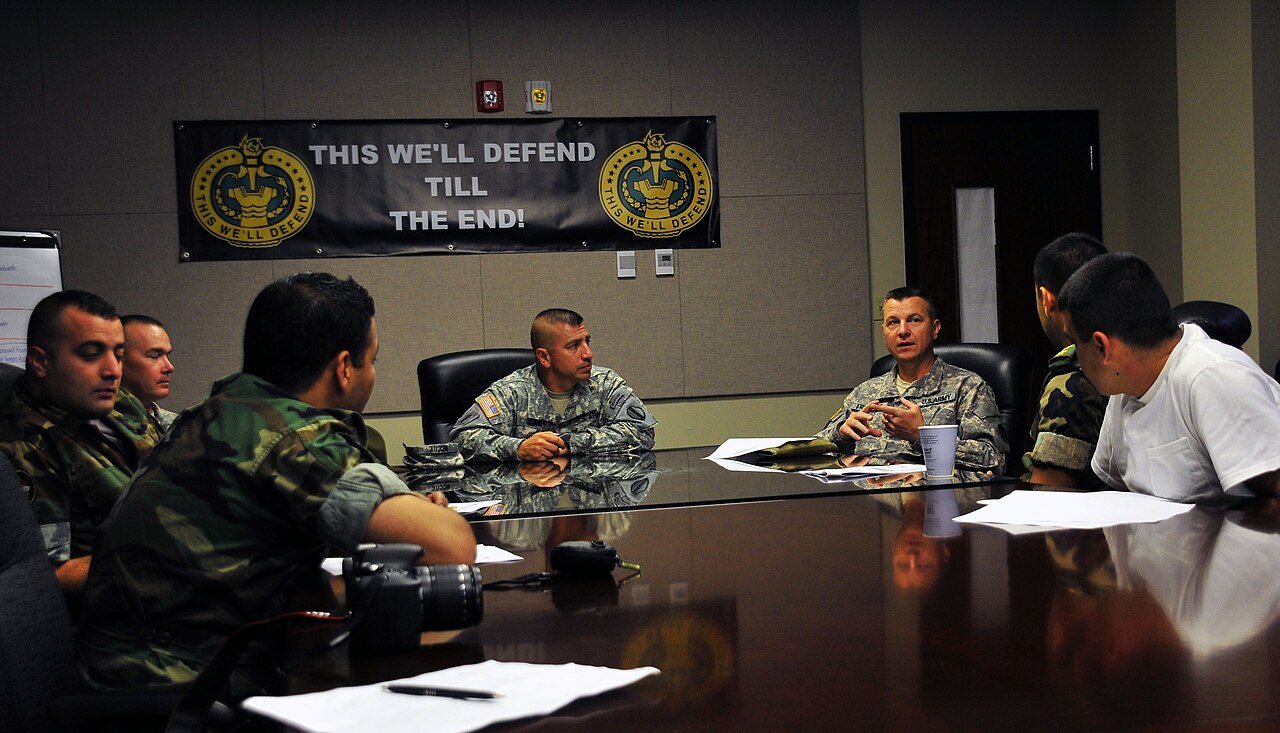
Noncommissioned officers from the Lebanese army receive a briefing at the U.S. Drill Sergeant School during an NCO information exchange. File photo. Sgt. 1st Class Tony Spain · Public domain
Lebanon and Israel are sending military officers to Tampa, Florida.
This is the first direct military-level talks between the two countries in months.
The meetings run from 20 to 22 October, at the US military's CENTCOM headquarters. American officers are sitting in the middle, as go-betweens.
So why now? The Lebanese Presidency announced the trip two days before the talks began. It said the delegation would go to put forward Lebanon's demands for halting Israeli escalation, in hopes of achieving results consistent with the framework agreement.
That framework is four months old. Lebanon and Israel agreed it in Washington in June. Here's the trade at the heart of it: Israel pulls out of southern Lebanon in stages. But only as Hezbollah's weapons get verified as removed, and its military infrastructure torn down. In return, the Lebanese army deploys to take over security in the south.
It hasn't happened yet. Implementation has stalled for months. The next round of US-mediated talks was delayed all the way until now.
So what's the one question that actually matters in Tampa? Who checks that Hezbollah has really disarmed. Verification is the word every side keeps using. And so far, nobody has agreed who does it, or how.
Lebanon isn't just showing up to talk about weapons, either. Its delegation plans to raise a list of Israeli actions in what are called the pilot zones of southern Lebanon. Attacks across the border. Troops moving in. And a Lebanese civilian who was killed.
A person familiar with the talks has told a Saudi broadcaster that the discussions are confined to military and security matters. No political negotiations are planned.
So this isn't a peace summit. It's narrower than that. But here's the thing. It's still the first time since the new war began that military officers from both countries are sitting down together over how the deal actually gets done.
The rest of this story is for members.
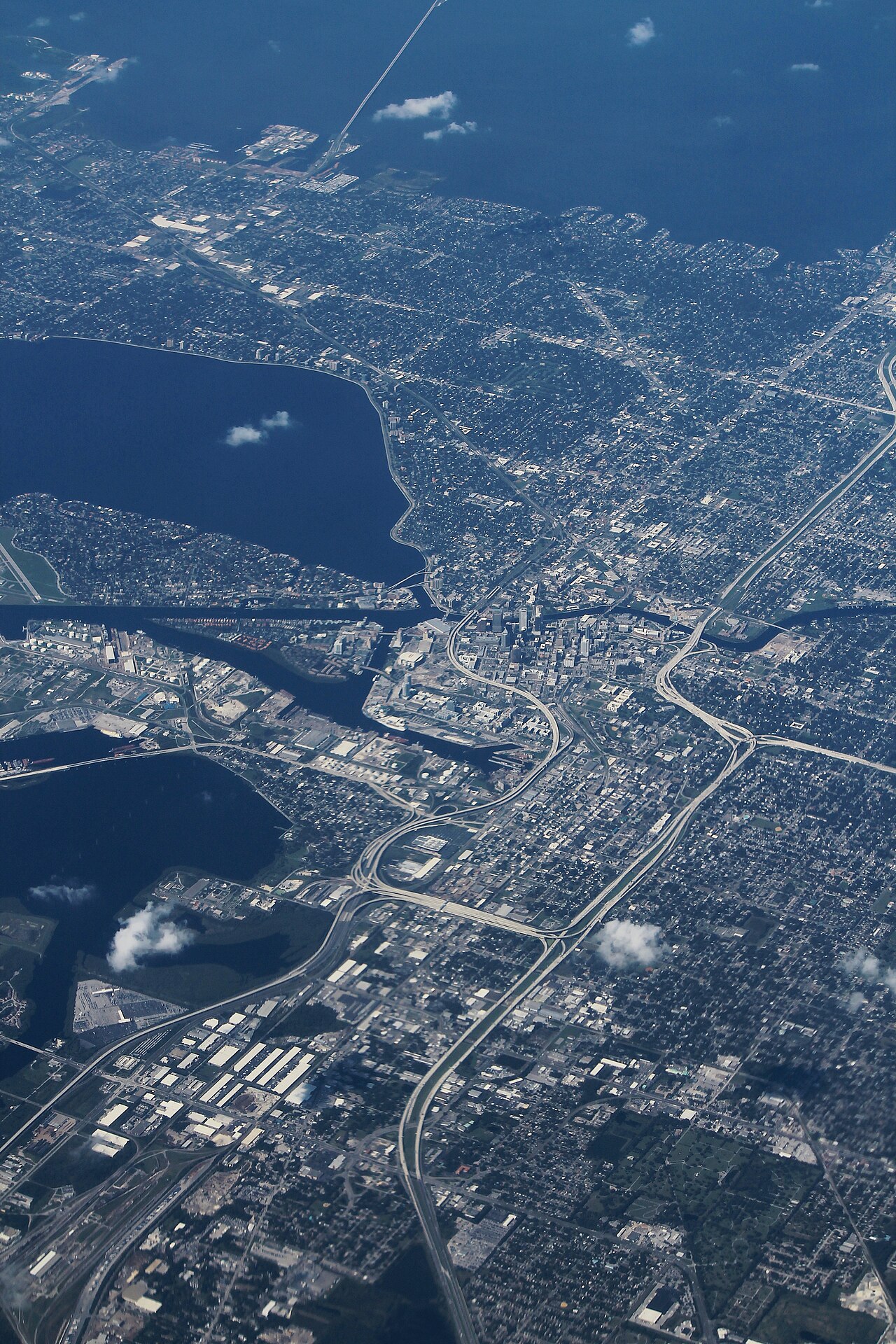
Aerial photo of Tampa, Florida facing west. formulanone · CC BY-SA 2.0
That war started on 2 March this year, when fighting between Israel and Hezbollah flared up again. Since then, Lebanon's government, led by President Joseph Aoun and Prime Minister Nawaf Salam, has taken legal steps to restrict Hezbollah's power. It has approved plans to disarm the group. That's a real shift from the position Beirut held for years.
Hezbollah hasn't moved an inch. The group says it will not disarm while Israeli forces stay on Lebanese soil.
And Israel hasn't stopped either. It has kept hitting southern Lebanon through every month the framework has been in place.
Each side blames the other for the stalemate. Lebanese officials say the Israeli strikes make it harder for Beirut to carry out the disarmament it has promised. Israel's position is that the Lebanese army isn't ready to fully take over security in the south. That's why its forces are still there.
And the ground situation isn't standing still. The Israeli military says its 810th Brigade recently found a Hezbollah explosive device, ready to detonate, along with a Hezbollah position and other weapons, near Kfarchouba in southern Lebanon. Separately, media close to Hezbollah has quoted people saying the group is rebuilding quickly on both sides of the Litani River. That has not been independently confirmed.
What does Beirut actually want out of Tampa? According to one regional outlet, a ceasefire commitment from Israeli Prime Minister Benjamin Netanyahu, and an expanded verification arrangement that lets the Lebanese army move into the pilot area. Neither government has confirmed that.
Lebanon is also working out, separately, what replaces the UN peacekeeping force in the south. Joseph Aoun met France's Foreign Minister, Jean-Noël Barrot, in Beirut two days ago to talk about an international presence there before the UN mandate ends this year. Aoun said Lebanon wants that mandate extended, but would welcome any arrangement that keeps an international presence and avoids putting the Lebanese army in direct contact with Israel's army. That meeting is separate. It isn't part of the Tampa agenda.
What Tampa won't settle is already clear. Nobody expects a political deal out of a military-only meeting.
What's still not known: whether the two sides can agree on a verification mechanism at all. Whether Netanyahu will commit to a ceasefire. How long any of this would actually take to carry out.
For now, both armies are sending officers to Florida, to talk about disarming a group that says it won't disarm, while the strikes that group points to as its reason keep happening.
Nothing here was paid for by an advertiser. Members are the entire business model. Bronze is where it starts, and it opens the last seven days in full.